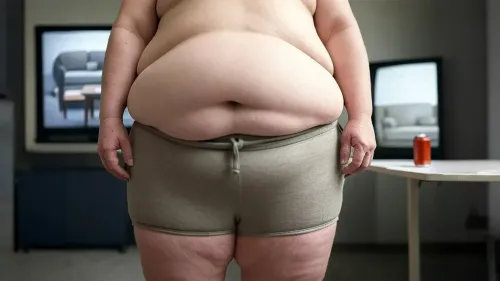
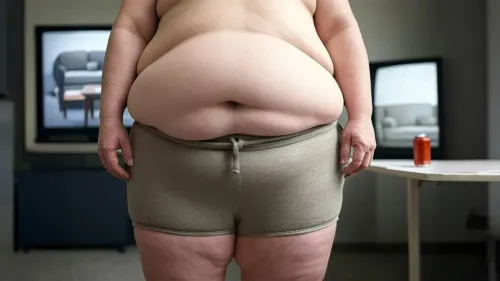
Abdominal Fat: A Greater Threat than General Obesity in India, Says Dr. Jitendra Singh

Synopsis
In a recent address, Dr. Jitendra Singh highlighted the alarming health risks associated with central obesity in India, stressing its prevalence even among those who appear healthy. This insight comes alongside the launch of a new cardiology textbook aimed at tackling obesity and related disorders.
Key Takeaways
Central obesity poses a higher health risk than general obesity.
Visceral fat can affect individuals who appear lean.
It is linked to various metabolic disorders.
Early detection and intervention are essential.
Healthy lifestyle choices can mitigate these risks.
New Delhi, March 29 (NationPress) Central obesity, or abdominal fat, represents a more significant health threat than general obesity, particularly in India, where even those who appear slim may possess dangerous visceral fat, stated Minister of State Dr. Jitendra Singh on Sunday.
During the launch of a cardiology textbook titled “Advances in Obesity and Lipid Management in CVD,” the minister emphasized that fat accumulation around the waist can greatly elevate the risk of severe health issues, even in individuals who do not look overweight.
“Central obesity serves as an independent risk factor that can trigger various metabolic diseases, including diabetes, high blood pressure, heart conditions, fatty liver, and lipid imbalances,” he remarked.
Dr. Singh pointed out that this issue is particularly pressing for Indians due to a unique body composition, where fat tends to settle around the abdomen, even among those who appear lean.
He noted that while there is an increase in overall obesity rates among both genders, abdominal fat is disproportionately prevalent and significantly contributes to cardiometabolic risks.
The minister stressed the importance of early identification and specialized interventions to mitigate this concealed health threat.
Highlighting lifestyle changes, he noted that unhealthy eating habits, decreased physical activity, and disrupted daily routines are leading to a surge in metabolic disorders, such as type-2 diabetes and early cardiovascular issues among younger demographics.
Dr. Singh also warned against extreme or unscientific fitness methods, mentioning that excessive exercise without adequate preparation or recovery can be detrimental to health.
He underscored the necessity of balanced living, sufficient sleep, and scientifically-informed preventive healthcare.
The book, curated by esteemed cardiologist H.K. Chopra, features insights from over 300 specialists from both India and abroad.
It delves into advanced strategies for managing obesity and lipid disorders, incorporating new treatment modalities and the application of digital tools and artificial intelligence in healthcare.
Dr. Singh noted that this publication is timely, given India’s escalating obesity crisis and related health issues.
He also referenced Prime Minister Narendra Modi's calls for increased public awareness and healthier lifestyle choices, advocating for a reduction in the consumption of unhealthy foods.
Point of View
I find Dr. Jitendra Singh's remarks on central obesity both enlightening and alarming. The focus on abdominal fat as a hidden health risk is crucial, especially considering the unique body composition of the Indian population. It calls for immediate action in public health strategies.
NationPress
9 Oct 2026
Frequently Asked Questions
What is central obesity?
Central obesity refers to the accumulation of fat around the abdomen, which poses significant health risks, including metabolic disorders.
Why is abdominal fat more dangerous than overall obesity?
Abdominal fat, or visceral fat, is linked to higher risks of serious health issues like diabetes, hypertension, and cardiovascular diseases, even in those who appear slim.
What lifestyle changes can reduce abdominal obesity?
Improving dietary habits, increasing physical activity, and maintaining a balanced daily routine can help mitigate the risks associated with abdominal obesity.
What does the new cardiology textbook cover?
The textbook focuses on advanced strategies for managing obesity and lipid disorders, including new therapies and digital healthcare tools.
Why is this information important for India?
India faces a growing obesity crisis, making it crucial to address the specific risks associated with central obesity for the overall health of the population.