China stem cell therapy reverses heart failure in 90% of patients
Synopsis
Nanjing Drum Tower Hospital reports that 90% of severe heart failure patients showed significant cardiac recovery at 12 months after iPSC-derived stem cell injections — a result that could challenge heart transplants as the only curative option.
Key Takeaways
Nanjing Drum Tower Hospital , affiliated with Nanjing University , published phase 2 results in Nature Medicine on 20 August 2026 .
90 per cent of severe heart failure patients showed significantly improved cardiac function at a 12-month follow-up after receiving iPSC-derived heart muscle cell injections.
The therapy uses induced pluripotent stem cells (iPSCs) reprogrammed into cardiomyocytes to regenerate damaged heart muscle tissue.
Heart transplant remains the only existing cure for severe heart failure, but donor organ scarcity makes it inaccessible to most patients globally.
The study's efficacy rate exceeds outcomes reported in comparable earlier-phase cardiac cell therapy trials internationally.
Progression to a larger phase 3 trial and potential NMPA regulatory review are the critical next milestones to watch.
Nanjing Drum Tower Hospital, affiliated with Nanjing University, has reported a landmark breakthrough in cardiac medicine: a reprogrammed stem cell therapy restored significant heart function in 90 per cent of severe heart failure patients at a 12-month follow-up, according to a phase 2 clinical study published in the journal Nature Medicine on Wednesday, 20 August 2026. The results mark one of the most promising advances in cell-based cardiac regeneration to date.
How the therapy works
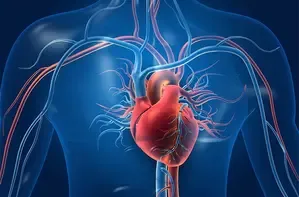
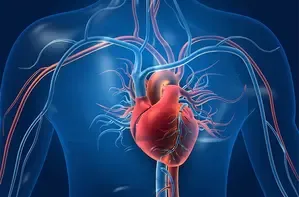
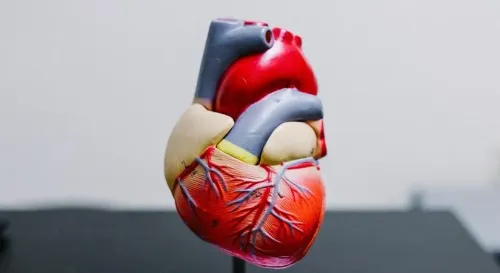
The treatment uses heart muscle cells derived from induced pluripotent stem cells (iPSCs) — reprogrammed adult cells that can be coaxed into becoming specialised tissue. Researchers injected these iPSC-derived cardiac cells directly into failing hearts, enabling damaged or ageing heart muscle to regenerate functional tissue. Unlike conventional treatments, which manage symptoms rather than repair the underlying damage, this approach targets the root cause: the irreversible loss of cardiomyocytes. Dead heart muscle cannot naturally regrow, making the therapy's regenerative capacity particularly significant. The hospital's long-term follow-up data confirmed that nine out of ten treated patients showed significantly better cardiac function compared with the control group at the 12-month mark.Why it matters
Severe heart failure is a debilitating, often fatal condition. Patients may struggle to breathe after walking just a few steps, are unable to lie flat to sleep, and require frequent hospitalisation. The condition typically represents the end stage of multiple cardiac diseases, and the only curative option — a heart transplant — is severely limited by the global scarcity of donor organs. This iPSC-based approach could offer a scalable alternative, potentially bypassing the transplant waiting list for a significant subset of patients. The therapy's 90 per cent efficacy rate at one year is notably higher than outcomes typically reported in earlier-phase cardiac cell therapy trials.The competitive backdrop
China has been aggressively expanding its regenerative medicine pipeline, and this trial positions Nanjing University's affiliated hospital among the global frontrunners in cardiac cell therapy. Internationally, research groups in the United States, Japan, and Europe have pursued similar iPSC-based cardiac regeneration strategies, though none have yet reported comparable phase 2 efficacy figures in severe heart failure populations. Japan pioneered clinical iPSC cardiac cell sheets under researcher Yoshiki Sawa, but outcomes at scale have remained modest.What's next
The publication of phase 2 results in Nature Medicine is a critical milestone, but the path to regulatory approval and broad clinical use will require larger phase 3 trials. Key questions remain around long-term safety, immune compatibility, manufacturing scalability, and cost. Researchers and industry observers will be watching whether Nanjing Drum Tower Hospital and its partners move swiftly to initiate a phase 3 study, and whether Chinese regulators at the National Medical Products Administration (NMPA) fast-track review given the unmet clinical need. If phase 3 data holds, this therapy could fundamentally reshape how end-stage heart failure is managed globally.Point of View
Not definitive proof; the control group design, patient selection criteria, and blinding methodology will determine how robust this result truly is. What the study does confirm is that China's regenerative medicine sector has moved from early-stage iPSC research to credible clinical data faster than many Western analysts anticipated, leveraging both state funding and a large patient base. If phase 3 replicates even two-thirds of this efficacy, the global cardiac care market — and the heart transplant ecosystem — faces a structural disruption that neither device makers nor transplant centres are currently pricing in.
NationPress
5 Oct 2026
Frequently Asked Questions
What did the China stem cell heart failure trial find?
The trial found that 90 per cent of severe heart failure patients who received injections of iPSC-derived heart muscle cells showed significantly improved cardiac function at the 12-month follow-up, compared with a control group. The phase 2 results were published in Nature Medicine on 20 August 2026 by researchers at Nanjing Drum Tower Hospital .
What are induced pluripotent stem cells (iPSCs) and how are they used in heart treatment?
Induced pluripotent stem cells (iPSCs) are adult cells that have been genetically reprogrammed back to a stem-cell-like state, allowing them to be directed to become specialised cell types — in this case, heart muscle cells (cardiomyocytes). Researchers at Nanjing University 's affiliated hospital injected these iPSC-derived cardiomyocytes into failing hearts to regenerate muscle tissue that the body cannot repair on its own.
Why is this stem cell therapy significant for heart failure patients?
Heart failure represents the end stage of multiple cardiac diseases, and the only existing cure — a heart transplant — is severely limited by a global shortage of donor organs. A scalable cell therapy achieving a 90 per cent recovery rate at one year could offer a viable alternative to transplantation for a large population of patients who currently have no curative options.
When will this stem cell heart therapy be available to patients?
The therapy is not yet approved for general clinical use. The publication of phase 2 data in Nature Medicine is a necessary precursor to larger phase 3 trials, which must demonstrate safety and efficacy at scale before any regulatory body — including China's National Medical Products Administration (NMPA) — can consider approval. No timeline for phase 3 initiation has been publicly announced.
How does China's iPSC heart therapy compare with international efforts?
Researchers in Japan , the United States , and Europe have pursued iPSC-based cardiac regeneration, but none have yet reported comparable phase 2 efficacy data in severe heart failure. Japan conducted early clinical work using iPSC-derived cardiac cell sheets, though outcomes at scale remained modest. The Nanjing Drum Tower Hospital results, if replicated in phase 3, would place China at the forefront of this global race.