Can the Human Heart Regenerate Muscle Cells After a Heart Attack?
Synopsis
In a revolutionary study, Australian scientists unveil that the human heart can regenerate muscle cells post-heart attack. This discovery paves the way for potential breakthroughs in heart failure treatments, marking a significant milestone in cardiac research.
Key Takeaways
Human heart can regenerate muscle cells after a heart attack.
Study conducted by Australian researchers.
Reveals hope for innovative heart failure treatments .
Highlights the heart's ability to produce new cells.
New therapies could enhance regeneration.
New Delhi, Jan 20 (NationPress) In a groundbreaking revelation, researchers in Australia have discovered that the human heart possesses the ability to regenerate muscle cells following a heart attack, igniting hopes for innovative regenerative therapies for heart failure.
The research, published in Circulation Research, indicated that while certain heart regions remain scarred after an attack, they also generate new muscle cells. This remarkable phenomenon was previously observed only in mice and is now confirmed in humans for the first time, according to Xinhua.
“Historically, we believed that once heart cells perish after a heart attack, those heart regions were permanently harmed, compromising the heart's capability to circulate blood to the body's organs,” stated Robert Hume, a research fellow at the University of Sydney and the primary author of the study.
“Our aspiration is to create therapies that can enhance the heart's inherent ability to generate new cells and restore itself following an attack,” added Hume, who also leads translational research at the Baird Institute for Applied Heart and Lung Research.
While increased mitosis (the process of cell division) after a heart attack has been noted in murine heart muscles, this is the inaugural instance of such a phenomenon being verified in humans.
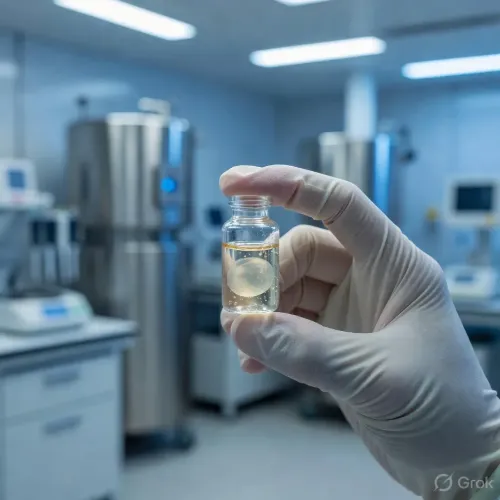
The team achieved this milestone by utilizing live heart tissue samples obtained from patients undergoing bypass surgery at Australia’s Royal Prince Alfred Hospital.
“The ultimate goal is to leverage this discovery to generate new heart cells that can potentially reverse heart failure,” said Professor Sean Lal, the study's lead author and a cardiologist specialized in heart failure at the Royal Prince Alfred Hospital.
Cardiovascular disease continues to be the leading cause of mortality worldwide, with heart attacks capable of destroying one-third of the cells in the human heart. Researchers emphasize that this groundbreaking discovery lays promising groundwork for novel advancements in regenerative medicine.
Point of View
It's vital to highlight how such advancements not only bring hope to patients but also open new avenues for medical research and treatment methodologies, aligning with our commitment to national health and wellbeing.
NationPress
19 Sept 2026
Frequently Asked Questions
What did the study reveal about the human heart?
The study revealed that the human heart can regenerate muscle cells after a heart attack, a phenomenon previously only observed in mice.
Where was the research conducted?
The groundbreaking research was conducted in Australia, specifically at the University of Sydney and the Royal Prince Alfred Hospital.
What are the implications of this discovery?
This discovery offers hope for future regenerative treatments for heart failure, potentially reversing damage caused by heart attacks.