Could a Defense Pact with Turkey and Pakistan Burden Saudi Arabia?
Synopsis
As Saudi Arabia contemplates a defense pact with Turkey and Pakistan, analysts warn of potential new obligations and risks. This strategic move could shift the Kingdom’s security focus and affect regional stability, impacting investors' perceptions and the broader geopolitical landscape. Discover the implications of this potential agreement.
Key Takeaways
Saudi Arabia may face new responsibilities due to a defense pact.
The agreement could shift Saudi security focus away from the Gulf .
Investors may view Turkey as a safer bet, complicating Saudi interests.
The pact introduces significant uncertainty into the regional landscape .
Turkey stands to gain legitimacy and market access through this agreement.
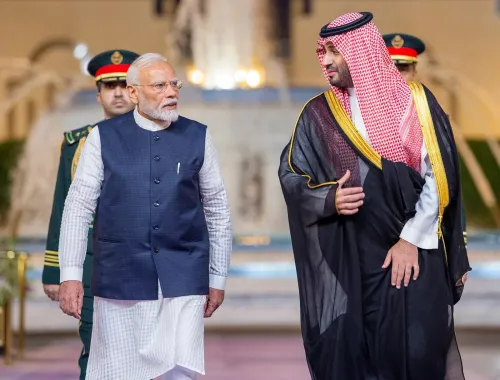
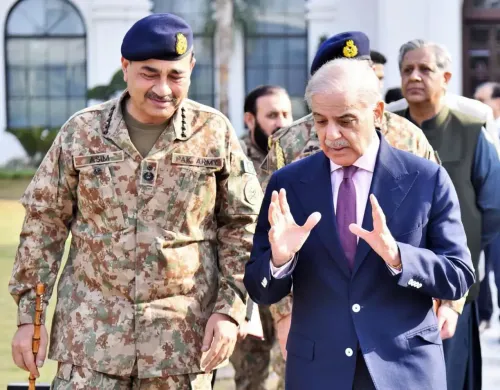
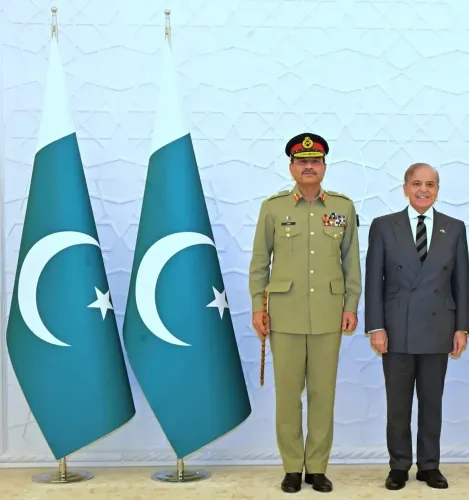
Riyadh, Jan 22 (NationPress) A potential defense agreement involving Turkey and Pakistan may place new responsibilities on Saudi Arabia, introducing challenges and risks previously absent, as reported.
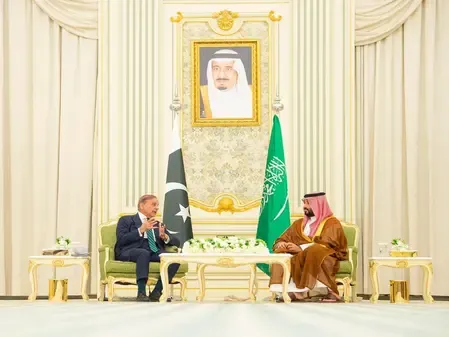
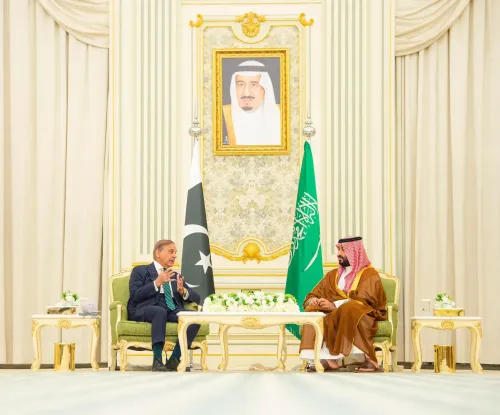
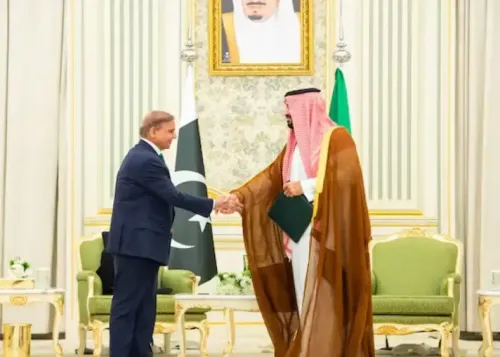
The Kingdom of Saudi Arabia (KSA) is reportedly considering a significant defense agreement with Turkey and Pakistan, which builds upon the Saudi-Pakistani mutual defense agreement (SDMA) established in September 2025, as noted by Shay Gal, a strategic analyst with expertise in international security, foreign policy, and geopolitical crisis management, in the Eurasian Times.
“Saudi Arabia’s Vision 2030 cannot be delegated. The entire initiative hinges on one critical aspect: predictability,” Gal stated.
“Yet, a defense pact with Turkey and Pakistan, potentially entangled in their own crises and conflicts, creates the opposite effect. It injects uncertainty and risk, which markets tend to avoid. To investors, a treaty represents not protection but rather a contingent liability,” he elaborated.
This trilateral arrangement could shift Saudi Arabia's security focus away from the Gulf, placing it under the unpredictable influence of non-Gulf nations.
“Ankara and Islamabad gain significant leverage and greater flexibility. Conversely, Riyadh finds itself bearing new responsibilities and facing increased risks that did not exist previously,” the report highlighted.
The article in the Eurasian Times emphasized that if Riyadh diminishes its Gulf-centric security framework while elevating Turkey's role, investors may begin to regard Turkey's routes as the safer option. Thus, Saudi Arabia risks two losses: it impedes the corridor intended to position the Kingdom as a regional hub, while simultaneously bolstering Turkey’s strategic importance.
“A defense agreement with Turkey and Pakistan would reclassify Saudi Arabia as a risk factor rather than a security asset. It would tether the Kingdom to commitments beyond its control, while others capitalize on stability without relinquishing their autonomy,” the author argued.
Once security arrangements are formalized, ongoing support will become an anticipated norm.
“Renewals, extensions of deposits, and delayed oil provisions will become increasingly difficult to refuse—not through coercion, but through reputational pressure. Saudi credibility would become intertwined with Pakistan’s capabilities, which in turn would depend on Saudi financial resources.
Turkey stands to gain significantly as well. An official security role in the Gulf would grant Ankara genuine legitimacy in the region, expand its market for the flourishing defense sector, and provide direct access to Gulf military forces,” it concluded.
Point of View
The proposed defense pact between Saudi Arabia, Turkey, and Pakistan warrants careful examination. While it may provide strategic alliances, the associated risks and obligations must be weighed. Saudi Arabia's commitment to regional stability and its Vision 2030 initiative should remain a priority, ensuring that any agreements do not compromise its national interests and security.
NationPress
10 Sept 2026
Frequently Asked Questions
What are the potential risks of the defense pact?
The defense pact could impose new obligations on Saudi Arabia, potentially destabilizing its security focus and introducing uncertainties that investors may find unappealing.
How might this affect Saudi Arabia's regional standing?
By elevating Turkey's role in its security framework, Saudi Arabia could inadvertently diminish its influence in the Gulf, impacting its position as a regional hub.
What is the significance of the mutual defense agreement with Pakistan?
The mutual defense agreement signed in 2025 serves as a foundation for potential increased military collaboration and strategic alignment between Saudi Arabia and Pakistan.
Could this agreement impact investor confidence?
Yes, if the defense pact introduces perceived risks, it could affect investor confidence in Saudi Arabia’s stability and security as a market.
What are the implications for Turkey's role in the Gulf?
A formal security role would enhance Turkey's legitimacy in the Gulf region and expand its defense market opportunities.