Can Stem Cell Therapy Reduce Heart Failure After a Heart Attack?

Synopsis
Recent research reveals that patients with weakened heart function may benefit from stem cell therapy shortly after a heart attack, significantly reducing their likelihood of heart failure. This promising approach could redefine post-heart attack care and improve patient outcomes, making it a vital area of study in cardiovascular health.
Key Takeaways
Stem cell therapy may lower heart failure risks post-heart attack.
It involves intracoronary infusion of stem cells.
The clinical trial included 396 patients from three hospitals in Iran .
Results showed significant improvements in heart function after six months.
Further research is necessary to validate these findings.
New Delhi, Oct 30 (NationPress) A recent study indicates that patients experiencing weakened heart function who undergo stem cell therapy shortly after suffering a heart attack are at a lower risk of developing heart failure.
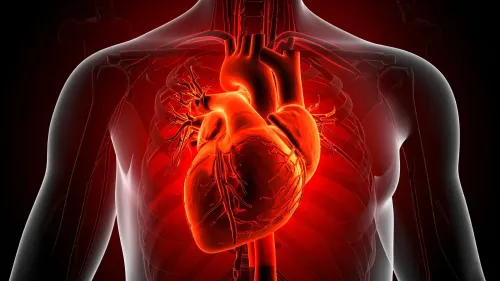
Heart failure can arise post-heart attack when the heart muscle sustains significant damage, diminishing its capacity to effectively pump blood.
This condition can manifest either as a sudden complication (acute heart failure) or as a long-term issue. Symptoms may include difficulty breathing, fatigue, swelling in the legs, and irregular heartbeat.
Published in the BMJ, the clinical trial suggests that stem cell therapy could serve as a beneficial supplementary treatment for this specific patient group after a heart attack, helping to avert subsequent heart failure and lower the risk of future adverse outcomes.
An international research team, including experts from Queen Mary University of London in the UK, aimed to evaluate the effects of directly administering stem cells into coronary arteries (known as intracoronary infusion) following a heart attack on heart failure development over a span of three years.
“The outcomes imply that this methodology could be a crucial adjunctive procedure post-myocardial infarction for preventing heart failure and mitigating future adverse events,” the research team stated.
The trial involved 396 participants (average age 57-59 years) without prior heart conditions from three teaching hospitals in Iran, all of whom had experienced their first heart attack (myocardial infarction).
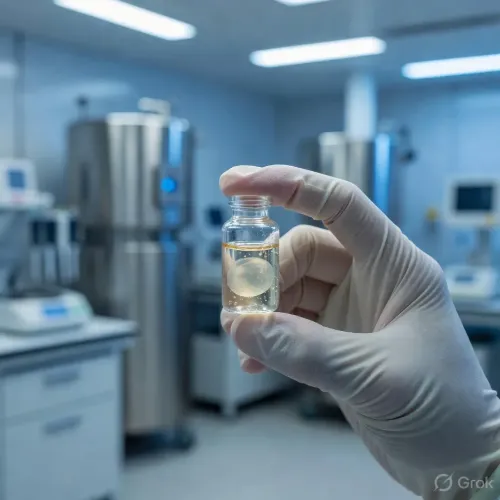
Of these, 136 individuals in the intervention group received an intracoronary infusion of allogenic Wharton's jelly-derived mesenchymal stem cells within 3-7 days post-heart attack, alongside standard care.
The remaining 260 participants in the control group received only standard care.
When compared to the control group, the intracoronary infusion of stem cells was linked to lower rates of heart failure (2.77 vs. 6.48 per 100 person years), reduced hospital readmissions for heart failure (0.92 vs. 4.20 per 100 person years), and a combined measure of cardiovascular death and readmissions for heart attack or heart failure (2.8 vs. 7.16 per 100 person years).
The intervention did not exhibit a statistically significant impact on hospital readmissions for heart attack or deaths resulting from cardiovascular diseases.
However, by the six-month mark, heart function within the intervention group showed a significantly greater improvement compared to the control group, emphasizing the necessity for further trials to validate these findings.
Point of View
I recognize the importance of innovative treatments in advancing healthcare. The findings of this study offer hope for patients recovering from heart attacks, and we must prioritize further research to explore the full potential of stem cell therapies in preventing heart failure.
NationPress
29 Sept 2026
Frequently Asked Questions
What is the primary benefit of stem cell therapy after a heart attack?
Stem cell therapy can significantly reduce the risk of heart failure in patients with weakened heart function following a heart attack.
How does stem cell therapy work in this context?
The therapy involves delivering stem cells directly into coronary arteries, which helps repair heart muscle damage and improve heart function.
What were the results of the clinical trial?
Patients receiving stem cell therapy showed lower rates of heart failure and fewer hospital readmissions compared to those who received standard care alone.
Are there any side effects associated with stem cell therapy?
The study did not report any significant side effects; however, ongoing research is needed to ensure its safety and efficacy.
What is the next step for this research?
Further clinical trials are necessary to confirm the findings and assess the long-term benefits of stem cell therapy in heart attack recovery.