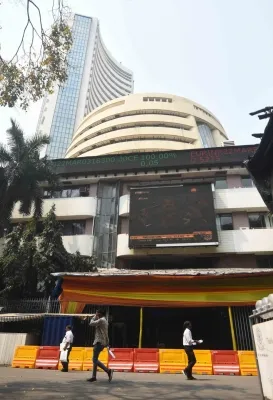
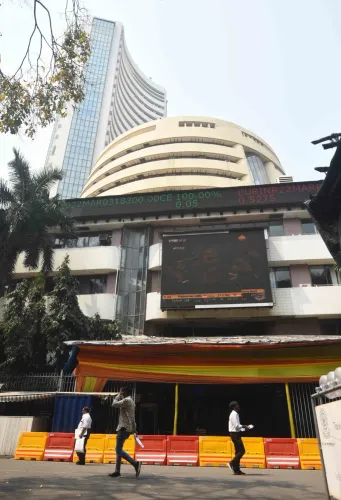
Will BSE Implement a Cap on Free Order Messages and Charge for Excess?

Synopsis
The Bombay Stock Exchange plans to cap free order messages at 10 crore daily for brokers starting January 1, 2026. Exceeding this limit will incur fees. This initiative aims to improve market efficiency and order management. Find out what's at stake and how this could affect your trading strategies.
Key Takeaways
10 crore order messages cap for brokers per day without charges.
Charges of Rs 0.0025 for each additional message beyond the limit.
Monitoring of all order types including additions, modifications, and deletions.
No charges during the first month of implementation.
Full operational rollout begins February 2026.
New Delhi, Dec 20 (NationPress) The Bombay Stock Exchange (BSE) has put forth a proposal to establish a daily cap on free order messages for brokers within the Equity Cash Segment. This initiative is designed to enhance order flow discipline and optimize operational efficiency throughout the marketplace.
As outlined in the report, brokers will be permitted to dispatch up to 10 crore order messages daily without incurring charges. Any messages exceeding this limit will attract fees, as specified in a circular from the exchange.
The BSE will monitor each broker's daily order message count and apply charges if the number surpasses the defined threshold.
The fee is set at Rs 0.0025 for each additional order message, translating to Rs 2.50 for every extra 10 lakh messages sent beyond the free limit.
For oversight, the BSE will account for all types of order messages submitted by brokers in the Equity Cash Segment, which includes order additions, modifications, and deletions. However, settlement auction orders will not be counted.
To ensure operational flexibility, the BSE has stated that the first instance of exceeding the daily limit within a calendar month will not incur charges. Subsequent breaches within the same month will result in fees.
Commencing January 1, 2026, the exchange will begin distributing daily order message data files to brokers, detailing the total number of order messages generated. From January 15, 2026, these files will also display applicable charges for any breaches of the threshold.
Fees for excess order messages will be aggregated daily and collected through the exchange's standard monthly billing process.
The proposed framework is set to take effect on January 1, 2026. Nonetheless, to facilitate a seamless transition, the BSE has clarified that no charges will apply during the initial month of rollout, covering January 1 to January 31, 2026.
Actual billing for excess order messages will initiate in February 2026 under the new charging structure. This initiative aims to foster a balanced approach to order flow management at the broker level and enhance the overall market ecosystem.
Point of View
The BSE's move to impose a cap on free order messages is a strategic initiative aimed at enhancing market efficiency. This decision reflects a growing trend towards operational discipline in financial markets, which ultimately serves the interests of all stakeholders involved. NationPress supports measures that foster a robust trading environment.
NationPress
30 Sept 2026
Frequently Asked Questions
What is the proposed cap on free order messages by BSE?
The BSE proposes a cap of 10 crore order messages per day for brokers, beyond which charges will apply.
When will the new framework take effect?
The new framework is scheduled to be implemented on January 1, 2026.
What are the charges for exceeding the daily limit?
The charge is set at Rs 0.0025 for each additional order message beyond the 10 crore limit.
Will there be any charges in the first month of implementation?
No, the BSE has stated that there will be no charges during the first month of implementation, from January 1 to January 31, 2026.
How will the BSE monitor order messages?
The BSE will track all types of order messages submitted by brokers in the Equity Cash Segment, excluding settlement auction orders.