South Korea Future Fund: AI chip boom windfall to fuel long-term growth
Synopsis
South Korea is turning its AI and chip-boom tax windfall into a permanent investment vehicle. By ring-fencing 'windfall revenue' — distinct from ordinary surplus — into a dedicated Future Fund, Seoul is borrowing sovereign wealth fund logic and betting that semiconductor supercycle gains can be converted into lasting structural growth. The governance details will determine whether this is a genuine fiscal innovation or a rebranded slush fund.
Key Takeaways
South Korea will launch the 'Future Fund' , announced on 21 August by the Ministry of Planning and Budget .
The fund will be financed by 'windfall revenue' — tax receipts exceeding long-term trend lines due to structural shifts such as the global AI and chip supercycle.
Budget Minister Park Hong-geun said the government must use its strengthened fiscal position 'proactively' rather than for one-off spending or passive debt reduction.
The government distinguishes windfall revenue from ordinary surplus revenue; the latter will still fund supplementary budgets and debt repayment.
The fund is intended to raise South Korea's potential growth rate and reduce budget volatility from cyclical tax swings.
South Korea is set to launch the 'Future Fund', a strategic investment platform financed by what the government terms 'windfall revenue' — tax receipts generated above long-term trend lines by the ongoing global artificial intelligence (AI) and semiconductor boom. The Ministry of Planning and Budget unveiled the initiative on Friday, 21 August, in partnership with relevant government agencies.
What the Future Fund Is
The fund is designed to serve a dual purpose: boosting South Korea's potential economic growth rate and stabilising budget management against the volatility of cyclical tax windfalls. The budget ministry drew a deliberate distinction between 'windfall revenue' — tax receipts exceeding long-term structural trends due to events such as an industrial supercycle — and ordinary 'surplus revenue', which arises from short-term economic surprises or forecasting errors.
Under the proposed framework, windfall revenue will flow directly into the Future Fund, while surplus revenue will be channelled toward supplementary budgets, government debt repayment, or additional fund contributions.
What the Government Said
Budget Minister Park Hong-geun, speaking at a press conference, said the government must deploy its strengthened fiscal position strategically rather than passively. 'Rather than spending these precious resources on one-off expenditures or using them to maintain fiscal soundness in a passive manner, we need to use them proactively to lay the groundwork for future growth,' he said.
Park added: 'We need to change the way we manage public finances in line with the characteristics of our economy and the evolving fiscal environment.' The ministry noted that the AI industry has triggered a broad structural transition — spanning the economy, social systems, and governance — that extends well beyond a purely technological shift.
Why the Chip Boom Is the Catalyst
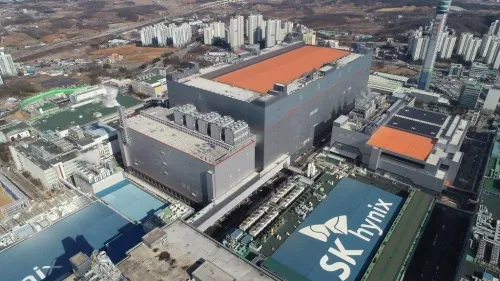
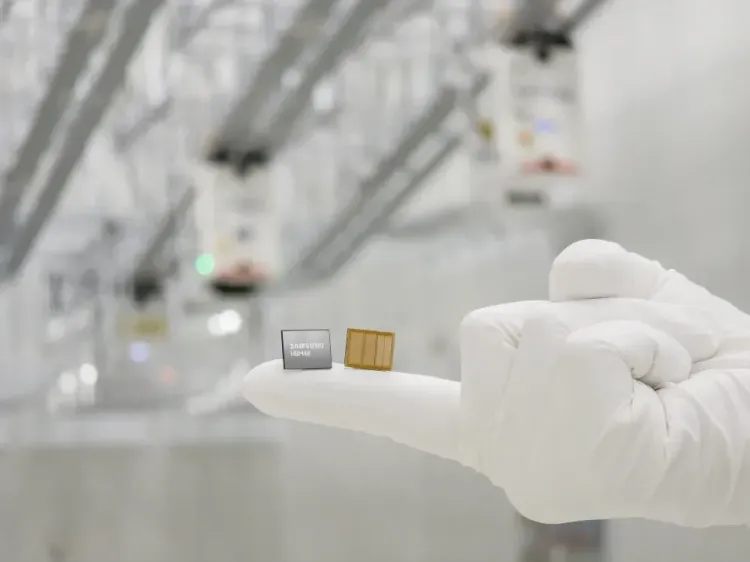
South Korea is home to global semiconductor giants, and the current AI-driven demand surge has sharply elevated corporate tax collections. 'Amid the global chip boom, domestic tax revenue is expected to rise sharply, driven by an increase in corporate tax revenue,' the budget ministry said in its statement. The government framed this fiscal windfall as 'valuable ammunition' to compete in the global race for technological supremacy.
Notably, this approach mirrors sovereign wealth fund logic — ring-fencing cyclical resource gains for long-term structural investment — a model used by countries such as Norway with its oil revenues. South Korea is, in effect, attempting to do the same with semiconductor supercycle proceeds.
Broader Economic Implications
The initiative signals a deliberate pivot in South Korean fiscal philosophy: from reactive budget management to proactive growth engineering. By institutionalising windfall revenue as a separate fiscal category, Seoul is creating a mechanism to insulate long-term investment from the boom-bust cycles that have historically made tech-dependent economies vulnerable.
The Future Fund's success will ultimately depend on governance structures, investment mandates, and transparency — details the ministry has yet to fully disclose. Industry observers and fiscal analysts are expected to scrutinise those specifics closely as the plan moves toward legislation.
Point of View
What assets it can hold, and how returns are measured against the growth mandate. Norway's Government Pension Fund took decades and strict rules to become a credible model. Without equivalent transparency and independence, the Future Fund risks becoming a discretionary fiscal tool dressed in sovereign wealth fund language — useful for political signalling, less useful for compounding long-term national wealth.
NationPress
21 Aug 2026
Frequently Asked Questions
What is South Korea's Future Fund?
The Future Fund is a strategic investment platform announced by South Korea's Ministry of Planning and Budget on 21 August, designed to channel 'windfall revenue' from the AI and semiconductor boom into long-term economic growth initiatives. It is also intended to stabilise national budget management against cyclical tax revenue swings.
What is 'windfall revenue' as defined by the South Korean government?
The South Korean government defines windfall revenue as tax receipts that exceed long-term structural trend lines due to significant economic shifts — such as an industrial supercycle driven by AI and chip demand. This is explicitly distinguished from surplus revenue, which arises from short-term forecasting errors or unexpected economic fluctuations.
Why is the AI chip boom generating extra tax revenue for South Korea?
South Korea hosts major global semiconductor manufacturers, and the surge in AI-related chip demand has significantly increased corporate profits and, consequently, corporate tax collections. The budget ministry noted that domestic tax revenue is expected to rise sharply as a direct result of the global chip boom.
How does the Future Fund differ from a supplementary budget?
Windfall revenue will be ring-fenced specifically for the Future Fund as a long-term investment vehicle, while ordinary surplus revenue will continue to fund supplementary budgets, repay government debt, or make additional contributions to the fund. The distinction is designed to prevent cyclical windfalls from being consumed by short-term spending.
What happens next with the Future Fund plan?
The Ministry of Planning and Budget unveiled the concept in partnership with relevant agencies, but full governance structures, investment mandates, and legislative timelines have not yet been disclosed. Fiscal analysts and industry bodies are expected to scrutinise those details as the proposal advances.