FCC bans foreign robots, hitting China's humanoid market leaders
Synopsis
The FCC has banned new foreign-made robots from the US market, a move that directly threatens Chinese firms controlling over 80% of global humanoid robot installations — the most sweeping extension of America's tech trade barriers into physical AI hardware yet.
Key Takeaways
The FCC added foreign-produced 'advanced robotic devices' to its Covered List on Tuesday, 29 July 2026 , blocking new import authorisations.
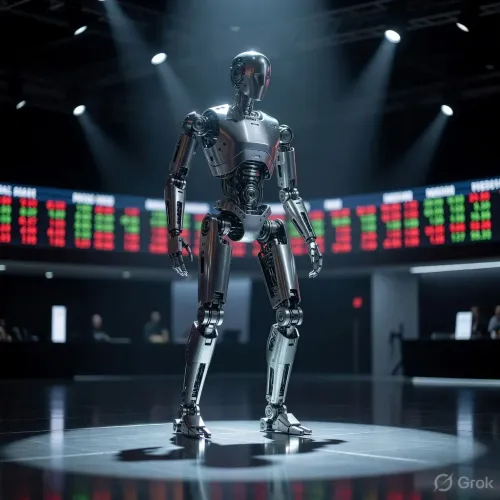
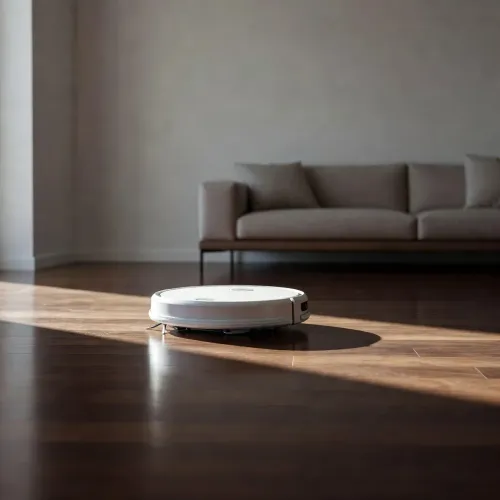
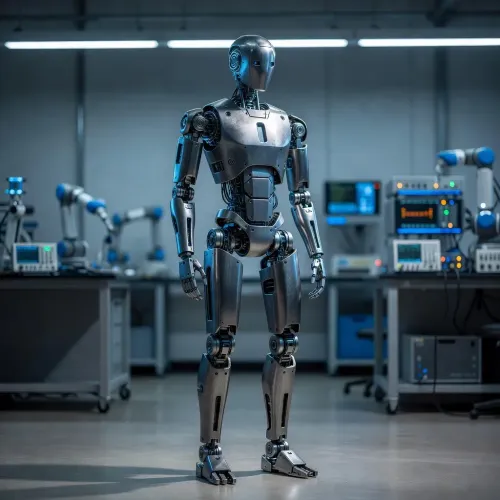
The ban covers new humanoids , quadrupeds , and connected mobile machines; previously authorised models are currently unaffected.
Chinese companies held more than 80 per cent of global humanoid robot installations last year, according to Counterpoint Research .
Key affected firms include Unitree Robotics , Agibot , Pudu Robotics , and Geekplus , based in Shanghai and Shenzhen .
Foreign Ministry spokesperson Mao Ning said Beijing would take 'necessary measures' to protect Chinese enterprises, signalling potential retaliation.
The action extends the FCC Covered List mechanism — previously used against telecoms hardware — into physical AI and robotics for the first time.
The United States Federal Communications Commission (FCC) has added foreign-produced 'advanced robotic devices' to its Covered List, effectively banning new models from obtaining the authorisation required for import and sale in the US — a move that disproportionately targets China's globally dominant robotics industry. The decision, announced on Tuesday, 29 July 2026, covers new humanoids, quadrupeds, and a broad range of connected mobile machines, with the FCC citing supply chain vulnerabilities and cybersecurity threats. Previously authorised models remain unaffected for now.
Why it matters
Chinese companies accounted for more than 80 per cent of humanoid robots installed globally last year, according to a report by Counterpoint Research. That dominant market position means firms such as Unitree Robotics, Agibot, Pudu Robotics, and Geekplus — many headquartered in Shanghai and Shenzhen — now face a hard wall in what was an increasingly important export destination. The ban applies to new model authorisations, meaning any robot line not already cleared faces indefinite exclusion from the US market.
Beijing pushes back
Beijing was swift to condemn the ruling. Foreign Ministry spokesperson Mao Ning told a press briefing on Wednesday: 'China has consistently opposed the US broadening the concept of national security to suppress Chinese companies.' She added that 'protectionism cannot improve US competitiveness and will only harm American companies and consumers,' and warned that Beijing would 'take necessary measures to protect the legitimate rights and interests of Chinese enterprises.' The statement signals potential retaliatory action, though specifics were not disclosed.
The competitive backdrop
China's robotics sector has grown rapidly, with firms attracting significant backing from domestic investors and, in some cases, partnerships with global chipmakers including Nvidia. The sector's rise mirrors the trajectory of Chinese electric vehicle manufacturers, which also faced escalating trade barriers in Western markets after achieving global cost and scale advantages. The FCC's Covered List mechanism — previously used against telecoms equipment makers — is now being extended into physical AI hardware, marking a significant expansion of the tool's scope.
What's next
Affected companies based in Shanghai, Shenzhen, and Dallas-linked distribution hubs must now reassess their US go-to-market strategies, potentially pivoting to Europe, Southeast Asia, and the Middle East to compensate for lost access. Analysts will be watching whether Beijing's promised countermeasures materialise as export restrictions on rare earth materials or components critical to US-based robotics manufacturers. The next inflection point will be any legal challenge filed by affected firms seeking to contest their exclusion from the authorisation process.
Point of View
While American robotics startups still lag on cost and scale, meaning US warehouses and factories may feel the supply squeeze first. The cybersecurity rationale, while not without merit, follows a now-familiar pattern of deploying national-security framing to contain a Chinese industry at the precise moment it achieves global dominance. Watch whether the EU follows suit or seizes the opening to attract Chinese robotics investment — that divergence will define the next phase of the physical-AI supply chain.
NationPress
28 Oct 2026
Frequently Asked Questions
What did the FCC ban regarding foreign robots?
The FCC added foreign-produced 'advanced robotic devices' to its Covered List on Tuesday, 29 July 2026 , preventing new models from obtaining the authorisation required to be imported and sold in the US . The ban covers new humanoids, quadrupeds, and a broad range of connected mobile machines, citing supply chain vulnerabilities and cybersecurity threats.
Why does the FCC robot ban primarily affect China?
Chinese companies accounted for more than 80 per cent of humanoid robots installed globally last year, according to Counterpoint Research , making them the dominant players most exposed to any US market exclusion. Firms such as Unitree Robotics , Agibot , Pudu Robotics , and Geekplus had been actively expanding into the US market.
How has China responded to the FCC robot import ban?
Foreign Ministry spokesperson Mao Ning condemned the ban on Wednesday , stating that Beijing would take 'necessary measures to protect the legitimate rights and interests of Chinese enterprises.' She called the move protectionist, arguing it 'will only harm American companies and consumers.'
Are robots already sold in the US affected by the FCC ban?
Previously authorised models are currently unaffected by the ban. The restriction applies only to new models seeking import authorisation going forward, meaning existing cleared product lines can continue to operate in the US market for now.
Which Chinese robotics companies are most affected by the US ban?
The companies most exposed include Unitree Robotics , Agibot , Pudu Robotics , and Geekplus , all of which have been building international sales pipelines. Many are headquartered in Shanghai and Shenzhen and had identified the US as a key growth market for their humanoid and logistics robot lines.