FCC bars new foreign robots and inverters over cybersecurity risks
Synopsis
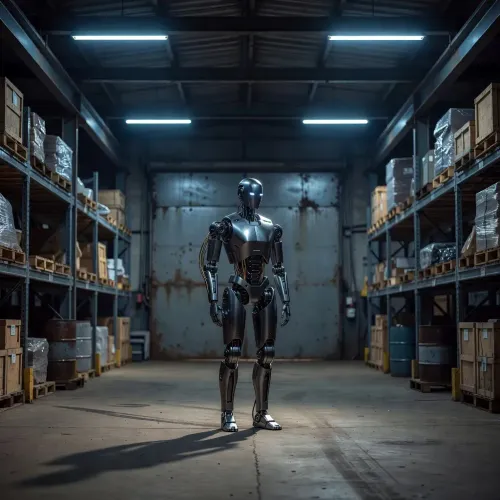
The FCC has barred new foreign-built robots — including humanoid and quadruped models — and connected power inverters from the US market, warning they could be used to surveil Americans, commandeer physical operations, or destabilise the electricity grid. It is the most sweeping extension yet of Washington's technology supply-chain crackdown into the physical robotics space.
Key Takeaways
The FCC added foreign-produced advanced robots and connected power inverters to its Covered List on 29 July , blocking new model authorisations.
The ban covers mobile robots — including humanoid and quadruped devices — but does not affect previously purchased or already-authorised models.
A White House -convened interagency body found the products posed 'unacceptable risks' to US national security.
Connected power inverters were flagged for risks to the US electricity grid , including potential remote shutdown by foreign actors.
Representative John Moolenaar called for Congress to pass the GUARD Act to codify the restrictions into permanent federal law.
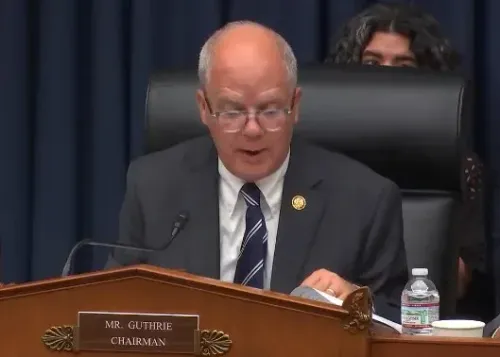
FCC Chairman Brendan Carr said the action follows similar moves targeting drones, drone components, and consumer routers.
The US Federal Communications Commission (FCC) has blocked new models of foreign-produced advanced robots and connected power inverters from entering the American market, citing cybersecurity, surveillance, and supply-chain risks. The FCC added both categories to its Covered List on Tuesday, 29 July, following a determination by a White House-convened interagency body that the products posed 'unacceptable risks to the national security of the United States or the safety and security of United States persons.'
What the Ban Covers
The restriction applies to new models of mobile robots — including humanoid and quadruped devices — as well as connected power inverters manufactured abroad. Most electronic devices require FCC authorisation before they can be imported, marketed, or sold in the United States, making the Covered List designation effectively a market-entry block.
Notably, the action does not affect devices already purchased by consumers. Retailers may continue to import and sell models that received prior FCC authorisation, and purchases by federal agencies are also exempt from the new restrictions.
The National Security Assessment
The interagency assessment concluded that the network capabilities of advanced robots could create openings for cyberattacks and the manipulation of their physical operations. 'Advanced robotic devices collect data that could be leveraged by malign actors to surveil Americans, enhance the capabilities of foreign intelligence services, or to remotely commandeer the robots,' the assessment stated.
On power inverters, the assessment raised concerns that remote connectivity could allow foreign companies to shut down the devices, extract sensitive data, or provide access to foreign government actors — vulnerabilities that could threaten the US electricity grid as inverter-based energy resources expand.
Congressional Reaction
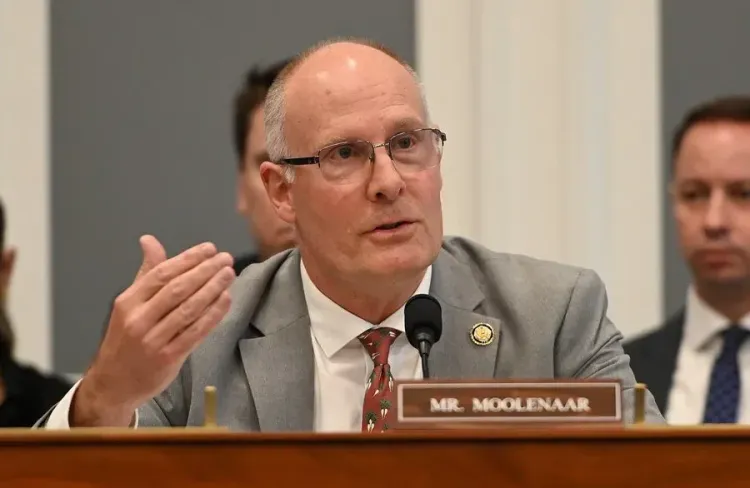
Republican Representative John Moolenaar, chairman of the House Select Committee on China, welcomed the FCC's move and urged Congress to make the policy permanent. 'The FCC's action today protects our country and strengthens our nation's robotics industry,' Moolenaar said.
Moolenaar also called for passage of the bipartisan GUARD Act he introduced earlier this year, which would codify the policy into federal law. He specifically warned about Chinese-built robots entering American homes and workplaces. 'It is likely that one day robotic technology will be in Americans' homes and workplaces, and we must protect our country by keeping out Chinese robots with backdoors that share sensitive data with the CCP,' he said, referring to the Chinese Communist Party.
FCC's Broader Push on Supply-Chain Security
FCC Chairman Brendan Carr said the commission was acting in coordination with national security agencies. 'Following President Trump's leadership, the FCC will continue to do our part to secure America's critical supply chains and, with today's action, the FCC is acting in lock step with our national security agencies to do just that,' Carr said.
This comes amid a broader FCC campaign targeting foreign technology in sensitive supply chains. The commission has taken similar steps in recent months involving uncrewed aircraft systems, their critical components, and consumer-grade routers. Tuesday's action extends that pattern to physical robotics — a category that critics argue poses uniquely elevated risks given the devices' ability to move through and interact with the physical world.
What Happens Next
The immediate effect is a freeze on new model authorisations for foreign-produced robots and connected inverters. Industry groups and foreign manufacturers are expected to scrutinise the scope of 'new models' versus previously authorised devices. Legislative momentum behind the GUARD Act will be a key indicator of whether this executive-level action is consolidated into durable law.
Point of View
However, limits immediate market impact and hands foreign manufacturers a window to accelerate existing-model sales. The GUARD Act push is the real test — executive-level Covered List additions can be reversed by a future administration, as the FCC's own chairman implicitly acknowledged. Whether Congress acts will determine if this is a durable policy shift or a headline manoeuvre in a broader US-China technology rivalry.
NationPress
28 Oct 2026
Frequently Asked Questions
What has the FCC banned regarding foreign robots?
The FCC has blocked new models of foreign-produced advanced robots — including humanoid and quadruped devices — from receiving market authorisation in the United States. The ban, effective 29 July, also covers connected power inverters made abroad, following a national security assessment by a White House-convened interagency body.
Does the ban affect robots already bought by consumers?
No. The restriction applies only to new model authorisations. Devices already purchased by consumers are unaffected, and retailers may continue to sell models that previously received FCC authorisation.
Why are foreign power inverters considered a security risk?
The interagency assessment found that remote connectivity in foreign-made power inverters could allow foreign companies or government actors to shut down the devices, extract data, or access the US electricity grid. The concern grows as inverter-based energy resources become more widespread.
What is the GUARD Act and why does it matter?
The GUARD Act is a bipartisan bill introduced by Representative John Moolenaar that would codify the FCC's Covered List restrictions into federal law. Its passage would make the foreign robot and inverter ban harder to reverse by future administrations, giving the policy permanent legal standing.
Which other foreign technologies has the FCC restricted recently?
In recent months the FCC has taken similar steps targeting uncrewed aircraft systems (drones), their critical components, and consumer-grade routers. The action on robots and power inverters extends that supply-chain security campaign into the physical robotics and energy infrastructure sectors.