Are Forex Volatility and US Tariffs Major Threats for South Korean Exporters?
Synopsis
A recent survey reveals that South Korean exporters are increasingly concerned about the **volatility in the foreign exchange market** and the **tariff policies of the United States**. With many companies setting higher sales targets, they are also worried about competition from Chinese firms and the need for government intervention to stabilize the currency.
Key Takeaways
FX volatility and U.S. tariffs are major risks for exporters.
31.1% of firms expect improved conditions in 2026.
Over 80% are planning to increase investments.
Chinese competitors are seen as increasingly competitive.
Government stabilization of the currency is a priority for exporters.
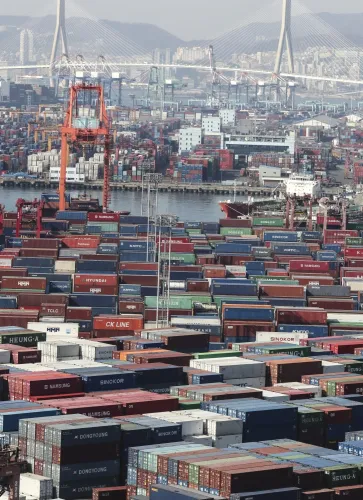
Seoul, Feb 18 (NationPress) The fluctuations in the foreign exchange (FX) market and the tariff strategies of the United States are identified as the most significant threats facing South Korean exporters, according to a recent survey published on Wednesday.
Conducted by the Korea International Trade Association (KITA) among 1,193 export companies, the survey revealed that 28.6% anticipate that their business environment in 2026 will mirror that of the previous year. Meanwhile, 31.1% are hopeful for improvements, and 30.3% predict a decline in conditions, as reported by the Yonhap news agency.
Over 47% of the surveyed firms have established more ambitious sales targets for 2026 compared to the previous year. Additionally, more than 80% plan to either maintain or increase their investments in both domestic and international markets this year.
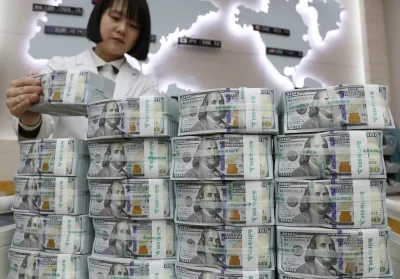
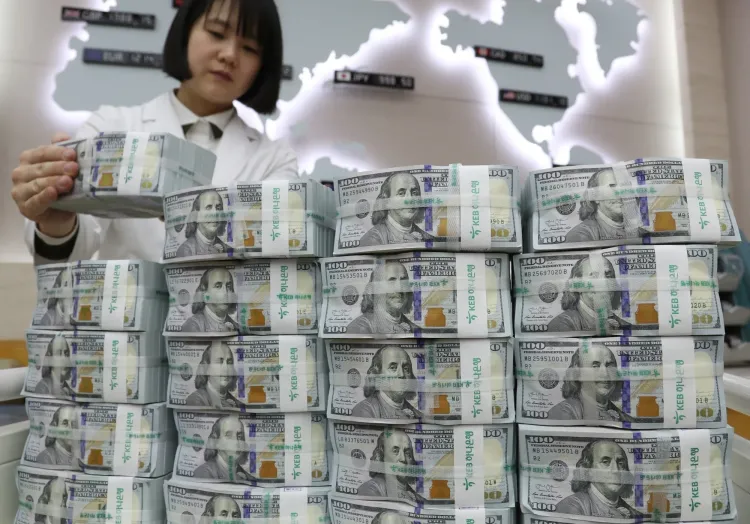
When asked about potential threats to their operations, FX volatility and U.S. tariffs were cited most frequently by 43.5% and 40.1% of respondents, respectively.
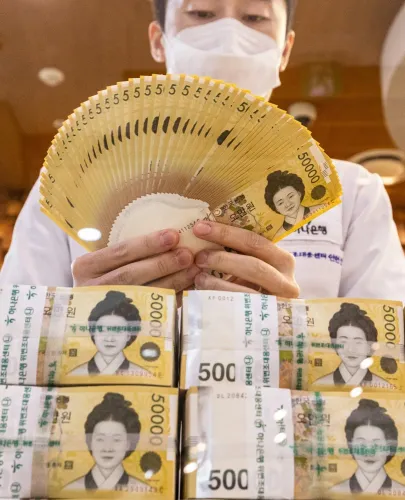
Many companies reported facing elevated import costs for raw materials and pressure from international clients to reduce prices, attributed to the recent depreciation of the Korean won.
Concerns regarding the swift advancement of Chinese competitors were also highlighted, with respondents assessing their competitiveness to be between 99.1% to 99.3% of their own.
In a similar survey conducted three years prior, these figures were reported to be between 95.8% and 97%.
Remarkably, the percentage of companies that rated the competitiveness of Chinese firms at 110% or more than their own has more than doubled this year compared to the 10% percent recorded in 2023, as per KITA.
Sector-wise, Chinese companies were perceived to be more competitive in areas such as petroleum products, home appliances, and steel, while South Korean firms maintained an edge in advanced industries like semiconductors and medical equipment.
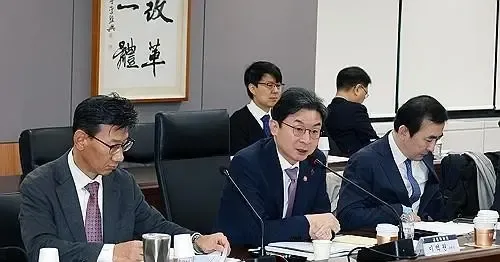
The survey indicated that nearly half of the Korean companies are urging the government to concentrate on stabilizing the local currency to foster a more favorable export environment, with an additional 28% advocating for efforts to mitigate trade risks through negotiations with major economies.
Point of View
It is evident that South Korean exporters face multifaceted challenges. The volatility in the FX market and tariff policies from the U.S. are pivotal concerns. While many companies remain optimistic about their growth targets, the competitive landscape, especially with rising Chinese firms, underscores the need for strategic government support in stabilizing the economy. This is an important moment for our exporters, and attention to these factors is crucial.
NationPress
19 Sept 2026
Frequently Asked Questions
What are the main risks identified for South Korean exporters?
The main risks identified are the volatility in the foreign exchange market and the tariff policies of the United States.
How do South Korean companies feel about their business environment in 2026?
According to the survey, 28.6% believe it will be similar to last year, while 31.1% expect improvements and 30.3% foresee worsened conditions.
What percentage of companies have set higher sales targets for 2026?
More than 47% of the surveyed companies have set higher sales targets for 2026 compared to last year.
What do companies want from the government to help with exports?
Nearly half of the companies want the government to focus on stabilizing the local currency to create a better export environment.
How do South Korean firms view their Chinese competitors?
Chinese firms are viewed as more competitive, particularly in sectors like petroleum products and home appliances.