Why Has the Government Banned High-Dose Nimesulide Oral Formulations?
Synopsis
In a significant move to enhance public health safety, the Indian government has prohibited high-dose Nimesulide oral formulations. This decision reflects a growing commitment to ensuring safer medication alternatives are available to the populace. Discover why this ban is pivotal for health standards and the implications for pharmaceutical companies.
Key Takeaways
Immediate ban on high-dose Nimesulide formulations.
The ban aims to minimize health risks associated with liver toxicity.
Lower-dose formulations remain available.
Pharmaceutical companies must recall affected products.
India is investing heavily in domestic API manufacturing.
New Delhi, Dec 31 (NationPress) The government has issued a ban on the manufacture, sale, and distribution of all oral formulations of pain and fever medications containing Nimesulide exceeding 100 milligrams in immediate-release dosage form, effective immediately.
This decision was made under Section 26A of the Drugs and Cosmetics Act, 1940, following discussions with the Drugs Technical Advisory Board.
The Health Ministry's notification stated that the use of all oral formulations with Nimesulide above 100 mg in immediate release poses risks to human health, especially given that safer alternatives exist.
Nimesulide, a non-steroidal anti-inflammatory drug, has faced global scrutiny due to concerns over potential liver toxicity and other adverse effects. This ban is part of broader efforts to enhance safety standards and eliminate high-risk medications.
Notably, the prohibition only applies to high-dose products intended for human use, allowing lower-dose formulations and other therapeutic options to remain accessible.
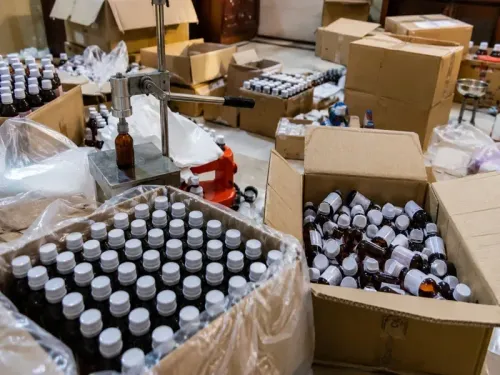
Pharmaceutical companies producing Nimesulide brands are required to cease manufacturing and recall the affected batches. Analysts predict minimal financial repercussions for major drug companies since Nimesulide accounts for a small percentage of overall NSAID sales. However, smaller companies with significant exposure may experience revenue challenges.
India has previously utilized Section 26A to prohibit various fixed-dose combinations and high-risk drugs to protect public health.
Furthermore, the country has intensified its commitment to domestic active pharmaceutical ingredient manufacturing, with a total investment of Rs 4,763.34 crore made in the past three and a half years under the scheme for the Promotion of Bulk Drug Parks, which is expected to conclude by September 2025.
This achievement surpasses the investment commitment of Rs 4,329.95 crore over six years in greenfield projects, according to government sources.
The PLI scheme for Bulk Drugs aims to mitigate supply disruptions of critical Active Pharmaceutical Ingredients (APIs) essential for producing vital medications without alternatives, thereby reducing reliance on single-source suppliers. The scheme has a financial allocation of Rs 6,940 crore.
aar/na
Point of View
I believe this ban on high-dose Nimesulide formulations is a necessary step towards safeguarding public health. It reflects our government's commitment to ensuring that medications are not only effective but also safe for consumers. This proactive measure aligns with global health standards and demonstrates the need for continuous improvement in our pharmaceutical regulations.
NationPress
28 Sept 2026
Frequently Asked Questions
Why has the government banned high-dose Nimesulide?
The government banned high-dose Nimesulide to mitigate health risks associated with its use, as safer alternatives are available for pain and fever treatment.
Are lower-dose formulations of Nimesulide still available?
Yes, the ban only applies to high-dose formulations, allowing lower-dose options and other therapeutic alternatives to remain on the market.
How will this ban affect pharmaceutical companies?
Pharmaceutical companies must halt production and recall affected batches. Major firms may face minimal financial impact, while smaller companies could experience revenue pressure.
What is the PLI scheme for Bulk Drugs?
The PLI scheme for Bulk Drugs aims to prevent supply disruptions of critical Active Pharmaceutical Ingredients (APIs) and enhance domestic manufacturing capabilities.