What Significant Steps Are India and Australia Taking to Develop Industry-Aligned Talent?
Synopsis
On November 9, 2023, India and Australia announced vital initiatives to create a globally adaptable, industry-focused talent pool during the third AIESC Meeting. With a focus on establishing a robust roadmap, both nations aim to tackle workforce challenges in emerging sectors, enhancing vocational education and skilling partnerships.
Key Takeaways
Significant advancements in talent development between India and Australia.
A need for a structured roadmap to achieve measurable outcomes.
Collaboration among various educational and skill development institutions.
Focus on industry-linked training models and flexible learning pathways.
Shared challenges in preparing the workforce for green sectors and technological advancements.
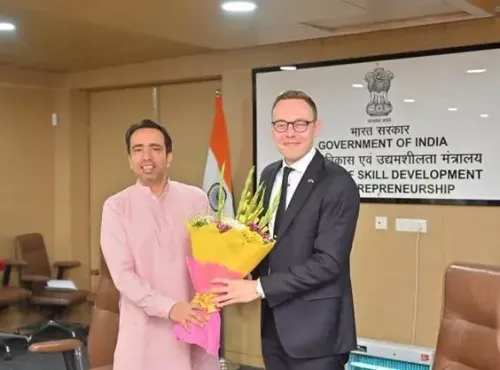
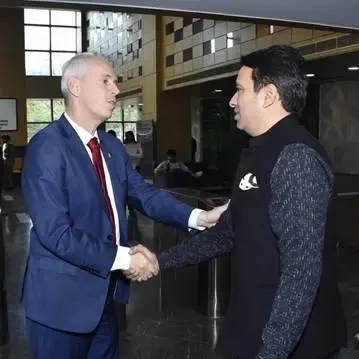
New Delhi, Nov 9 (NationPress) India and Australia are making substantial advancements in cultivating a globally mobile, industry-focused talent pool, as stated by Jayant Chaudhary, the Minister of State (Independent Charge) for Skill Development and Entrepreneurship, on Tuesday.
During the third meeting of the Australia–India Education and Skills Council (AIESC), he emphasized the necessity for a timely roadmap that ensures measurable results in joint certification, global skills acknowledgment, and reliable assessment frameworks.
Australia’s Minister for Skills and Training, Andrew Giles, reiterated his nation's dedication to enhancing cooperation while also highlighting the importance of overcoming challenges to implement and deliver significant outcomes.
He added that both nations have made progress in institutional collaborations between ITIs, NSTIs, and TAFEs.
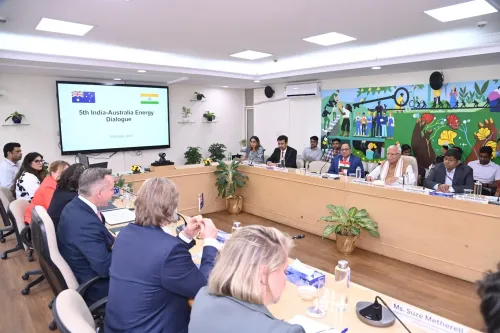
As part of ongoing partnerships discussed at the third AIESC meeting, India and Australia conducted a high-level roundtable focused on skilling cooperation at Kaushal Bhawan.
This meeting united senior representatives from India's National Council for Vocational Education and Training (NCVET), the National Skill Development Corporation (NSDC), Green Jobs, the Directorate General of Training (DGT), NSDC International, and industry experts. The Australian delegation consisted of leaders from Jobs & Skills Australia, the Australian Mining and Automotive Skills Alliance, and the Australian Skills Quality Authority (ASQA).
Debashree Mukherjee, Secretary for Skill Development & Entrepreneurship, pointed out the necessity for greater alignment among institutions on both sides, such as ASQA and NCVET concerning regulatory matters, as well as India’s Sector Skill councils in conjunction with Jobs and Skills Australia. She emphasized the mutual commitment to enhance the perception of vocational education, summarizing key action points from the bilateral discussions during the 3rd AIESC Skills Session held on December 8.
The discussions concentrated on synchronizing skill ecosystems to adapt to rapid technological advancements, including AI-driven transformations, evolving industry demands, and sector-specific talent shortages.
Participants acknowledged that both countries face similar challenges in preparing their workforce for green sectors, clean energy, advanced manufacturing, agri-tech, and digital professions. They stressed the significance of training models linked to industry, flexible learning pathways, and an enhanced capacity for trainers.
Point of View
It is crucial to observe how the India-Australia partnership in skill development not only aims to address current workforce challenges but also positions both countries strategically in a rapidly evolving global job market. The emphasis on vocational education reflects a timely response to technological advancements and industry needs.
NationPress
29 Sept 2026
Frequently Asked Questions
What is the purpose of the third AIESC Meeting?
The third Australia-India Education and Skills Council Meeting aims to develop a globally mobile and industry-aligned talent pool by establishing a roadmap for joint certification, global skills recognition, and trusted assessment systems.
Who attended the high-level roundtable on skilling partnership?
The roundtable featured senior representatives from India's NCVET, NSDC, and various industry experts, along with leaders from Australia's Jobs & Skills Australia and ASQA.
What are the key challenges discussed in the meeting?
Challenges include preparing the workforce for green sectors, clean energy, and adapting training models to meet evolving industry demands and technological changes.
Why is the collaboration between India and Australia important?
This collaboration is vital for enhancing vocational education and addressing skill shortages in both countries, ensuring that the workforce is prepared for future challenges.
How will this initiative impact vocational education?
The initiative aims to elevate the status of vocational education by creating coherent regulatory frameworks and industry-linked training models across both nations.