India's Small Hydro Power Scheme 2026-31: Rs 2,585 Crore to Add 1,500 MW
Synopsis
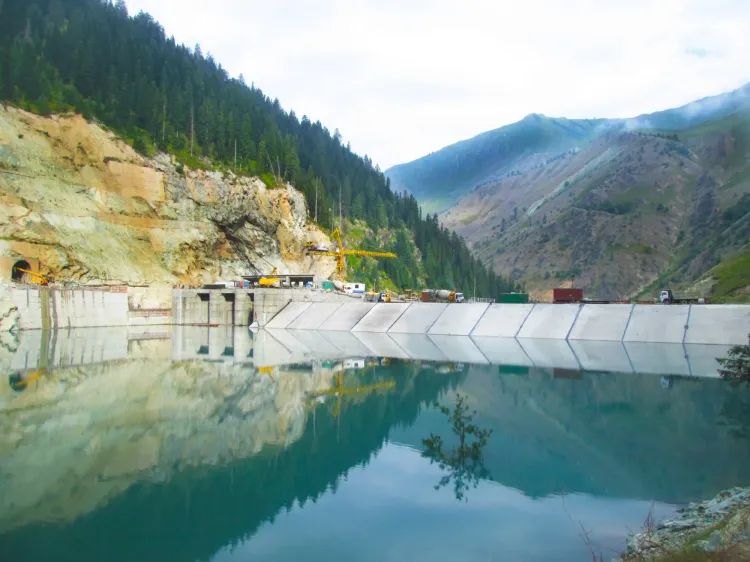
India's Cabinet has greenlit a Rs 2,584.60 crore Small Hydro Power Scheme targeting 1,500 MW of new capacity by 2031 — a policy correction that finally puts hilly and Northeast India's vast untapped hydro potential at the centre of the country's clean energy strategy.
Key Takeaways
Rs 2,584.60 crore approved by the Union Cabinet for the Small Hydro Power Development Scheme (2026–31) .
The scheme targets 1,500 MW of new small hydro capacity from projects between 1 MW and 25 MW .
India's total identified SHP potential is 21,133.61 MW across 7,133 sites ; only 24.5 per cent has been utilised so far.
Special focus on hilly and North Eastern States that have high potential but limited energy access.
Rs 30 crore allocated separately for DPR preparation for at least 200 projects to build a future pipeline.
Scheme expected to attract Rs 15,000 crore in private investment and promote indigenous equipment manufacturing under Atmanirbhar Bharat.
India's Small Hydro Power Development Scheme (2026–31) received Union Cabinet approval with a budgetary outlay of Rs 2,584.60 crore, targeting the addition of 1,500 MW of new clean energy capacity. Announced on Sunday, April 26, 2025, the scheme is designed to deliver reliable, decentralised electricity to remote and mountainous regions where solar and wind energy face significant physical and logistical constraints. This marks one of India's most focused policy interventions in the small hydropower sector in recent years.
Scale of India's Small Hydro Potential
India holds an identified Small Hydro Power (SHP) potential of 21,133.61 MW spread across 7,133 sites nationwide. As of early 2026, only approximately 5,171 MW — roughly 24.5 per cent — of this potential has been harnessed, according to the government's official fact-sheet.
This leaves over 15,960 MW of untapped capacity, representing a substantial opportunity that the new scheme aims to accelerate through structured public-private collaboration and focused policy support. The gap between potential and achievement underscores why targeted intervention was deemed necessary.
Key Features of the 2026–31 Scheme
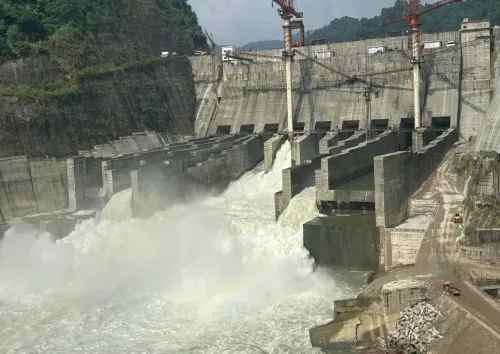
The scheme will support small hydro projects ranging between 1 MW and 25 MW in capacity across multiple states. Special priority has been assigned to hilly states and the North Eastern States, which possess high untapped SHP potential but are frequently constrained by poor grid connectivity and energy access challenges.
A dedicated allocation of Rs 30 crore has been set aside to assist central and state agencies in preparing a robust future project pipeline. The scheme also mandates support for the preparation of Detailed Project Reports (DPRs) for a minimum of 200 projects, ensuring that viable sites move swiftly from planning to execution.
Crucially, the scheme promotes the use of indigenous plant and machinery, directly supporting the Atmanirbhar Bharat initiative while strengthening domestic manufacturing and supply chains in the clean energy sector.
Investment and Economic Impact
The government expects the scheme to catalyse investments of approximately Rs 15,000 crore in the small hydro sector over its five-year duration. This leverage ratio — roughly 6x the public outlay — signals the scheme's design as a demand-side stimulus for private capital rather than a purely state-funded programme.
Beyond electricity generation, the scheme is projected to boost local livelihoods, reduce dependence on diesel and conventional fuels in remote areas, and create employment in construction, operations, and supply chain segments — particularly in economically lagging hill districts.
Why This Matters: The Bigger Picture
India's clean energy transition has been heavily weighted toward solar and wind, with small hydro historically receiving comparatively limited policy attention. This scheme corrects a structural imbalance: solar panels are ineffective in densely forested, cloud-heavy terrains of the Northeast, while wind energy requires open, flat landscapes. Small hydropower, by contrast, thrives precisely where these alternatives struggle.
Notably, the North Eastern States — including Arunachal Pradesh, Sikkim, Meghalaya, and Himachal Pradesh — collectively hold a disproportionate share of India's remaining SHP potential. These states also rank among the lowest in per-capita electricity consumption, making energy access not just an infrastructure issue but a socioeconomic equity imperative.
Critics have previously argued that India's renewable energy push has been metro- and plains-centric, leaving border and hill communities behind. This scheme, if executed with transparency and timely disbursement, could address that long-standing criticism with measurable outcomes.
What Comes Next
With Cabinet approval secured, the scheme now moves into implementation mode, with state governments expected to identify and submit project proposals under the new framework. The preparation of 200+ DPRs will be a critical early milestone, and the pace of DPR completion will determine whether the 1,500 MW target is achieved within the 2026–31 window. Stakeholders will closely watch whether private investment commitments materialise against the projected Rs 15,000 crore figure, and whether indigenous equipment mandates are enforced rigorously or diluted under procurement pressures.
Point of View
River valleys, and the Northeast. The Small Hydro Power Scheme 2026–31 is a belated but welcome acknowledgment that one-size-fits-all energy policy leaves border communities behind. The real test, however, lies not in Cabinet approvals but in execution: India's track record on DPR preparation and private investment mobilisation in hydro has been patchy at best. With 75 per cent of SHP potential still untapped despite decades of awareness, this scheme must deliver accountability mechanisms alongside rupees — or risk becoming another well-intentioned policy that looks better on paper than on the ground.
NationPress
16 Sept 2026
Frequently Asked Questions
What is the Small Hydro Power Development Scheme 2026-31?
The Small Hydro Power Development Scheme 2026–31 is a Union Cabinet-approved programme with an outlay of Rs 2,584.60 crore aimed at adding 1,500 MW of new small hydropower capacity across India. It supports projects between 1 MW and 25 MW, with special focus on hilly and North Eastern States.
How much small hydro power potential does India have?
India has an identified small hydro power potential of 21,133.61 MW across 7,133 sites. As of early 2026, only about 5,171 MW — roughly 24.5 per cent — has been harnessed, leaving over 15,960 MW untapped.
Which states will benefit most from the Small Hydro Power Scheme?
Hilly states and North Eastern States — including Arunachal Pradesh, Sikkim, Meghalaya, and Himachal Pradesh — are the primary beneficiaries. These regions have high untapped small hydro potential and face significant energy access challenges due to difficult terrain.
How much private investment is expected under the SHP scheme?
The scheme is expected to attract approximately Rs 15,000 crore in private investment in the small hydro sector over its 2026–31 duration. This is roughly six times the government's direct budgetary outlay of Rs 2,584.60 crore.
How does the Small Hydro Power Scheme support Atmanirbhar Bharat?
The scheme mandates the use of indigenous plant and machinery for small hydro projects, directly supporting the Atmanirbhar Bharat initiative. This is intended to boost domestic manufacturing capacity and strengthen local supply chains in the clean energy equipment sector.