India-Kenya trade surges 24.91% to $4.31 billion in FY26, JTC charts deeper ties
Synopsis
India-Kenya trade hit $4.31 billion in FY26—a 24.91% surge that positions New Delhi as Nairobi's go-to partner for engineering, generics, and clean energy. With three new MOUs and chatter about local currency settlement, this isn't just commerce; it's geopolitical repositioning in East Africa.
Key Takeaways
India-Kenya bilateral trade reached $4.31 billion in FY26 , up 24.91% from $3.45 billion in FY25 .
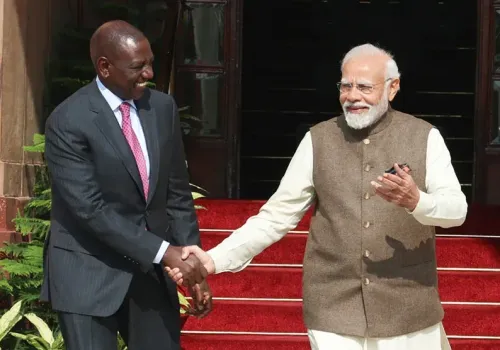
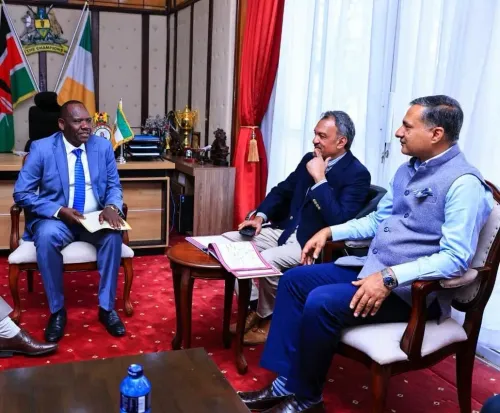
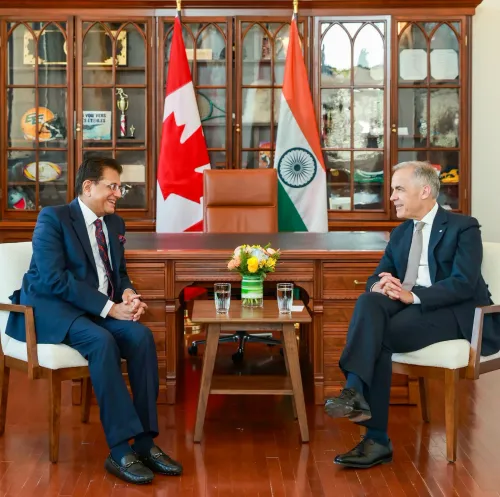
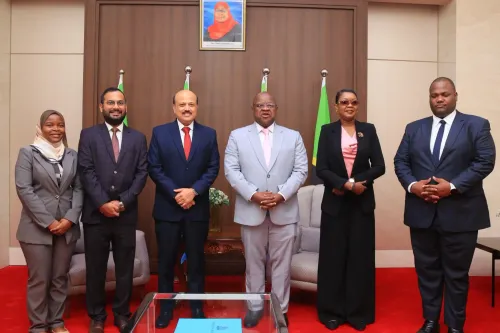
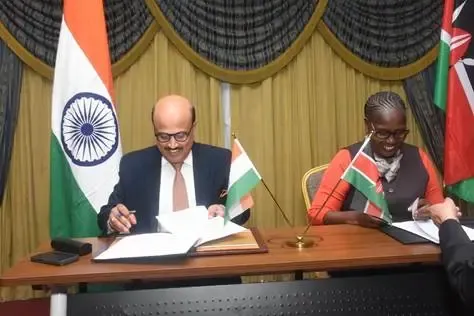
The 10th India–Kenya Joint Trade Committee (JTC) met in Nairobi , co-chaired by Commerce Secretary Rajesh Agrawal and Regina Akotah Ombam .
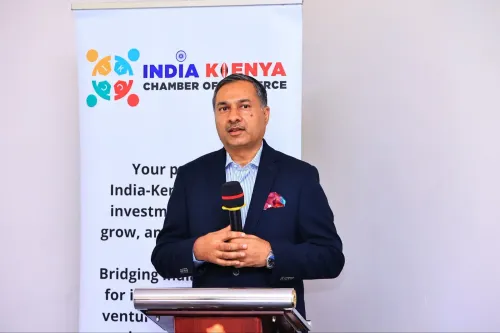
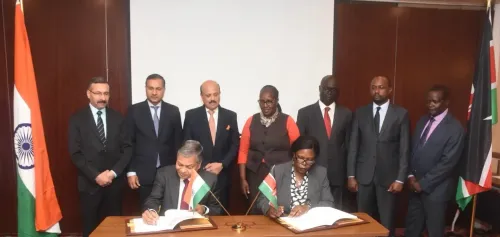
Three MOUs signed: BIS-KEBS on standards, CBIC-KRA on customs information exchange, and CII with India Kenya Chamber of Commerce.
Key sectors: engineering, pharmaceuticals, agriculture, electronics, and renewable energy.
Both nations exploring a Local Currency Settlement (LCS) mechanism to reduce forex costs.
India-Kenya bilateral trade reached $4.31 billion in FY26, marking a 24.91% jump from $3.45 billion in FY25, as the two nations committed to broadening economic cooperation across engineering, pharmaceuticals, and renewable energy. The growth underscores India's expanding footprint in East Africa and Kenya's reliance on Indian goods and capital.
What the JTC discussed
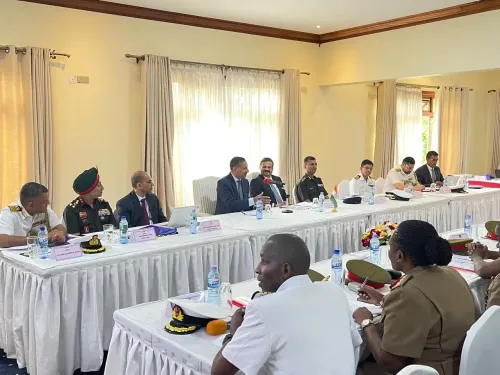
The 10th session of the India–Kenya Joint Trade Committee (JTC), held in Nairobi and co-chaired by Commerce Secretary Rajesh Agrawal and Regina Akotah Ombam, Principal Secretary, State Department for Trade, Republic of Kenya, reviewed sectoral opportunities and trade facilitation measures. Key focus areas included engineering goods, pharmaceuticals, agriculture, and electronics.
New bilateral frameworks signed
Three memoranda of understanding were inked during the meeting. The Bureau of Indian Standards (BIS) and Kenya Bureau of Standards (KEBS) signed an MoU on standardisation and conformity assessment. The Central Board of Indirect Taxes and Customs (CBIC) and Kenya Revenue Authority (KRA) agreed to exchange pre-arrival customs information to streamline procedures. Additionally, the Confederation of Indian Industry (CII) and the India Kenya Chamber of Commerce and Industry signed an MoU to deepen trade and investment collaboration.
Sectoral opportunities identified
In engineering and manufacturing, both sides flagged potential for expanding exports of automobiles, machinery, and construction equipment. India positioned itself as a reliable supplier of affordable generic medicines and medical devices in the pharmaceutical space, proposing enhanced business-to-business engagement. In renewable energy, India offered support for Kenya's clean energy initiatives, including solar and wind projects.
Local currency settlement on the table
Both nations acknowledged the potential of a Local Currency Settlement (LCS) mechanism to reduce foreign exchange costs and deepen financial integration. Such a framework, if adopted, would allow trade invoicing in Indian rupees and Kenyan shillings, reducing reliance on the US dollar and strengthening bilateral economic ties.
What's next
The committees are expected to operationalise the new MOUs within the next quarter, with sectoral working groups tasked with identifying specific product categories and investment opportunities. India's push into East Africa's manufacturing and energy sectors signals a broader strategy to diversify export markets beyond traditional Western partners.
Point of View
Signalling a move away from dollar dominance in South-South trade. For India, it's about export diversification away from traditional Western markets and deepening ties in a region where China has long dominated. For Kenya, it's about access to affordable generics and manufacturing expertise. Both benefit, but New Delhi is playing the longer game.
NationPress
16 Sept 2026
Frequently Asked Questions
How much did India-Kenya bilateral trade grow in FY26?
India-Kenya bilateral trade reached $4.31 billion in FY26, up 24.91% from $3.45 billion in FY25. This growth reflects expanded trade across engineering, pharmaceuticals, agriculture, and electronics.
What is the India-Kenya Joint Trade Committee (JTC)?
The JTC is a bilateral mechanism for reviewing trade ties and identifying growth opportunities. The 10th session was held in Nairobi and co-chaired by Commerce Secretary Rajesh Agrawal and Kenya's Principal Secretary for Trade, Regina Akotah Ombam.
What are the three new MOUs signed during the JTC meeting?
Three MOUs were signed: one between the Bureau of Indian Standards (BIS) and Kenya Bureau of Standards (KEBS) on standardisation; another between the Central Board of Indirect Taxes and Customs (CBIC) and Kenya Revenue Authority (KRA) on customs information exchange; and a third between the Confederation of Indian Industry (CII) and the India Kenya Chamber of Commerce on trade and investment collaboration.
What is the Local Currency Settlement (LCS) mechanism being discussed?
Both nations are exploring an LCS mechanism that would allow trade invoicing in Indian rupees and Kenyan shillings rather than US dollars. This would reduce foreign exchange costs and deepen financial integration between the two countries.
Which sectors are prioritised for trade expansion?
Key sectors include engineering and manufacturing (automobiles, machinery, construction equipment), pharmaceuticals (generic medicines and medical devices), agriculture, electronics, and renewable energy (solar and wind projects).