How is India Protecting Its Agriculture Sector in the Interim US Trade Deal?
Synopsis
In a significant move for Indian farmers, Finance Minister Nirmala Sitharaman announces that the interim US trade deal safeguards crucial agricultural sectors, potentially boosting farmer incomes and sustaining rural livelihoods. Discover how this agreement could reshape the agricultural landscape in India and enhance economic opportunities.
Key Takeaways
India has protected its agricultural sector in the US trade deal.
Reciprocal tariffs on Indian goods will be reduced to 18%.
Key products like maize, wheat, and dairy are safeguarded.
Both countries will establish rules of origin for mutual benefit.
Efforts will be made to address non-tariff barriers affecting trade.
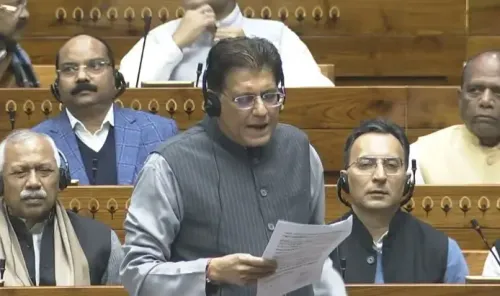
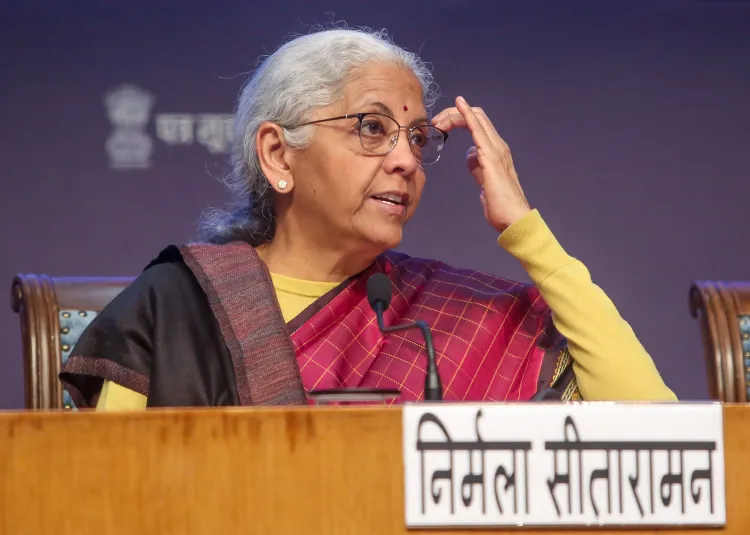
New Delhi, Feb 7 (NationPress) India has effectively protected the interests of its agriculture and animal husbandry sectors in the recent interim trade agreement with the US, stated Finance Minister Nirmala Sitharaman on Saturday.
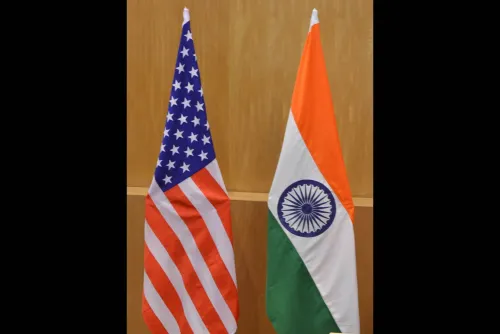
Under this interim trade deal framework, the US will reduce reciprocal tariffs on Indian products to 18 percent, creating substantial market opportunities in sectors like textiles, apparel, leather, footwear, plastics, rubber, organic chemicals, home decor, artisanal goods, and select machinery within the world's largest economy.
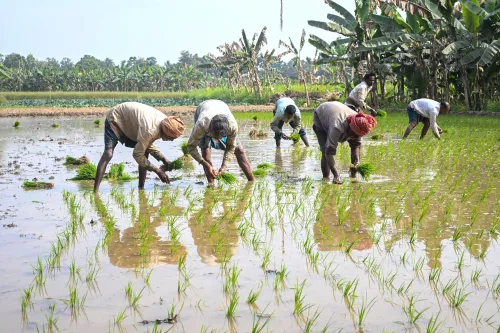
According to FM Sitharaman, “The framework safeguards essential farm and dairy products, spices, and staples, thereby enhancing farmer incomes.”
The agreement underscores India's dedication to protecting farmers' interests and supporting rural livelihoods by ensuring complete protection for sensitive agricultural and dairy products, including maize, wheat, rice, soya, poultry, milk, cheese, ethanol (fuel), tobacco, certain vegetables, and meat.
Both India and the United States commit to providing each other with preferential market access in sectors of mutual interest on a continuous basis.
Additionally, the two nations will establish rules of origin to guarantee that the advantages of the agreement primarily benefit both countries, as noted in a statement from the White House.
As stated by the White House, “The United States and India will tackle non-tariff barriers impacting bilateral trade.” Recognizing the need for collaboration to address longstanding issues, India has also agreed to address persistent non-tariff barriers affecting US food and agricultural products.
The White House also mentioned that efforts will be made to further expand market access opportunities through negotiations for the BTA, with the US indicating it will consider India's request to continue lowering tariffs on Indian goods.
India will also benefit from exemptions under Section 232 on aircraft parts, tariff rate quotas on auto parts, and negotiated outcomes on generic pharmaceuticals, which will result in tangible export benefits in these sectors.
Point of View
This trade agreement is a vital step in ensuring that India's agriculture sector remains robust amidst global trade dynamics. By prioritizing farmer interests and sustaining rural economies, India demonstrates its commitment to protecting its agricultural heritage while embracing new economic avenues.
NationPress
19 Sept 2026
Frequently Asked Questions
What is the interim US trade deal?
The interim US trade deal is an agreement between India and the United States that aims to lower tariffs and create market opportunities for Indian goods while protecting sensitive agricultural sectors.
How will this deal affect Indian farmers?
The deal is designed to enhance farmer incomes by protecting key agricultural products and providing access to larger markets, ultimately supporting rural livelihoods.
What products are protected under this agreement?
The agreement protects essential farm and dairy products, spices, and staples, ensuring that items like maize, wheat, rice, and poultry are safeguarded.
What are the benefits for both countries?
Both countries will receive preferential market access in sectors of mutual interest, fostering a more robust trade relationship.
What are non-tariff barriers?
Non-tariff barriers are regulatory restrictions, other than tariffs, that countries use to control the amount of trade across their borders, which can affect the flow of goods.