India's Wheat Output 2025-26 Stable Despite Heat, Hailstorms: Centre
Synopsis
Despite February heat stress and hailstorms damaging select regions, India's wheat crop for 2025-26 remains stable, backed by record sowing of 33.4 million hectares, zero pest incidence, and Madhya Pradesh raising its procurement target to 100 LMT — signalling strong national output that could ease food inflation fears.
Key Takeaways
Wheat sown on 33.4 million hectares in 2025-26 — an increase over the previous season — with zero pest or disease incidence reported nationwide.
Haryana has procured 56.13 LMT of wheat, exceeding its 75 LMT target , with procurement up by approximately 9 LMT year-on-year.
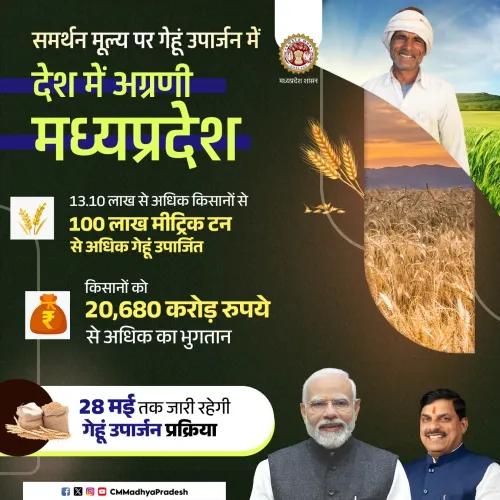
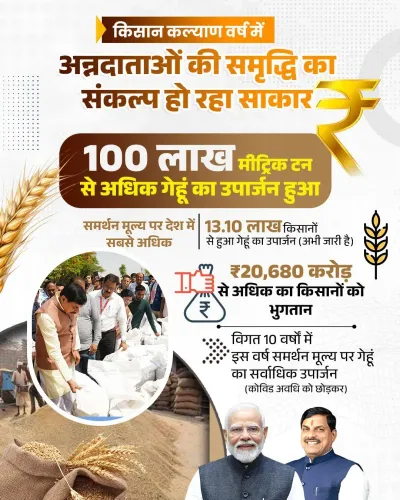
Madhya Pradesh raised its wheat procurement target from 78 LMT to 100 LMT due to strong production estimates, at the state government's own request.
Maharashtra's wheat output for 2025-26 is estimated at 22.90 lakh tonnes , showing steady year-on-year growth, with inflows from Marathwada and Vidarbha .
An additional 0.6 million hectares under cultivation in 2025-26 is expected to partially compensate for localised yield losses from February heat stress and hailstorms .
Enhanced Varietal Replacement Rate (VRR) has fast-tracked farmer adoption of climate-resilient, high-yielding wheat varieties better suited to handle heat and biotic stress.
India's wheat production for 2025-26 is on a stable footing despite localised weather disruptions, the Union Agriculture Ministry confirmed on Sunday, April 26, pushing back against media reports suggesting a significant production shortfall. The government credited increased sowing area, timely agronomic interventions, and adoption of climate-resilient seed varieties for cushioning the crop against adverse conditions. The overall outlook, officials stressed, remains cautiously optimistic.
Government Rejects Alarmist Reports on Wheat Crop
The Ministry of Agriculture and Farmers' Welfare issued an official clarification stating that while certain weather-related challenges did affect parts of the country, the national wheat crop cannot be characterised as being in distress. The ministry noted that wheat was sown across an estimated 33.4 million hectares — a notable expansion compared to the previous season — and crucially, the crop recorded zero incidence of insect pests or diseases throughout the growing season.
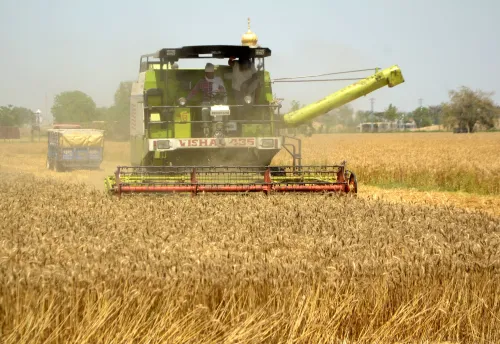
Officials highlighted that early and timely sowing played a decisive role in protecting the crop. By advancing the sowing calendar, farmers enabled the crop to complete the critical grain filling stage before the onset of peak summer heat — a strategy that paid dividends this season.
The government also pointed out that weed infestation remained low during crop growth stages, further reducing yield-loss risks. These combined factors gave the wheat crop a stronger baseline than in previous years.
Weather Challenges: Heat Stress and Hailstorms Hit Select Regions
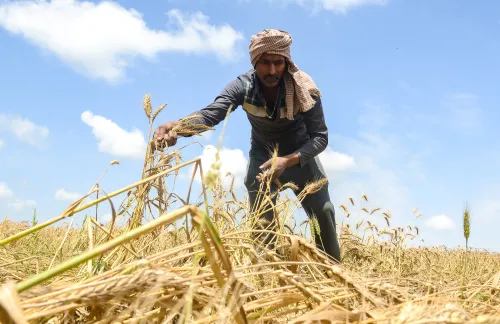
The ministry did acknowledge that unusually high temperatures in February 2025 subjected the wheat crop to heat stress during the grain filling phase, compressing the duration of grain development and impacting yield potential in affected zones. This kind of terminal heat stress is a well-documented threat to wheat productivity in the Indo-Gangetic Plains.
Additionally, untimely rainfall and hailstorms at the time of crop maturity caused localised damage to grain quality and yield in select pockets. However, the ministry was clear that these were geographically limited incidents and not indicative of a nationwide production crisis.
This comes amid a broader pattern of climate volatility impacting India's rabi crop cycle. Notably, similar heat-stress episodes were reported in 2022 and 2023, which had then prompted emergency advisories and procurement adjustments — making the government's current emphasis on adaptive farming practices all the more significant.
State-Level Procurement Data Reflects Strong Output
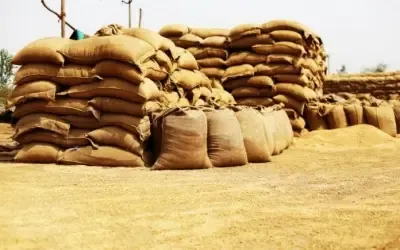
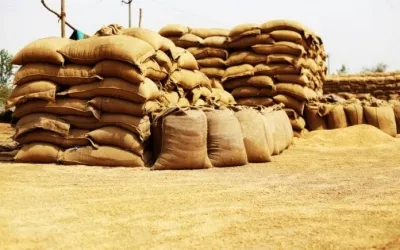
On-ground procurement figures from key wheat-producing states tell a story of resilience. In Haryana, arrivals at mandis have already surpassed the government's procurement target of 75 Lakh Metric Tonnes (LMT), with 56.13 LMT purchased as of late April — an increase of approximately 9 LMT over the same period last year.
In Madhya Pradesh, the initial procurement target of 78 LMT was officially revised upward to 100 LMT after the state government requested an enhancement based on strong production estimates. This upward revision is a significant indicator of ground-level confidence in the crop's output.
Maharashtra is estimated to produce approximately 22.90 lakh tonnes of wheat in 2025-26 — a steady year-on-year increase. Steady inflows are being reported particularly from the Marathwada and Vidarbha regions as of late April.
Compensatory Factors Underpin National Stability
The government outlined several structural factors that are expected to offset localised losses. The additional 0.6 million hectares brought under wheat cultivation in 2025-26 is projected to compensate for yield reductions in heat-affected or hailstorm-hit zones.
A significant boost has also come from the enhanced Varietal Replacement Rate (VRR) — a metric tracking how quickly farmers switch to newer, improved seed varieties. Higher VRR means more farmers are now cultivating high-yielding, heat-tolerant, and disease-resistant wheat varieties, which are inherently better equipped to handle biotic and abiotic stresses.
The ministry concluded that the combined effect of expanded acreage, early sowing, and improved varietal adoption is expected to ensure that national wheat production in 2025-26 remains comparable to the 2024-25 season, effectively neutralising the adverse weather impact at the macro level.
What This Means for Food Security and Prices
India's wheat stock levels and procurement performance have direct consequences for food inflation, PDS (Public Distribution System) allocations, and export policy decisions. A stable wheat harvest reduces pressure on the government to restrict exports or dip into strategic reserves — both moves that carry significant economic and political weight.
Critics and independent agricultural economists have, in the past, flagged discrepancies between official production estimates and actual market arrivals. The government's proactive clarification this season suggests heightened sensitivity to public and market perception around food security — particularly with retail wheat and flour (atta) prices having remained elevated over the past two years.
As the procurement season progresses through May and June 2025, final production figures from the Fourth Advance Estimate will offer a definitive picture of how well India's wheat crop weathered this season's climatic challenges.
Point of View
And the government cannot afford another round of atta inflation headlines ahead of state election cycles. What's notable is the data backing them up this time: Madhya Pradesh voluntarily raising its procurement ceiling to 100 LMT is not spin, it's a procurement officer's ground-level confidence signal. However, the real test will come when the Fourth Advance Estimate is published — independent economists and traders will scrutinise whether official optimism aligns with actual mandi arrivals. India's food security narrative is only as strong as its last honest harvest number.
NationPress
16 Sept 2026
Frequently Asked Questions
Is India's wheat production for 2025-26 lower than last year due to heat stress?
The government says wheat production for 2025-26 remains stable and comparable to 2024-25 despite localised heat stress in February. Increased sowing area of 33.4 million hectares and adoption of climate-resilient varieties are expected to offset weather-related yield losses.
How much wheat has been procured in Haryana and Madhya Pradesh in 2025?
Haryana has already procured 56.13 LMT of wheat, surpassing its 75 LMT target, with procurement up by about 9 LMT over the same period last year. Madhya Pradesh has raised its procurement target from 78 LMT to 100 LMT due to strong production estimates.
What weather events affected India's wheat crop in 2025?
Unusually high temperatures in February 2025 caused heat stress during grain filling, shortening yield duration in affected areas. Untimely rainfall and hailstorms at crop maturity also caused localised damage to grain quality and yield in select regions.
Why did the Agriculture Ministry issue a clarification on wheat production?
The Agriculture Ministry issued a clarification on April 26, 2025, to counter certain media reports that suggested a significant decline in wheat output for 2025-26. The government emphasised that overall production remains resilient, supported by expanded acreage and improved farming practices.
How is India's wheat crop protected from heat stress and diseases?
India has accelerated the adoption of high-yielding, heat-tolerant, and disease-resistant wheat varieties through an enhanced Varietal Replacement Rate (VRR). Early and timely sowing also helps the crop complete grain filling before peak summer temperatures arrive, reducing heat stress damage.