Could India Unlock Deeper Investment Prospects in Venezuela's Critical Minerals?
Synopsis
India's potential investment in Venezuela's critical minerals could secure vital resources for clean energy technologies while navigating geopolitical challenges. Will India seize this opportunity?
Key Takeaways
Venezuela has extensive mineral reserves beyond oil.
India's investments can enhance energy security .
Geopolitical factors affect investment strategies.
Indian companies maintain a presence in Venezuelan hydrocarbons .
Policy shifts could significantly impact investments.
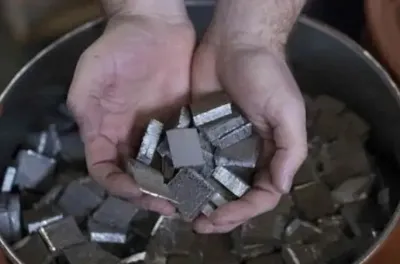
New Delhi, Jan 7 (NationPress) Beyond oil, Venezuela is rich in significant deposits of nickel, iron ore, bauxite, coal, and gold. The nation is now increasingly focusing on lithium, nickel, and rare earth elements as essential resources. A report released on Wednesday highlights that for India, forging deeper investment partnerships in these sectors can enhance long-term supply security for minerals vital for batteries, electric vehicles, and clean energy technologies.
In November 2025, the Venezuelan Government expressed a keen interest in drawing more Indian investment and promoting technical collaboration in mineral exploration and processing, indicating a potential shift in their bilateral investment strategy.
However, the report from Rubix Data Science states that the trajectory of Indian investment will largely hinge on the evolving nature of US policy towards Venezuela, particularly concerning sanctions enforcement and regulatory approvals.
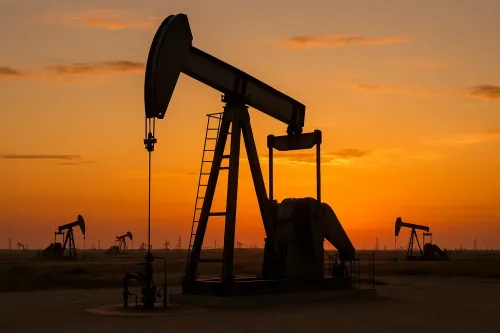
Although India's direct trade with Venezuela has diminished due to sanctions, payment risks, and operational challenges, Indian companies maintain a legacy investment presence, mainly in the oil and gas sector.
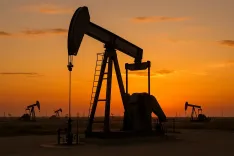
Venezuelan crude oil, which was once a key resource with a 6.7 percent share in FY2018, has dwindled to approximately 0.3 percent during FY2026 (April–October 2025). Shipments have become irregular, even though Indian refiners are capable of processing heavy, high-sulphur grades.
A brief resurgence following the partial relaxation of US sanctions in FY2024–FY2025 provided temporary relief, but heightened compliance, payment, and logistical risks continue to restrict oil flows, according to the report.
In light of the recent US-Venezuela crisis, the broader challenge remains managing geopolitical reliance on crude oil corridors while protecting overseas financial interests.
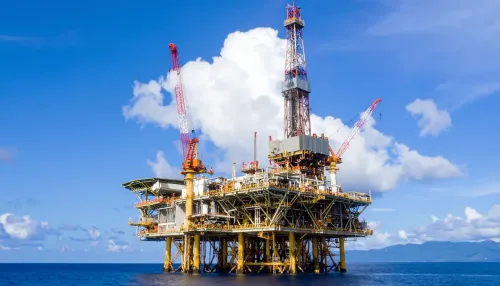
Despite the decline in trade volumes, Indian companies, particularly ONGC Videsh and Indian Oil, have maintained a presence in Venezuelan hydrocarbons with equity stakes in Carabobo heavy-oil projects, alongside limited participation from Reliance, Nayara, and MRPL.
Any shift in policy could directly affect these investments, the report warned.
The report emphasizes that India is increasingly leaning towards suppliers with lower risks and routes conducive to rupee settlements, thereby reducing reliance on sanctioned regimes even when crude oil prices are attractive.
Point of View
It's evident that India's evolving relationship with Venezuela could redefine its energy landscape. The focus on critical minerals reflects a strategic pivot that, if managed wisely, can bolster India's energy security while addressing geopolitical complexities.
NationPress
19 Sept 2026
Frequently Asked Questions
What minerals does Venezuela have?
Venezuela possesses significant reserves of nickel, iron ore, bauxite, coal, and gold, with a growing emphasis on lithium, nickel, and rare earth elements.
Why is India interested in Venezuelan minerals?
India views deeper investment in Venezuela's minerals as a way to ensure long-term supply security for essential resources needed for batteries and clean energy technologies.
What impact do US sanctions have on India-Venezuela relations?
US sanctions create uncertainties that significantly influence Indian investments and trade with Venezuela, affecting the operational landscape for Indian firms.
Which Indian companies are involved in Venezuela?
Key players include ONGC Videsh and Indian Oil, which have equity stakes in projects, along with Reliance, Nayara, and MRPL.
How could policy shifts affect investments?
Any changes in US policy towards Venezuela could directly impact Indian investments in the region, altering the investment landscape significantly.