Are Indians Relying on Poor Quality Protein Sources?
Synopsis
A new study reveals a troubling trend in India’s dietary habits, showing that nearly half of the protein consumed at home comes from low-quality cereals. This reliance emphasizes the need for dietary diversification to ensure better nutrition, especially among lower-income groups.
Key Takeaways
Almost 50% of protein intake in India comes from cereals.
Cereals provide low-quality protein due to their amino acid profile.
Under-consumption of essential food groups like fruits and vegetables is prevalent.
Higher-income households consume almost twice as much fat as lower-income households.
Reforming public food programs is essential for improving dietary diversity.
New Delhi, Dec 10 (NationPress) A recent study reveals that almost half of the protein consumed at home in India is sourced from cereals like rice, wheat, suji, and maida. Protein is essential for the body’s growth, repair, and immune function, and the average daily protein intake in Indian households is 55.6 g.
However, the research conducted by the Council on Energy, Environment and Water (CEEW), a non-profit policy research organization, indicates that cereals contribute nearly 50% of this protein, despite their inferior amino acid profile and low digestibility.
It was also observed that there is under-consumption of many vital food groups such as vegetables, fruits, and pulses, alongside excessive use of cooking oils, salt, and sugar.
“This study sheds light on a significant crisis in India's food ecosystem: a heavy reliance on low-quality proteins, excess caloric intake from cereals and oils, and a stark lack of diverse, nutrient-rich foods,” stated Apoorve Khandelwal, Fellow at CEEW.
“In fact, individuals in the lowest income bracket consume only 2-3 glasses of milk and a mere equivalent of 2 bananas in fruits per week, compared to the 8-9 glasses of milk and 8-10 bananas consumed by those in the highest income bracket. These disparities illustrate the wider inequities in access to balanced diets. Additionally, India's dependence on a limited crop variety for nutrition and income compromises its climate resilience. There is an urgent need for diversification from farm to fork,” she added.
The findings are based on the latest 2023-24 NSSO Household Consumption Expenditure Survey (HCES) dataset.
The data indicates that India's diet is heavily dominated by cereals and cooking oils, both of which contribute to significant nutritional imbalances.
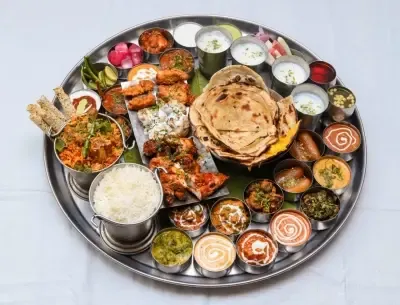
About three-quarters of total carbohydrate intake comes from cereals, and the direct consumption of cereals is 1.5 times the Recommended Dietary Allowance (RDA), bolstered by the easy availability of subsidized rice and wheat through the Public Distribution System (PDS) in lower-expenditure groups.
Remarkably, the consumption of coarse grains like jowar, bajra, and ragi has dropped sharply—nearly 40% in per capita consumption over the last decade—leading to the inadequate intake of just 15% of the recommended amount.
“Simultaneously, the percentage of households consuming more than 1.5 times the recommended fat intake has more than doubled in the past decade, with wealthier households consuming almost double the fat compared to their less affluent counterparts,” the study highlighted.
The research advocates for reforming key public food initiatives—including the PDS, PM POSHAN, and Saksham Anganwadi & POSHAN 2.0—to move away from a cereal-dominant strategy and enhance access to coarse grains, pulses, milk, eggs, fruits, and vegetables.
Point of View
We recognize the significance of dietary habits in shaping public health. This report sheds light on the urgent need to diversify food sources in India, especially for the poorer segments of society. It's crucial that we advocate for balanced diets to improve overall nutrition and health equity across the nation.
NationPress
22 Sept 2026
Frequently Asked Questions
What is the primary source of protein in Indian diets?
Cereals such as rice, wheat, suji, and maida are the primary sources of protein, contributing nearly 50% of the total protein intake at home.
Why are cereals considered low-quality protein sources?
Cereals have a poor amino acid profile and low digestibility, making them less effective as protein sources compared to other foods.
What food groups are under-consumed in India?
Major food groups that are under-consumed include vegetables, fruits, and pulses.
What recommendations does the study make?
The study suggests reforming public food programs to reduce reliance on cereals and to promote access to a more diverse range of foods, including coarse grains, pulses, and vegetables.
How has the consumption of coarse grains changed?
Per capita consumption of coarse grains like jowar, bajra, and ragi has declined by nearly 40% in the last decade.