Is Pakistan’s Food System Overwhelmingly Dominated by Cereals, Sugar, and Fats?

Synopsis
Discover alarming insights from a UN report revealing how Pakistan's food system is heavily skewed towards cereals, sugar, and fats, leading to malnutrition and health crises across the nation. Explore the urgent need for dietary diversity and the government's role in rectifying these imbalances.
Key Takeaways
Excessive reliance on cereals, sugar, and fats in Pakistan's diet.
Significant micronutrient deficiencies due to lack of fruits and vegetables.
Government intervention needed to improve food accessibility.
Rising rates of diabetes and non-communicable diseases nationwide.
Processed food sales have nearly doubled, exacerbating malnutrition issues.
New Delhi, Feb 12 (NationPress) A recent report has revealed that Pakistan's food system is heavily dependent on cereals, sugar, and fats, while lacking in nutritious and diverse food options, according to findings from the United Nations.
The Food and Agriculture Organisation (FAO) highlighted significant structural disparities in food availability that adversely affect nutrition, public health, and long-term development, as reported by Dawn.
“There are considerable deficiencies in the availability of fruits, vegetables, pulses, and legumes, which hampers efforts to combat malnutrition, micronutrient deficiencies, and diet-related diseases,” the report stated.
During the National Results Dissemination Workshop on the Integrated Roadmap for Sustainable Food Systems Transformation in Pakistan, experts called for a strategic reassignment of subsidies by the government to enhance the production and accessibility of nutrient-rich foods.
Although Pakistan's overall food energy availability is considered adequate, the quality of that food does not meet the standards for healthy diets as outlined in the National Food-Based Dietary Guidelines of 2018.
The country’s food supply is marked by a significant excess of cereals, grains, sugar, and edible oils, far surpassing the recommended levels for balanced diets.
This imbalance promotes a cereal-heavy consumption pattern, restricts dietary diversity, and contributes to the increasing prevalence of non-communicable diseases (NCDs), according to the analysis.
Across different regions, grains and cereals are the primary staples, with rural households relying on them more heavily. Milk and dairy products rank as the second most consumed food category nationally, the report noted.
Vegetable consumption remains average, while fruit intake is consistently low, particularly in rural areas, indicating widespread micronutrient gaps. The availability of protein sources beyond dairy is limited, with insufficient consumption of meat, poultry, and eggs. Additionally, pulses do not adequately compensate for protein deficiencies resulting from a lack of animal-based foods.
Rural families consume more free sugar and fats compared to urban households, reflecting a reliance on affordable, energy-dense foods.
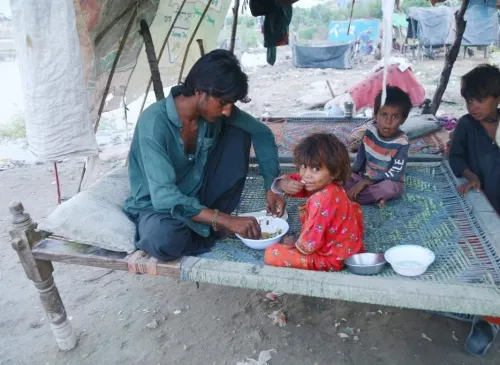
Moreover, the sales of processed foods have nearly doubled in recent years, with poor dietary habits leading to Pakistan facing a dual burden of malnutrition, where undernutrition coexists with rising obesity and diet-related NCDs.
The report references various independent estimates suggesting that 34.5 million people in Pakistan, including one in three adults, suffer from diabetes. NCDs account for 58 percent of all deaths nationwide, with cardiovascular diseases alone claiming nearly 400,000 lives annually.
Point of View
It is imperative to address the concerning reliance of Pakistan's food system on cereals, sugar, and fats. The findings from the UN report highlight a dire need for dietary reforms that can mitigate malnutrition and enhance public health. Our nation must prioritize the diversification of food sources to ensure a healthier future for all citizens.
NationPress
3 Oct 2026
Frequently Asked Questions
What are the main issues with Pakistan's food system?
Pakistan's food system is primarily dominated by cereals, sugar, and fats, leading to malnutrition and a lack of dietary diversity.
How does the food imbalance affect public health?
The reliance on unhealthy food sources contributes to increased rates of non-communicable diseases and micronutrient deficiencies among the population.
What solutions are proposed to address these issues?
Experts recommend a strategic reallocation of government subsidies to enhance the availability and accessibility of nutrient-rich foods.