India's Vital Role in Advancing Africa's Renewable Energy Quest
Synopsis
Discover how India, with its impressive renewable energy achievements, can empower Africa's transition to sustainable energy. The potential for collaboration is immense as both regions strive towards cleaner power solutions.
Key Takeaways
India has integrated over 130 gigawatts of renewable energy.
600 million Africans still lack electricity.
Africa's mineral wealth is critical for global clean energy.
India's experience in auctions and policies can guide Africa.
Collaboration can lead to a sustainable energy future for both regions.
New Delhi, April 16 (NationPress) India is poised to significantly contribute to Africa's renewable energy ambitions, having successfully integrated over 130 gigawatts of solar and wind energy into its grid over the past decade. Presently, renewable sources comprise just over half of the nation’s total installed electricity capacity, as highlighted in a recent article.
For Africa, the transition to clean energy is not merely a policy objective; it is a tangible effort to harness solar, wind, and mineral resources to power hospitals, irrigate farms after dark, and enable factories to operate beyond the limitations of costly diesel generators, according to the article by India Narrative.
The piece notes that despite the fact that 600 million people in Africa lack electricity, progress is being made with an increase in access rates and numerous renewable energy initiatives underway. The potential for India to share its technological expertise and institutional knowledge to facilitate this transition is immense.
“India’s success has stemmed from competitive auctions, clear governmental policies, and an emphasis on distributed solar solutions that benefit rural households and small town grids. African nations can adopt these lessons—such as transparent tenders, stable tariffs, and a robust domestic engineering foundation—while customizing the regulatory framework to local contexts,” explains Zuri Amondi in the article.
Africa is endowed with some of the highest levels of solar radiation globally, and between 2020 and 2025, African governments and private entities have pledged about 25 gigawatts of renewable capacity. An additional 11 gigawatts have been secured through private sector agreements, with solar now constituting the majority of new capacity. Moreover, in numerous African nations, the cost of new solar energy is lower than that of constructing new gas-fired power plants, especially when considering transmission and fuel price fluctuations.
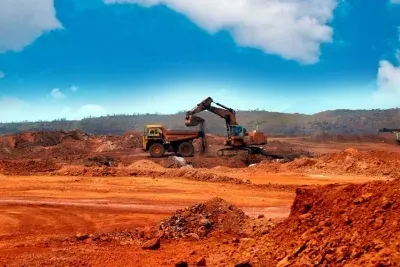
The article also emphasizes Africa's pivotal role in the global clean energy supply chain, given its rich deposits of essential minerals. The continent holds a significant proportion of the world’s cobalt, copper, manganese, platinum group metals, and an increasing share of lithium—key components for batteries, electrolysers, and wind turbines, allowing Africa to engage actively in the global industrial economy.
Furthermore, Indian energy companies have begun sharing their expertise with African partners on grid modernization, energy storage, and the incorporation of variable renewables. For instance, the Power Grid Corporation of India has collaborated with Africa50 and other African organizations on transmission initiatives aimed at pooling solar and wind resources across borders, thereby decreasing dependence on isolated fossil fuel facilities.
“India can assist by enhancing patient financing, imparting critical insights on grid integration and solar irrigation systems, and endorsing African-led regulations for value addition in critical minerals. When these aspects align under strong African institutions and transparent agreements, the India–Africa renewable energy collaboration has the potential to set a benchmark for how two large, developing regions can foster growth, resilience, and cleaner energy together,” the article concludes.
Point of View
India's role in supporting Africa's renewable energy initiatives is not only a testament to its growing influence but also highlights the importance of international collaboration in addressing global energy challenges.
NationPress
16 Sept 2026
Frequently Asked Questions
What renewable energy capacity has India added recently?
India has added over 130 gigawatts of solar and wind capacity in the last decade.
How many people in Africa lack electricity?
Approximately 600 million people in Africa still do not have access to electricity.
What minerals does Africa contribute to global clean energy?
Africa is rich in cobalt, copper, manganese, platinum group metals, and lithium, essential for clean energy technologies.
What lessons can Africa learn from India's renewable energy expansion?
Africa can adopt India's competitive auction strategies, clear policy signals, and focus on distributed solar systems.
How can India help Africa's renewable energy initiatives?
India can provide technology transfer, patient financing, and expertise in grid modernization and solar energy integration.