India Develops a Strong, Tech-Driven Animal Health Framework
Synopsis
Discover how India is revolutionizing its animal health sector with advanced technology and a focus on eradicating diseases like FMD and PPR under the One Health initiative.
Key Takeaways
India is advancing a technology-driven animal health ecosystem.
Focus on eradicating diseases like FMD and PPR.
Significant vaccination achievements with over 133 crore doses.
Integration of digital platforms for transparency in vaccination.
Emphasis on regulatory reforms for veterinary drugs.
New Delhi, April 17 (NationPress) On Friday, the Indian government showcased its advancements in establishing a strong, technology-centric animal health ecosystem as part of the One Health initiative.
The government stressed the transition from merely controlling diseases to fully eradicating them, with a specific focus on Foot and Mouth Disease (FMD) and Peste des Petits Ruminants (PPR).
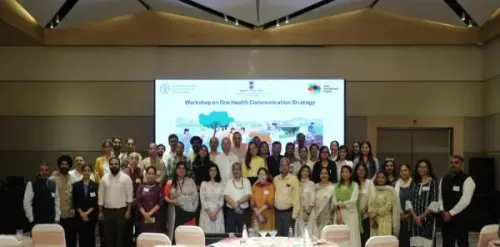
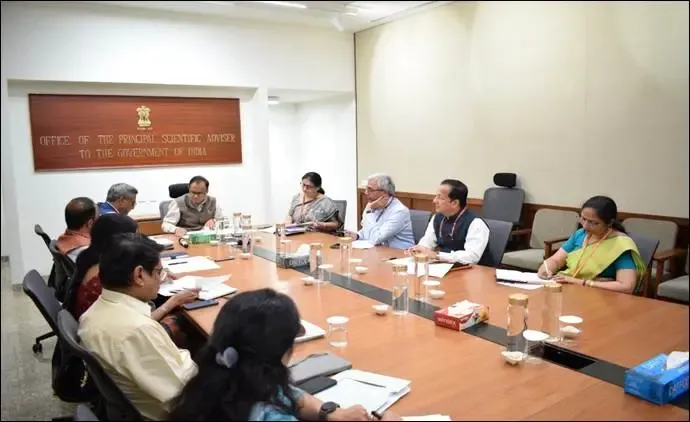
During the 10th session of the Empowered Committee for Animal Health (ECAH), Naresh Pal Gangwar, Secretary of DAHD, highlighted enhancements in vaccination distribution and verification via digital platforms like NDLM and Bharat Pashudhan, fostering greater transparency and accountability.
At this meeting, Dr. Naveena B. Maheswarappa, the Animal Husbandry Commissioner, presented an in-depth overview of the department's significant accomplishments and future directions.
The committee assessed the advancements in vaccination initiatives, regulatory improvements, laboratory enhancements, and surveillance methodologies.
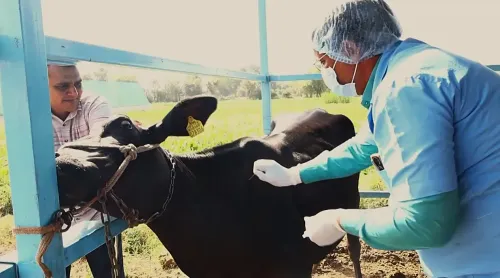
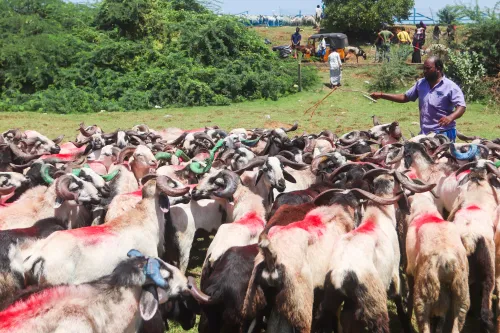
Committee members were also informed about the success of disease control programs, which have seen over 133 crore vaccinations against Foot and Mouth Disease (FMD) administered since 2020, resulting in a marked decline in disease occurrences and outbreaks.
Moreover, the occurrences of Peste des Petits Ruminants (PPR) have dropped from 98 in 2019 to 29 in 2025, thanks to ongoing nationwide vaccination campaigns.
“The enhancement of laboratory facilities, including Central and Regional Disease Diagnostic Laboratories, has been pivotal in supporting disease monitoring and diagnostics under the Pandemic Fund project,” an official statement revealed.
In terms of regulatory advancements, the Committee welcomed strategies to hasten the approval process for veterinary medications and vaccines through procedural reforms and integration with the NANDI-SUGAM portal, which has greatly diminished processing durations.
Additionally, the Department is making strides towards creating a national framework for animal feed regulation to fill current legislative voids. The Committee also stressed the importance of expanding WOAH-compliant compartmentalization in the poultry sector to reinforce biosecure production systems and boost export capabilities.
Key priorities identified by the committee included preparedness for exotic strains of FMD and African Swine Fever, mapping veterinary infrastructure on the NDLM portal to identify essential gaps, and executing a national mock drill focused on animal disease readiness.
Point of View
The initiatives highlighted by the government reflect a proactive approach to animal health, emphasizing disease eradication and technological integration, which are vital for future food security and economic stability.
NationPress
19 Sept 2026
Frequently Asked Questions
What is the One Health framework?
The One Health framework is an approach that recognizes the interconnectedness of human, animal, and environmental health, advocating for comprehensive strategies to address health issues.
How many vaccinations have been administered against FMD?
Since 2020, over 133 crore vaccinations against Foot and Mouth Disease (FMD) have been administered.
What is the significance of the NDLM and Bharat Pashudhan platforms?
These digital platforms enhance vaccination delivery and verification, promoting transparency and accountability in the animal health sector.
Why is the expansion of WOAH-compliant compartmentalisation important?
It strengthens biosecure production systems and enhances the export potential of poultry products.
What diseases are the focus of India's eradication efforts?
The primary focus is on eradicating Foot and Mouth Disease (FMD) and Peste des Petits Ruminants (PPR).