How Can Infosys’ Nandan Nilekani Encourage Meaningful AI Use Cases to Prevent Backlash?
Synopsis
At the recently held India AI Impact Summit, Infosys' co-founder Nandan Nilekani stressed the urgent need for stakeholders to showcase meaningful AI applications to prevent significant public backlash. He highlighted the dual nature of AI development and the responsibility of all involved to ensure its positive impact on society.
Key Takeaways
Urgent Action Required: Stakeholders must showcase meaningful AI applications.
Potential Backlash: Neglecting responsibility could lead to public discontent.
Focus on Practical Solutions: Addressing real-world issues is essential.
Collaborative Efforts: Building trust and partnerships is crucial.
India's Leadership: India is well-positioned to lead in AI innovation.
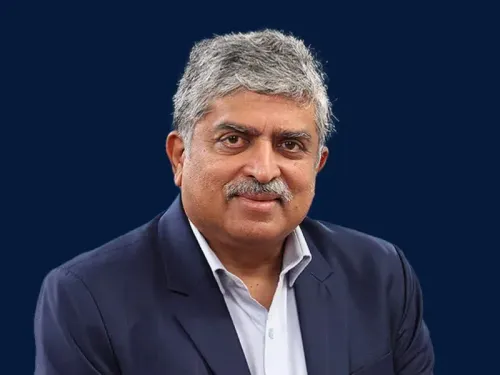
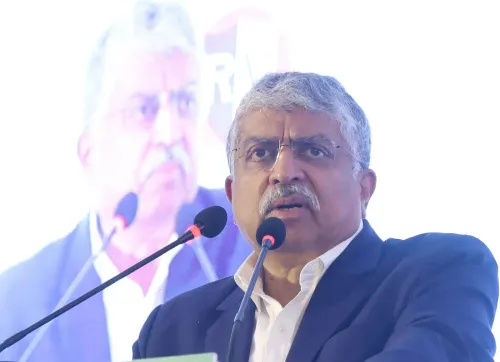
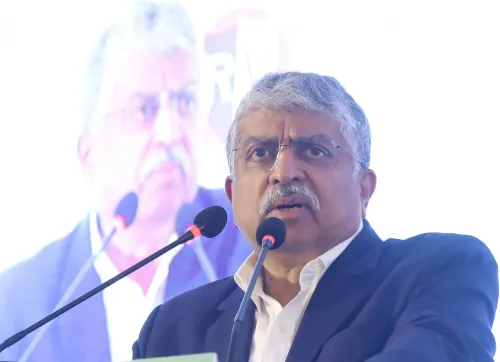
New Delhi, Feb 19 (NationPress) At the India AI Impact Summit, Infosys Co‑founder Nandan Nilekani called on all stakeholders to urgently showcase significant applications of artificial intelligence and promote its responsible integration. He cautioned that neglecting this responsibility could trigger a public backlash.
Nilekani remarked that the current landscape of AI development reflects both a “race to the top and a race to the bottom,” with the latter progressing at a quicker pace. “Everyone involved in ensuring AI serves humanity must hasten our efforts for effective dissemination. If we fail, the repercussions could be severe, leading to backlash,” he cautioned.
He stressed that if AI were to primarily result in deep fakes or increased utility costs, it could arouse public discontent: “The discontent among blue-collar workers contributed to the downfall of globalization, and a similar resentment among white-collar workers could precipitate a crisis in AI,” Nilekani asserted.
Nilekani emphasized that initiatives should focus on addressing practical user issues, such as increasing healthcare access for a billion individuals.
“Technology is merely one component of the solution. It involves institutions, trust-building, negotiations, and establishing guardrails while collaborating with various stakeholders to align with a shared vision. Achieving effective dissemination is challenging,” he noted.
He highlighted India's successful large-scale implementation of digital technologies like UPI and Aadhaar, asserting that the country is aptly positioned to “lead the way.”
“We can forge one or multiple pathways towards that objective, demonstrating it to the world,” he stated.
On Thursday, Prime Minister Narendra Modi arrived at the AI India Summit to welcome global leaders to the event. The summit is expected to draw over 500 AI leaders, including 100 CEOs and founders, 150 academics and researchers, and 400 CTOs, VPs, and philanthropists. More than 20 heads of state and government, along with approximately 60 ministers and vice ministers, will participate, fostering unprecedented discussions on the transformative potential of AI.
aar/
Point of View
I believe that Nilekani's emphasis on responsible AI development is crucial. With prominent figures like Prime Minister Modi present, the dialogue surrounding AI's future is more important than ever. We must prioritize ethical considerations to harness AI's potential for the greater good, ensuring it serves humanity rather than creating divides.
NationPress
19 Sept 2026
Frequently Asked Questions
What did Nandan Nilekani emphasize at the AI Impact Summit?
Nandan Nilekani urged stakeholders to urgently demonstrate meaningful applications of AI and ensure its responsible integration to avoid public backlash.
What risks did Nilekani highlight regarding AI development?
He warned that if AI only results in negative outcomes like deep fakes or increased costs, it could lead to public resentment similar to past economic crises.
How does Nilekani suggest addressing AI's challenges?
He believes efforts should focus on practical user problems, such as expanding access to healthcare for a billion people.
What role does technology play in Nilekani's vision?
Nilekani stated that technology is just one piece of the puzzle, emphasizing the importance of institutions, trust, and collaboration.
What successes did Nilekani cite as examples for India's potential in AI?
He mentioned India's large-scale diffusion of digital technologies like UPI and Aadhaar as indicative of the country's capability to lead in AI.