Kerala's AI-powered flood shield: IIT experts pitch resilience plan
Synopsis
Kerala is betting on AI, satellite tech, and hydrodynamic modelling to get ahead of its next flood disaster — a framework built by IIT Roorkee, IIT Palakkad, and IIIT Kottayam and presented directly to the Chief Minister. If it clears departmental review within a month, it could become the most advanced state-level flood resilience system in India.
Key Takeaways
Kerala has proposed the Kerala Flood Resilience Initiative , a technology-driven flood prediction and disaster management system.
A joint expert team from IIT Roorkee , IIT Palakkad , and IIIT Kottayam presented the preliminary framework to Chief Minister V.D.
Satheesan on 14 August .
The system would integrate AI, Machine Learning, remote sensing, hydrodynamic modelling , and high-precision rainfall forecasting.
Experts cautioned that river desilting must be scientifically assessed before implementation — not carried out mechanically.
The Water Resources and Disaster Management departments have been given one month to submit a feasibility and implementation report.
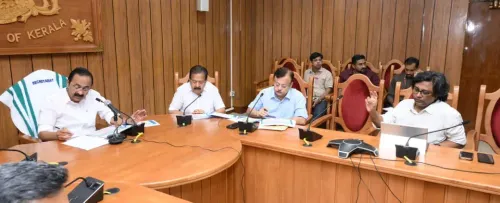
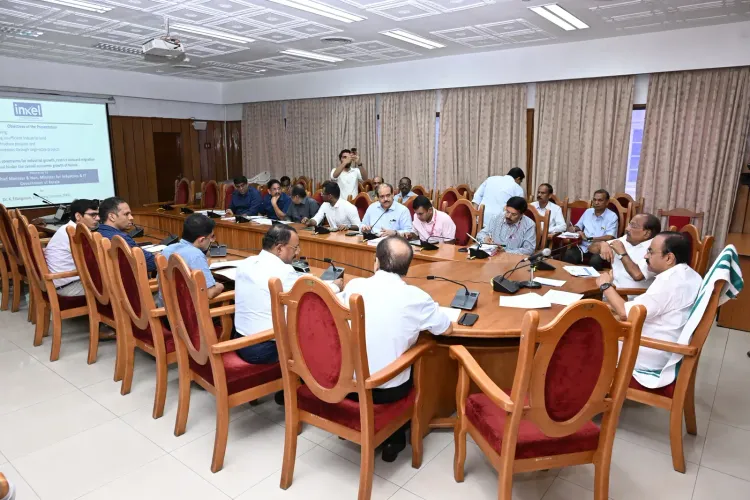
The Kerala government is moving to deploy a technology-first defence against floods and climate disasters, with a proposed Kerala Flood Resilience Initiative that would harness artificial intelligence, satellite imagery, and high-precision rainfall forecasting to anticipate disasters before they strike. The proposal was presented before Chief Minister V.D. Satheesan on Friday, 14 August, at a high-level meeting in Thiruvananthapuram.
What the Initiative Proposes
A joint expert team from IIT Roorkee, IIT Palakkad, and IIIT Kottayam has submitted a preliminary framework for the system. The proposed platform would integrate Artificial Intelligence, Machine Learning, remote sensing, hydrodynamic modelling, and high-precision rainfall forecasting to map flood-vulnerable zones and deliver more accurate early warnings.
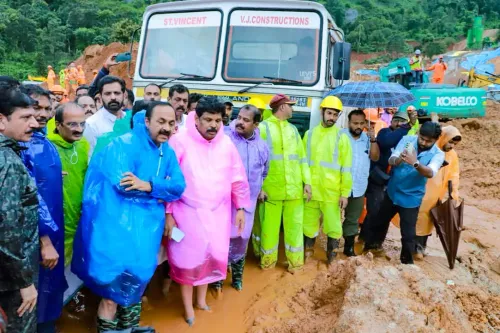
The initiative is designed to address Kerala's increasingly complex disaster profile — covering extreme rainfall, urban flooding, riverine floods, landslides, and mudslides. Crucially, the system aims to shift the state from a reactive, post-disaster response model to one built on prediction, prevention, and preparedness.
The Desilting Question
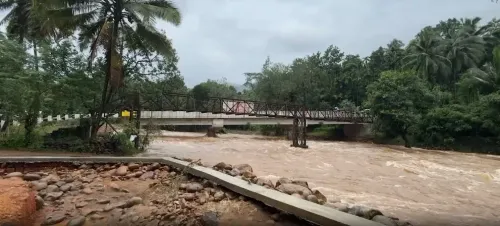
One of the more consequential recommendations in the framework concerns the removal of accumulated silt and sediment from rivers, lakes, and backwaters. However, the IIT experts have cautioned against mechanical desilting, arguing that the impact on natural water flow and the broader environment must be scientifically assessed before any such work begins. This is a notable departure from the ad hoc desilting drives that have periodically been announced — and contested — in the state.
Government's Next Steps
Chief Minister Satheesan has directed the Water Resources and Disaster Management departments to jointly examine the proposal, evaluating its technical feasibility, financial requirements, and implementation mechanism. The two departments have been given one month to submit a detailed report, after which the state government will decide on the path forward.
Why Kerala Needs This Now
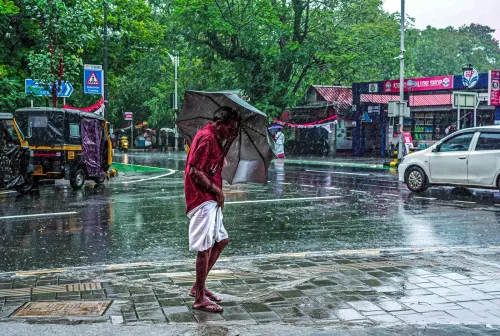
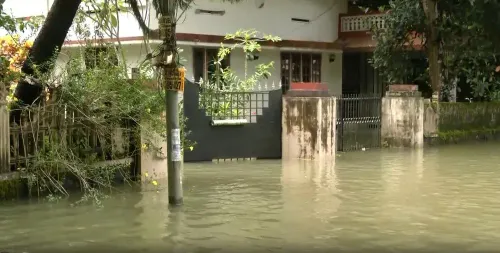
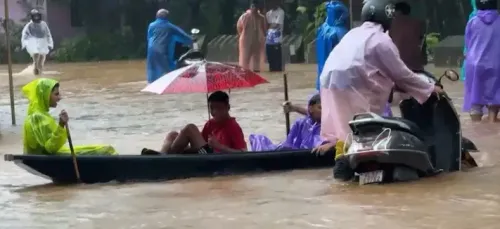
Kerala's vulnerability to extreme weather has intensified sharply over the past decade. Intense rainfall events have repeatedly triggered urban waterlogging, river flooding, and landslides — most devastatingly in 2018 and 2019, when the state suffered two of its worst flood seasons in a century. The proposed initiative, if implemented, could eventually serve as a replicable model for other flood-prone Indian states. How quickly the departments translate the framework into an actionable plan will determine whether this remains an ambitious proposal or becomes a functioning system ahead of the next monsoon cycle.
Point of View
But the involvement of three premier technical institutions in a single framework signals a more serious institutional commitment than past efforts. The critical variable is the one-month departmental review — a timeline that has historically stretched in Indian state bureaucracies. The desilting caveat is also telling: IIT experts pushing back against politically popular but ecologically risky interventions suggests the framework prioritises scientific rigour over optics. Whether the government holds that line when implementation pressures mount will be the real test of this initiative's integrity.
NationPress
14 Aug 2026
Frequently Asked Questions
What is the Kerala Flood Resilience Initiative?
It is a proposed technology-driven disaster management system for Kerala that uses artificial intelligence, satellite imagery, machine learning, and hydrodynamic modelling to predict floods and deliver early warnings. The framework was developed by experts from IIT Roorkee, IIT Palakkad, and IIIT Kottayam and presented to Chief Minister V.D. Satheesan on 14 August.
Which institutions are behind the flood resilience framework?
A joint expert team from IIT Roorkee, IIT Palakkad, and IIIT Kottayam submitted the preliminary framework to the Kerala government. Their proposal covers AI-based flood prediction, remote sensing, and high-precision rainfall forecasting.
What has the Kerala government decided so far?
Chief Minister V.D. Satheesan has directed the Water Resources and Disaster Management departments to jointly assess the proposal's technical feasibility, financial requirements, and implementation plan. The departments have one month to submit a detailed report before the government decides on next steps.
Why are IIT experts cautious about river desilting?
The IIT experts have recommended that desilting of rivers, lakes, and backwaters should not be carried out mechanically. They argue that the environmental impact on natural water flow must be scientifically evaluated first, to avoid unintended ecological damage.
Why does Kerala need an AI-based flood system?
Kerala has faced increasingly severe flood events, including devastating seasons in 2018 and 2019. The state's current disaster management model is largely reactive. The proposed initiative aims to shift that to a prediction- and prevention-first approach, and could serve as a model for other flood-prone Indian states.