CM Conrad Sangma inaugurates Ri Sai textile tourism complex in Meghalaya
Synopsis
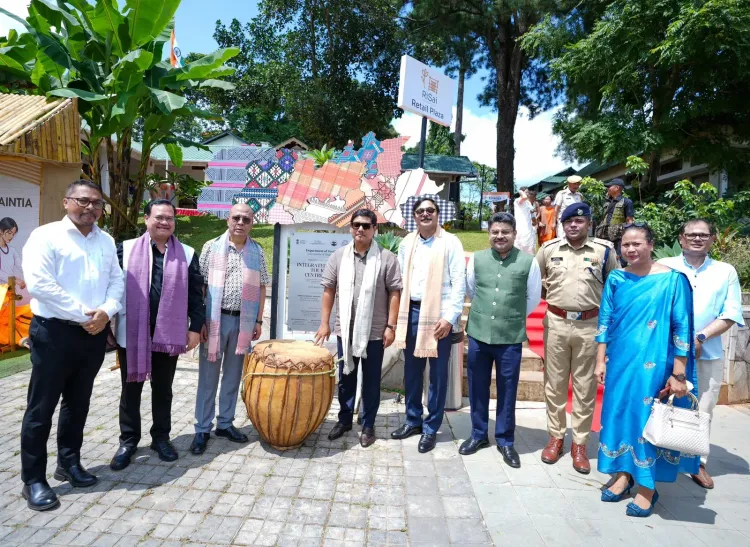
Meghalaya CM Conrad Sangma inaugurated the Integrated Textile Tourism Complex at Ri Sai, Nongpoh on National Handloom Day, opening a Centre of Excellence for Eri (Ahimsa) silk weaving with training, retail and hospitality facilities, positioning Ri Bhoi as a hub for indigenous textile traditions.
Key Takeaways
CM Conrad Sangma inaugurated the Integrated Textile Tourism Complex at Ri Sai, Nongpoh on National Handloom Day, 7 August .
The complex includes a Centre of Excellence for Eri weaving , an Ahimsa Silk training and design centre, restaurant, cottages and a retail plaza.
Eri (Ahimsa) silk is produced without harming the silkworm, making it unique to the Northeast and ethically differentiated in global markets.
Umden-Diwon and Ri Bhoi district are now positioned as Meghalaya's hub for indigenous textile traditions.
The initiative involves coordination with the Union Ministry of Textiles and Minister Giriraj Singh .
National Handloom Day has been observed on 7 August every year since 2015 , honouring the Swadeshi movement.
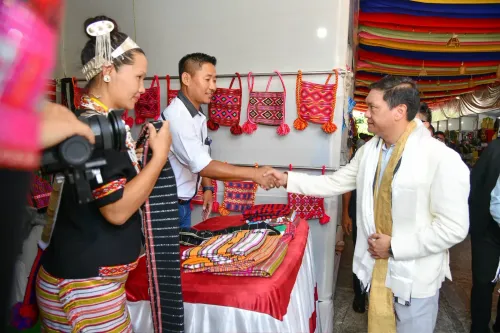
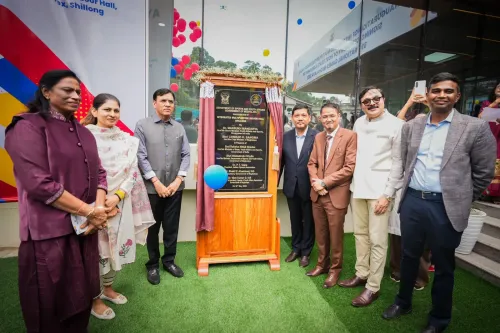
On the eve of Independence Day, Meghalaya Chief Minister Conrad Sangma turned National Handloom Day into something tangible — walking among weavers, spinners and silk rearers at the newly inaugurated Integrated Textile Tourism Complex at Ri Sai, Nongpoh, and opening a facility designed to keep a centuries-old craft alive for the next generation.
What opened at Ri Sai on National Handloom Day
At the heart of the complex is a Centre of Excellence focused on Eri weaving — the indigenous silk tradition of Ri Bhoi district. The centre houses an Ahimsa Silk training and design facility, along with a restaurant, cottages and a retail plaza, bringing craft, cuisine, culture, trade and tourism onto a single campus. CM Sangma described it as a 'living celebration of Meghalaya's rich heritage,' with Umden-Diwon and Ri Bhoi now positioned as a dedicated hub for the state's indigenous textile traditions.
Why Eri silk is worth a dedicated centre
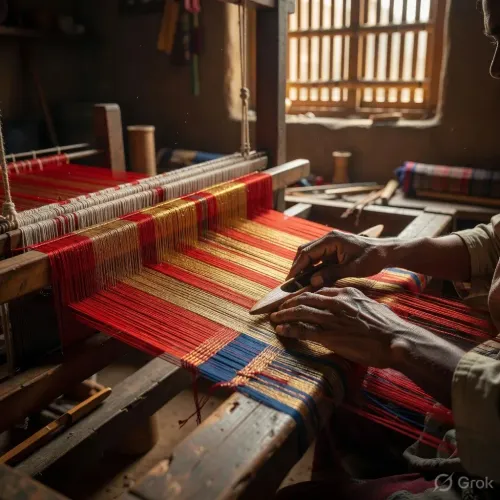
Eri silk — also called Ahimsa silk — is distinctive for its non-violent production method: the silkworm is allowed to emerge from the cocoon before the thread is spun, unlike conventional sericulture. This makes it unique to the Northeast, ethically differentiated in global markets, and deeply woven into the cultural identity of communities in Ri Bhoi. Preserving the skill chain — from rearing to spinning to weaving to design — requires structured training, which is precisely what the new centre is built to deliver.
The national frame: Handloom Day and Centre's policy backing
National Handloom Day, observed every 7 August since 2015, was instituted by the Government of India to honour the handloom sector and its connection to the Swadeshi movement. CM Sangma's post tagged Union Textiles Minister Giriraj Singh and the Ministry of Textiles, signalling active coordination between the state and the Centre on this initiative. The Ri Sai complex fits squarely into a broader pattern of integrating handloom clusters with tourism infrastructure across Northeast states — a model that links artisan livelihoods to visitor footfall and retail revenue, reducing dependence on any single market channel.
The Chief Minister closed with a direct commitment: 'As a Government we will continue to support our weavers and ensure their art continues and thrives.' The next test is whether the Centre of Excellence's training programmes scale meaningfully and whether weaver clusters across Ri Bhoi see measurable income gains — the real measure of whether Ri Sai becomes a model or a monument.
Point of View
Not just ceremonially celebrated. The tagging of the Union Textiles Ministry signals that this is a jointly owned initiative, which matters for sustained funding beyond a single election cycle. For the NPP government, visible investment in indigenous craft in a district like Ri Bhoi also carries political resonance in a state where community identity and livelihood are tightly linked. The real test, however, is whether training throughput and weaver incomes move — or whether the complex becomes a well-appointed showcase without structural change.
NationPress
28 Sept 2026
Frequently Asked Questions
What is the Integrated Textile Tourism Complex at Ri Sai, Nongpoh?
It is a multi-facility campus in Nongpoh, Ri Bhoi district, Meghalaya, inaugurated by CM Conrad Sangma on National Handloom Day 2026. It houses a Centre of Excellence for Eri silk weaving, an Ahimsa Silk training and design centre, a restaurant, cottages and a retail plaza.
What is Eri silk or Ahimsa silk?
Eri silk, also called Ahimsa (non-violent) silk, is produced by allowing the silkworm to emerge from the cocoon naturally before the thread is spun. It is indigenous to Northeast India, particularly Meghalaya, and is ethically differentiated from conventional silk in global markets.
When is National Handloom Day observed and why?
National Handloom Day is observed on 7 August every year since 2015, instituted by the Government of India to honour handloom weavers and commemorate the Swadeshi movement launched on the same date in 1905.
What is Umden-Diwon known for in Meghalaya?
Umden-Diwon, located in Ri Bhoi district, is known as a cluster for Eri silk weaving and is now being developed as a hub for Meghalaya's indigenous textile traditions through the Ri Sai complex.
Which central ministry is involved in the Ri Sai textile complex?
The Union Ministry of Textiles is involved, as indicated by CM Conrad Sangma tagging Minister Giriraj Singh and the Ministry in his post announcing the inauguration.