Chinese archaeologist who found 5,000-year-old city guilty of bribery
Synopsis
Liu Bin, the archaeologist who discovered the 5,000-year-old Liangzhu city and guided its UNESCO listing, pleaded guilty on May 20 to accepting bribes of 4.65 million yuan — a stunning fall for one of China's most celebrated cultural heritage figures.
Key Takeaways
Liu Bin , discoverer of the Liangzhu prehistoric city in Zhejiang province , pleaded guilty to bribery and embezzlement at a May 20, 2026 court hearing.
He admitted to accepting bribes totalling approximately 4.65 million yuan ( US$685,900 ) between 2009 and 2021 .
He was also accused of siphoning 300,000 yuan in research funding and inflating project costs linked to the Liangzhu civilisation .
His defence confirmed he returned the full 4.9 million yuan in ill-gotten funds and voluntarily confessed.
The Liangzhu site is a UNESCO World Heritage Site and is considered pivotal evidence of a sophisticated civilisation predating the Xia dynasty .
Liu Bin, the Chinese archaeologist credited with uncovering the Liangzhu prehistoric city — a UNESCO World Heritage Site that reshaped understanding of early Chinese civilisation — pleaded guilty to bribery and embezzlement charges at a court hearing in Zhejiang province on May 20, 2026. The case marks a dramatic fall for one of China's most celebrated figures in archaeology and cultural heritage.
The Charges Against Liu Bin
Prosecutors accused Liu of exploiting his institutional authority to help specific organisations and individuals secure and execute contracts for cultural relics protection and archaeological survey projects between 2009 and 2021, according to reports citing news outlet Southern Weekly. The Zhejiang University professor and former director of the Zhejiang Provincial Institute of Cultural Relics and Archaeology admitted to accepting bribes totalling approximately 4.65 million yuan (US$685,900).
He was additionally accused of inflating project costs tied to the Liangzhu civilisation research and siphoning off 300,000 yuan in research funding during his tenure as institute director.
Why It Matters
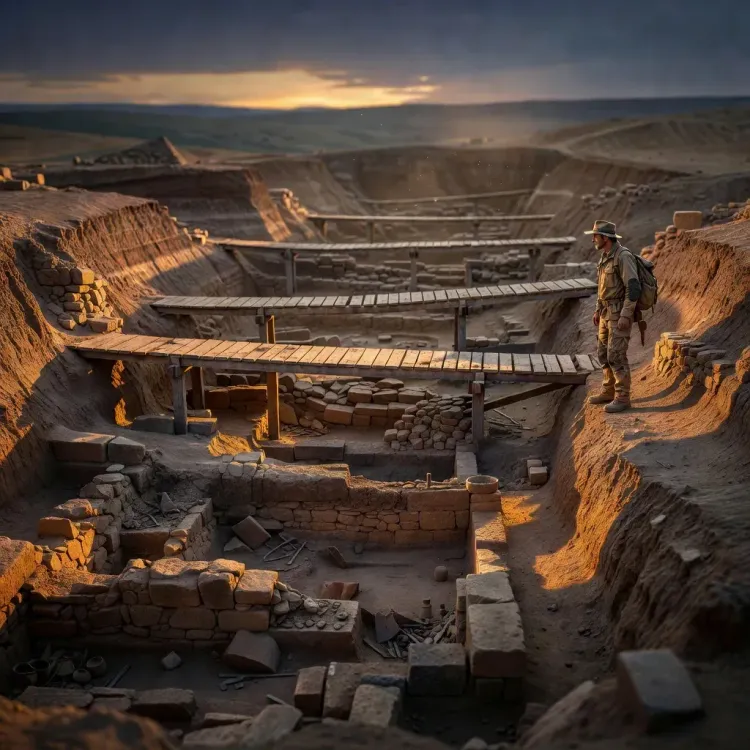
The Liangzhu ruins, located in eastern China's Zhejiang province, are considered among the most significant archaeological finds of the modern era. The site, dating back roughly 5,000 years, provided evidence of a sophisticated prehistoric civilisation predating the traditionally recognised Xia dynasty, fundamentally altering the historical timeline of Chinese statehood. Liu was the central figure in both its excavation and its successful nomination to UNESCO World Heritage status.
The corruption allegations therefore carry weight beyond personal misconduct — they cast a shadow over the stewardship of a site considered a cornerstone of national cultural identity.
Defence Arguments and Restitution
During the trial, Liu's defence team argued that he had voluntarily confessed, demonstrated genuine remorse, and returned the full 4.9 million yuan received through both bribery and embezzlement, according to Southern Weekly's reporting. The defence characterised his attitude throughout proceedings as cooperative and repentant.
No verdict or sentencing details were immediately available following the May 20 hearing.
The Broader Pattern of Heritage Sector Accountability
China has intensified anti-corruption enforcement across state-linked institutions in recent years, and the cultural relics and heritage sector has not been exempt. Cases involving the misuse of public funds tied to prestige archaeological projects have drawn particular scrutiny given the scale of government investment in heritage tourism and national identity initiatives.
The outcome of Liu Bin's sentencing will be closely watched by academics, heritage administrators, and anti-corruption observers across the region.
Point of View
But the deeper story is institutional — how prestige archaeological projects generate substantial contract flows with limited oversight. Beijing's anti-corruption drive has reached deep into cultural institutions, yet the sector's opacity around project tendering remains largely unaddressed. Whether this case prompts systemic reform of heritage procurement, or remains an isolated prosecution, will determine its long-term significance.
NationPress
14 Oct 2026
Frequently Asked Questions
Who is Liu Bin and what did he discover?
Liu Bin is a Zhejiang University professor and former director of the Zhejiang Provincial Institute of Cultural Relics and Archaeology who is credited with discovering the Liangzhu prehistoric city — a roughly 5,000-year-old site in Zhejiang province that became a UNESCO World Heritage Site and reshaped the understood timeline of Chinese civilisation .
What charges did Liu Bin plead guilty to?
Liu Bin pleaded guilty to accepting bribes totalling approximately 4.65 million yuan ( US$685,900 ) and embezzling 300,000 yuan in research funding. He was also accused of inflating project costs related to the Liangzhu civilisation during his time as institute director.
When did Liu Bin's corruption trial take place?
The court hearing took place on May 20, 2026 in Zhejiang province , China . The alleged misconduct spanned the period between 2009 and 2021 .
Did Liu Bin return the money he took?
Yes. According to his defence team, Liu Bin returned the full 4.9 million yuan received through bribery and embezzlement. His lawyers also said he voluntarily confessed and showed deep repentance during proceedings.
Why is the Liangzhu site historically significant?
The Liangzhu ruins are approximately 5,000 years old and provided evidence of a sophisticated prehistoric civilisation that predates the traditionally recognised Xia dynasty . The site was awarded UNESCO World Heritage status and is regarded as a foundational reference point in the study of early Chinese civilisation .