Experts Warn of Liver Damage in India's Youth from Energy Drink Overconsumption
Synopsis
Health professionals in India are sounding the alarm over increasing liver damage among youth due to excessive energy drink consumption. With alarming early signs of liver disease surfacing, experts urge awareness of the hidden dangers of these beverages, especially when mixed with alcohol.
Key Takeaways
Excessive energy drink consumption is linked to liver damage in youth.
High levels of caffeine and sugar in these drinks can impair liver function.
Mixing energy drinks with alcohol poses additional health risks.
Non-alcoholic fatty liver disease (NAFLD) is becoming increasingly common among young adults.
Awareness and education on the risks associated with energy drinks are essential.
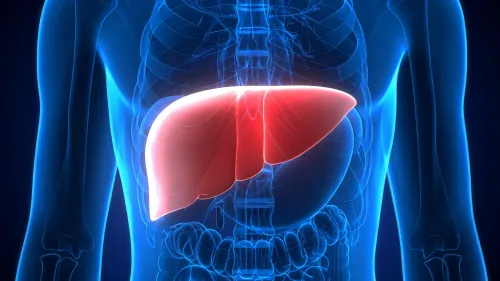
New Delhi, April 19 (NationPress) On the occasion of 'World Liver Day', leading health professionals have raised alarms regarding the increasing prevalence of liver damage linked to the heavy consumption of energy drinks among the youth in India. Doctors have observed a troubling trend, noting that young individuals are presenting early signs of liver disease at unprecedented rates.
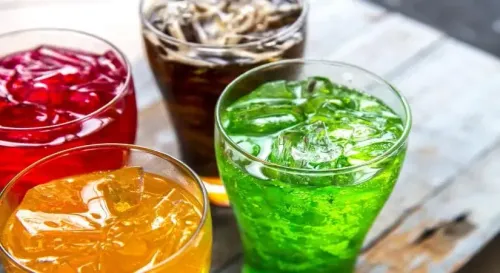
These energy drinks are marketed vigorously to young audiences as enhancers of performance and fatigue relievers. However, they often contain caffeine levels that far exceed recommended daily limits, alongside other ingredients like taurine and herbal stimulants, which require the liver to metabolize.
Over time, this overload of biochemical substances can lead to a significant impairment of liver function, according to medical experts.
Additionally, the growing trend of mixing energy drinks with alcohol has been flagged by doctors. The stimulating effects of caffeine can mask the depressant effects of alcohol, potentially causing individuals to consume more alcohol than intended.
“Three major factors contributing to liver dysfunction are energy drinks, alcohol, and high-sugar beverages. Alcohol remains a leading cause of liver disease, while sugary drinks are a contributing factor to fatty liver disease,” stated Dr. Abhideep Chaudhary, President of the Liver Transplantation Society of India (LTSI), New Delhi.
He also mentioned that if liver damage escalates beyond a certain threshold, a liver transplant may become the only viable life-saving solution.
A case documented in the journal BMJ Case Reports highlighted acute hepatitis in a previously healthy person tied to excessive energy drink consumption, which resulted in elevated levels of niacin (Vitamin B3), known for its hepatotoxic properties.
Research has shown that the high sugar content, caffeine, and chemical additives found in energy drinks can lead to fat accumulation in liver cells, oxidative stress, and inflammation.
These elements can collectively result in liver injury over time. Experts warn that regular consumption, especially when combined with alcohol or unhealthy diets, significantly heightens the risk of developing non-alcoholic fatty liver disease (NAFLD).
Studies indicate that close to 25-30% of the urban population may be affected by non-alcoholic fatty liver disease, with an increasing number of adolescents and young adults being diagnosed.
“We are witnessing a demographic shift in liver disease, with a rising number of patients aged 20-30 reporting conditions that were once primarily seen in older individuals. Many young people are unaware of the associated risks and regard these beverages as a normal part of their lifestyle,” remarked Dr. Neerav Goyal, President-Elect of the Liver Transplantation Society of India (LTSI) and Head of Liver Transplant, Hepatobiliary and Pancreatic Surgery at Indraprastha Apollo Hospital.
Point of View
The alarming rise of liver damage among India's youth due to energy drink consumption is troubling. This trend underscores the need for greater awareness and education regarding the potential health risks associated with these beverages, especially as they become increasingly popular within this demographic.
NationPress
18 Sept 2026
Frequently Asked Questions
What are the main health risks associated with energy drinks?
Energy drinks can lead to liver damage, especially when consumed excessively or combined with alcohol, due to high caffeine and sugar content.
Is mixing energy drinks with alcohol safe?
No, mixing energy drinks with alcohol can mask the effects of alcohol, leading to increased consumption and a higher risk of liver damage.
What is non-alcoholic fatty liver disease (NAFLD)?
NAFLD is a condition characterized by the accumulation of fat in liver cells, which can lead to inflammation and liver injury over time.
How prevalent is liver disease among young people in India?
Recent studies suggest a demographic shift, with a growing number of young individuals aged 20-30 experiencing conditions previously seen in older populations.
What should young people do to protect their liver health?
Young people should limit their intake of energy drinks, be cautious about mixing them with alcohol, and maintain a balanced diet to support liver health.