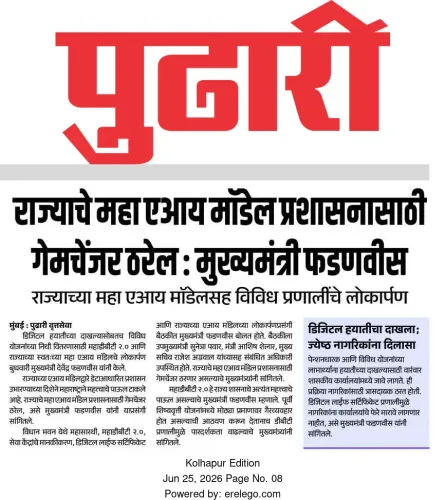
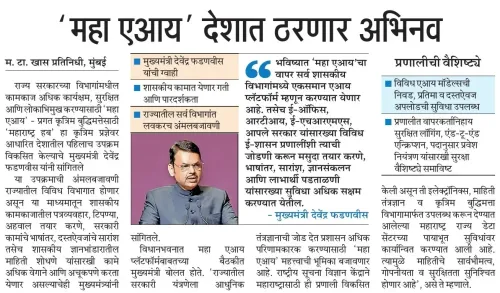
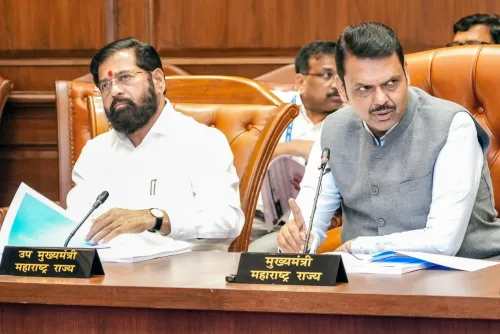
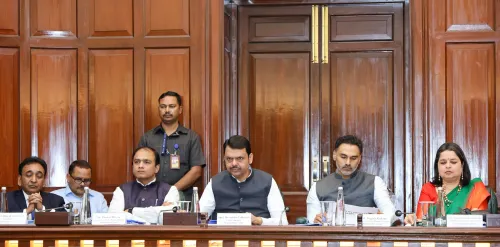
Maharashtra's CM Advocates for Strategic AI Implementation in Governance
Synopsis
Maharashtra's Chief Minister Devendra Fadnavis highlights the transformative impact of Artificial Intelligence on markets and employment during the Nasscom Forum. He stresses collaboration among governance, education, and industry for a robust AI-enabled future, aiming to reduce costs for farmers and enhance policy-making.
Key Takeaways
AI is critical for enhancing government operations.
The AgriStack initiative is set to revolutionize farming data management.
Collaboration between educational institutions and industries is essential for preparing a skilled workforce.
Policy-making is shifting towards Policy-Led Growth .
Concerns about job displacement due to AI are being addressed through awareness and adaptation.
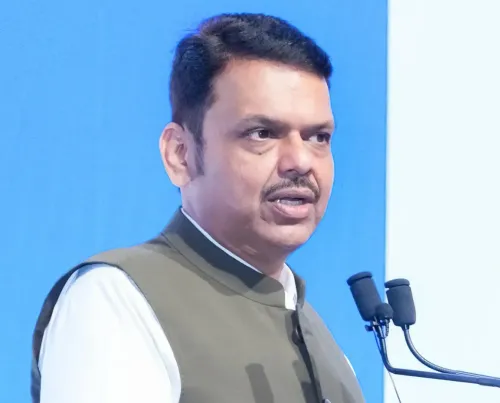
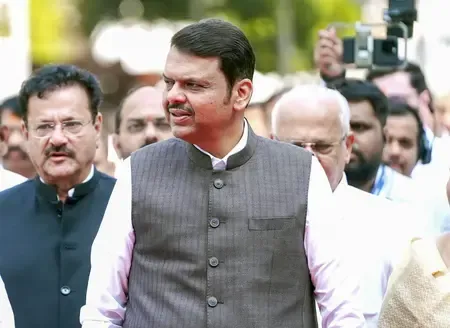
Mumbai, Feb 24 (NationPress) Maharashtra's Chief Minister Devendra Fadnavis highlighted on Tuesday that Artificial Intelligence is swiftly reshaping the landscape of markets and job opportunities.
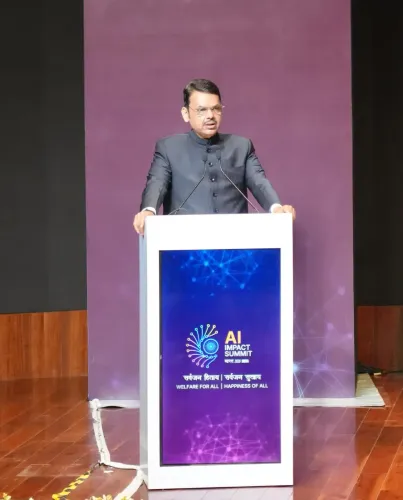
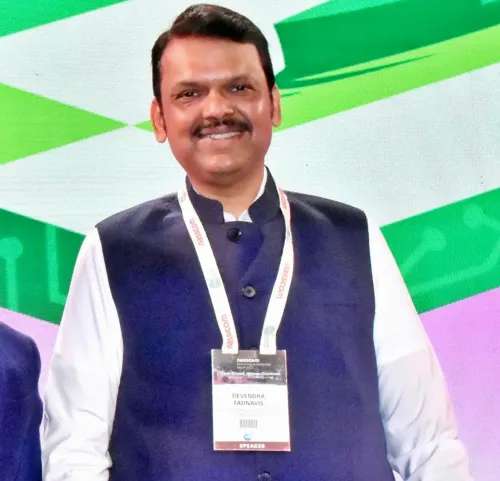
In a bid to create a competent and efficient administration, the state government is prioritizing the strategic implementation of AI in governmental functions. This statement was made during an engaging session at the Nasscom Technology and Leadership Forum 2026.
Fadnavis pointed out that the government is dedicated to establishing a strong Digital Public Infrastructure (DPI) by enhancing the integration of AI within the governance framework. The state is actively working on developing an AI-enabled workforce by promoting collaboration between educational institutions and the business sector.
To support this endeavor, a workshop is set to take place in Mumbai for all educational entities in the state, focusing on the evolving job market due to technological advancements and the necessary changes required in the education system.
He stressed that if the government, educational bodies, and industry organizations like Nasscom unite, Maharashtra can expedite its progress in the AI domain.
During his remarks, Fadnavis recalled that at the recent World Economic Forum in Davos, Brazilian officials noted their efforts to develop their systems modeled after India's experience with DPI. Currently, India is taking a leading role globally in Digital Public Infrastructure.
Touching upon the recently initiated AI 4Agri Summit, the Chief Minister elaborated that through the AgriStack initiative, comprehensive information about each farmer's land, crops, and other relevant data is being compiled. Concurrently, the MahaVistar AI application, utilizing Generative AI, offers tailored digital assistance to registered farmers, with 3 million farmers already linked to this platform.
The combination of AgriStack and MahaVistar is poised to significantly lower farmers' production costs by an estimated 25-40% while also reducing agricultural uncertainties.
Fadnavis indicated that the state's policy-making approach now adheres to the principle of Policy-Led Growth. Various industry stakeholders contributed to the formulation of the Global Capability Centres (GCC) policy.
Reports suggest that Pune has emerged as a frontrunner in the country’s GCC ecosystem. Additionally, he shared that the Logistics Policy was developed in consultation with the Logistics Council and is future-focused, emphasizing logistics' vital role in supply chain management.
Recognizing the significant employment generation by the Micro, Small, and Medium Enterprises (MSME) sector, efforts are underway to craft a dedicated policy that promotes AI adoption within this sector, involving collaboration with Nasscom, CII (Confederation of Indian Industry), and various sector councils.
Addressing concerns regarding potential job displacement due to AI, CM Fadnavis reflected on the similar anxieties during the computer revolution. He emphasized that India successfully leveraged that phase for substantial growth in the IT sector.
"AI should be perceived not as a threat, but as a pathway to advancement. The employment landscape will evolve, creating new opportunities. The profession of 'Creator' is now recognized, a concept that was unimaginable a decade ago," he articulated.
He concluded by remarking that the younger generation has embraced technology, underscoring the importance of a mindset open to change.
Point of View
The state is positioning itself as a leader in the AI domain, aiming for substantial advancements that could reshape employment landscapes.
NationPress
17 Sept 2026
Frequently Asked Questions
What is the significance of AI in Maharashtra's governance?
AI is seen as a key driver for improving government efficiency and creating an AI-enabled workforce, which is essential for adapting to the evolving job market.
How does the AgriStack initiative benefit farmers?
AgriStack consolidates crucial data about farmers’ land and crops, while the MahaVistar app provides personalized assistance, helping reduce production costs significantly.
What role do educational institutions play in this AI initiative?
Educational institutions are being encouraged to collaborate with the government and industry to prepare a workforce skilled in AI, adapting to changing job opportunities.
How is Maharashtra addressing concerns about AI and job displacement?
The Chief Minister emphasized that AI should be viewed as an opportunity for progress, highlighting historical parallels with the IT revolution that created new job roles.
What is the future outlook for Maharashtra's AI strategy?
With a focus on Policy-Led Growth and collaboration across sectors, Maharashtra aims to enhance its capabilities in AI, benefiting various industries and improving public services.