Is Meditation a Scientific Tool for Stress Management and Neuroplasticity?
Synopsis
Discover how meditation, as endorsed by experts from the Morarji Desai National Institute of Yoga, is a scientific tool for stress management. With compelling evidence from neuroimaging studies, learn how practices like Om chanting and Yoga Nidra can significantly improve mental health and emotional regulation.
Key Takeaways
Meditation is a scientifically validated tool for stress management.
Om chanting significantly impacts brain activity related to fear and emotional responses.
Yoga Nidra is effective in promoting relaxation and reducing systemic inflammation.
The UN recognizes December 21 as World Meditation Day, emphasizing mental health rights.
Integrating traditional practices into modern lifestyles can enhance overall well-being.
New Delhi, Dec 22 (NationPress) Meditation is recognized as a scientific approach to managing stress and controlling emotional responses in the brain, according to experts from the Morarji Desai National Institute of Yoga (MDNIY), affiliated with the Ministry of Ayush.
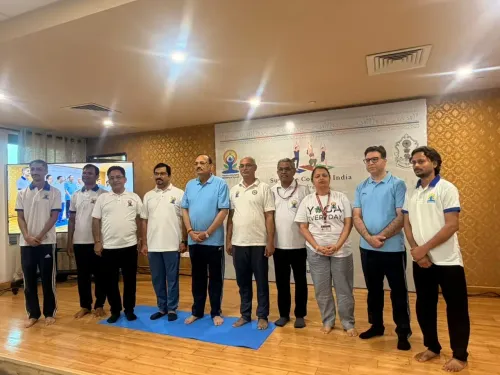
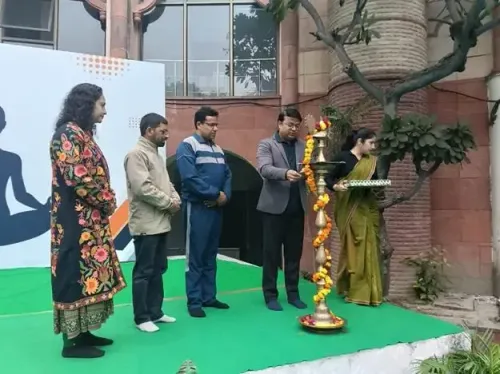
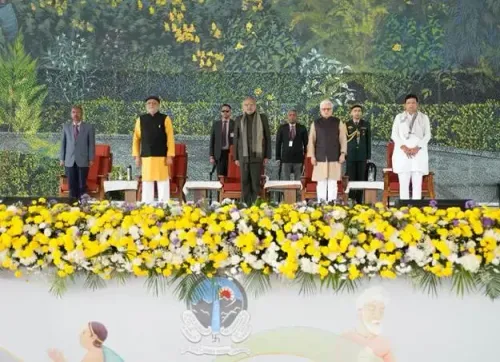
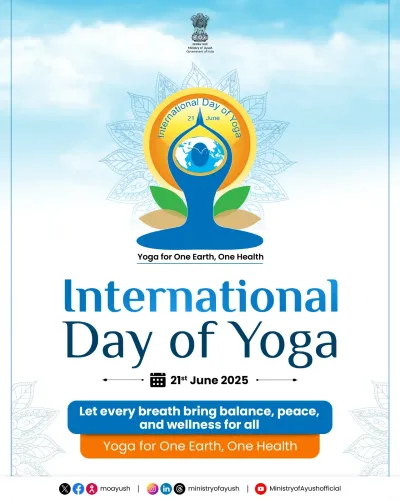
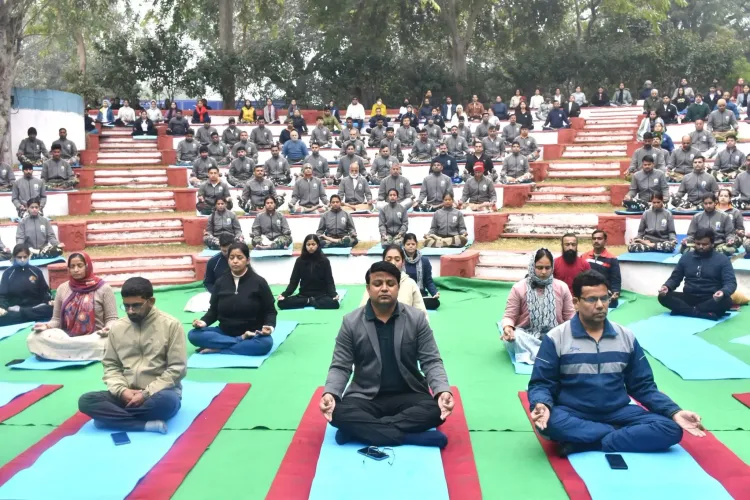
In celebration of World Meditation Day on Sunday, specialists emphasized the clinical importance of meditation in our fast-paced, competitive society.
“Approximately 60-70% of stress originates from occupational challenges,” stated Prof. (Dr.) Kashinath Samagandi, Director of MDNIY, who also emphasized the necessity of achieving harmony between body and mind through techniques outlined in the Patanjala Yogasutra.
He referenced contemporary studies indicating that neuroimaging reveals that chanting Om diminishes activity in the amygdala—the region of the brain responsible for fear and negative emotions—while stimulating the prefrontal cortex, which governs emotional reactions.
An fMRI study has confirmed significant reduction of amygdala activity during vigorous Om chanting compared to a resting state.
Moreover, findings from the All India Institute of Medical Sciences (AIIMS), New Delhi, demonstrate that Yoga Nidra leads to observable alterations in brain activity linked to deep relaxation and emotional management, effectively lowering stress levels and systemic inflammation.
Significantly, the UN General Assembly declared December 21 as World Meditation Day last year, affirming the right of individuals to achieve optimal physical and mental health.
This initiative is in line with the Ministry of Ayush's ongoing efforts to merge traditional Indian wisdom with contemporary lifestyle choices for a more robust society.
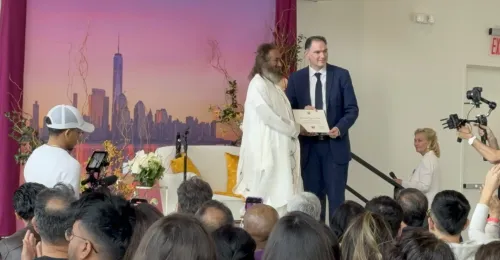
During the event, Swami Muktimayananda from the Ramakrishna Mission, New Delhi, encouraged attendees to seek inner peace.
“True mental calm begins with self-awareness and understanding one's genuine nature—Sat Chit Anand Swaroop—rooted in love and compassion,” he remarked.
He also highlighted the importance of adhering to Yama and Niyama to transcend ego, jealousy, and unmet desires that disrupt inner harmony.
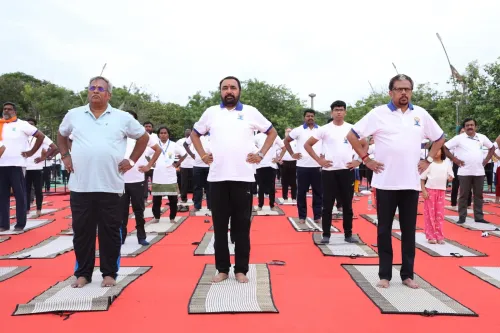
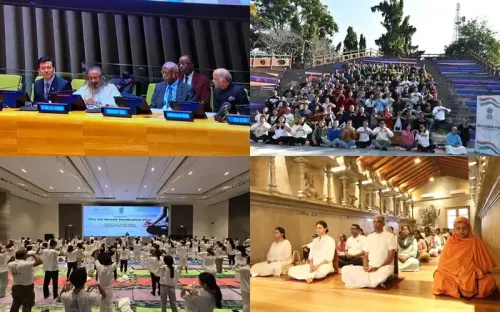
The event featured specialized meditation sessions that united distinguished scholars, yoga practitioners, and enthusiasts.
Additionally, the program included practical demonstrations of diverse meditation techniques, aimed at providing participants with effective strategies to enhance mental and emotional resilience.
Point of View
The insights shared by MDNIY experts showcase the profound impacts of meditation on mental health. In an era where stress is prevalent, their findings underline the necessity of integrating traditional practices into modern lifestyles for comprehensive well-being.
NationPress
4 Oct 2026
Frequently Asked Questions
How does meditation affect stress levels?
Meditation helps to regulate emotional responses and manage stress by promoting relaxation and mindfulness, which can lead to measurable changes in brain activity.
What is the significance of Om chanting?
Om chanting has been shown to reduce activity in the amygdala, the brain's fear center, while activating the prefrontal cortex, leading to improved emotional regulation.
What techniques are recommended for stress management?
Techniques such as Yoga Nidra and chanting are highly recommended as they facilitate deep relaxation and emotional balance, thus managing stress effectively.