Visakhapatnam inks Moscow transport pact for smart urban mobility
Synopsis
Visakhapatnam is looking to Moscow — home to one of the world's most technologically advanced urban transit systems — to reshape its own public transport future. The GVMC-Moscow memorandum, signed at an international summit, is the most concrete outcome yet of Andhra Pradesh's push to bring global smart-city expertise into its fastest-growing port city.
Key Takeaways
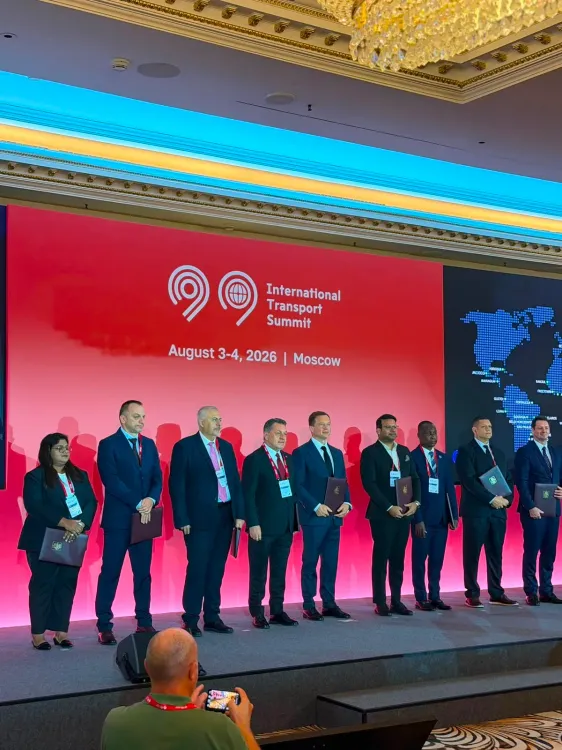
GVMC and the Government of Moscow signed a Memorandum of Cooperation at the 5th International Transport Summit in Moscow .
The pact was signed by GVMC Commissioner Ketan Garg and Moscow Deputy Mayor Maksim Liksutov .
Cooperation covers AI-driven traffic management , integrated digital ticketing , autonomous transport , and low-emission mobility solutions .
The deal follows Andhra Pradesh Minister Nara Lokesh 's official visit to Russia in June 2025 .
Moscow's Troika smart card and centralised traffic-management systems are among the models being considered for adaptation in Visakhapatnam .
The Greater Visakhapatnam Municipal Corporation (GVMC) has signed a Memorandum of Cooperation with the Government of Moscow to develop a modern, technology-driven urban transportation system in Visakhapatnam, Andhra Pradesh. The agreement, formalised on the sidelines of the 5th International Transport Summit in Moscow, positions the port city to draw on one of the world's most advanced urban transit models.
Key Developments
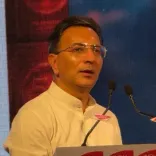
The memorandum was signed by GVMC Commissioner Ketan Garg and Maksim Liksutov, Moscow's Deputy Mayor and Head of the Department of Transport and Road Infrastructure Development. Visakhapatnam Member of Parliament M. Sribharat was also present at the signing ceremony, according to an official release.
The agreement establishes an institutional framework for technical engagement, knowledge exchange, and project-level cooperation between the two cities.
What the Pact Covers
Under the memorandum, the two sides will collaborate across a broad spectrum of urban mobility domains, including:
Intelligent traffic and public transport management systems; integrated and digital ticketing infrastructure; artificial intelligence and data-driven transport planning; autonomous transportation technologies and supporting infrastructure; sustainable and low-emission mobility solutions; automotive and electronics manufacturing; energy-storage systems; vertical transportation solutions; and technology transfer, training, and exchange programmes for officials and specialists.
The cooperation also extends to participation in urban transport data initiatives and the use of computer vision and centralised traffic-management systems.
Moscow's Transport Credentials
Moscow operates one of the world's most extensive and technologically integrated urban transport networks, combining the metro, buses, trams, electric buses, the Moscow Central Circle, and the Moscow Central Diameters. The city uses the Troika smart card — an integrated fare-payment ecosystem — across multiple transport modes.
Digital platforms, artificial intelligence, and real-time traffic monitoring systems are deployed across Moscow's network to improve passenger convenience, road safety, and operational efficiency — capabilities that Visakhapatnam aims to adapt to its own geography and growth trajectory.
How the Partnership Came About
The cooperation is a direct outcome of Andhra Pradesh Minister for Education, Information Technology and Electronics Nara Lokesh's official visit to Russia in June 2025. During that visit, Lokesh held discussions with Moscow's transport leadership on strengthening ties in urban mobility, connectivity, and transport infrastructure.
Recognising Visakhapatnam's rapid growth as a major economic, industrial, and technology hub, both sides agreed to develop advanced transportation solutions tailored to the city's specific needs.
What This Means for Visakhapatnam
The Andhra Pradesh government seeks to build a mobility model suited to Visakhapatnam's geography, population density, economic expansion, and future infrastructure requirements. The memorandum creates a structured pathway for that ambition, moving beyond intent to an institutional cooperation framework. With the city increasingly being positioned as a key node in India's eastern economic corridor, a modernised urban transport system could significantly enhance its appeal to investors and residents alike.
Point of View
Not funded projects. The real question is whether this translates into tangible infrastructure or remains a diplomatic photo-op. Visakhapatnam's transport challenges are real and growing, and Moscow's AI-integrated transit model is genuinely world-class, but technology transfer between Indian municipal bodies and foreign governments has a mixed track record. The Nara Lokesh connection also signals that this is partly a political deliverable from the Russia visit — which raises the bar for follow-through accountability.
NationPress
3 Aug 2026
Frequently Asked Questions
What is the GVMC-Moscow Memorandum of Cooperation about?
It is an agreement between the Greater Visakhapatnam Municipal Corporation and the Government of Moscow to develop a modern, technology-driven urban transportation system in Visakhapatnam. The pact covers AI-based traffic management, integrated digital ticketing, autonomous transport, and low-emission mobility solutions, among other areas.
Where and when was the agreement signed?
The memorandum was signed at the 5th International Transport Summit held in Moscow. GVMC Commissioner Ketan Garg and Moscow's Deputy Mayor Maksim Liksutov signed the document, with Visakhapatnam MP M. Sribharat also present.
How did the Visakhapatnam-Moscow transport cooperation come about?
The partnership is a direct outcome of Andhra Pradesh Minister Nara Lokesh's official visit to Russia in June 2025, during which he held discussions with Moscow's transport leadership on urban mobility and infrastructure cooperation.
What can Visakhapatnam learn from Moscow's transport system?
Moscow operates one of the world's most integrated urban transit networks, combining metro, trams, electric buses, and smart-card-based fare payment through the Troika card. It also uses AI, computer vision, and real-time traffic monitoring — technologies that Visakhapatnam aims to adapt to its own urban context.
Who is affected by this transport cooperation deal?
Residents and commuters of Visakhapatnam stand to benefit if the cooperation leads to concrete infrastructure upgrades. The city's status as a growing economic and industrial hub means improved urban mobility could also attract further investment and ease congestion as its population expands.