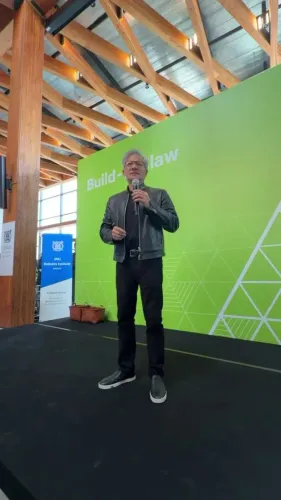
Nvidia Hosts Build-a-Claw Workshop at Seoul National University
Synopsis
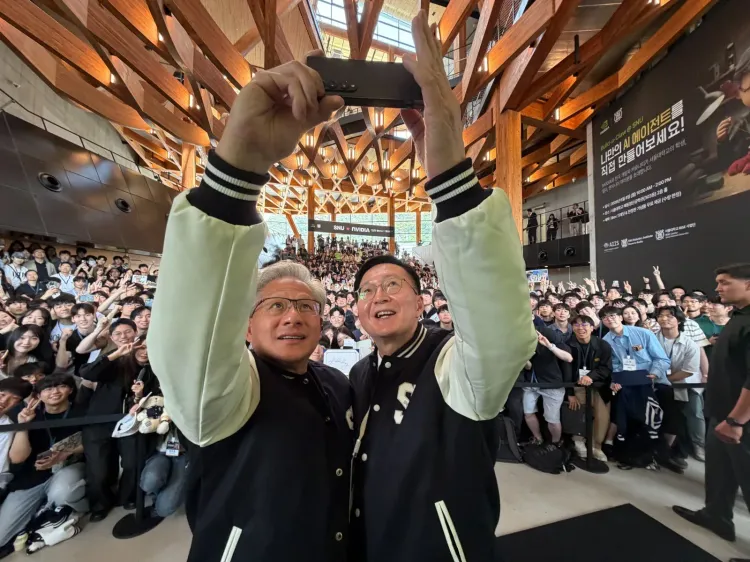
Chip giant Nvidia hosted a hands-on Build-a-Claw workshop at Seoul National University on June 8, 2026, uniting students, developers, and AI researchers. The event reflects Nvidia's intensifying global university outreach in East Asia as South Korea accelerates its national AI and semiconductor ambitions.
Key Takeaways
Nvidia hosted a Build-a-Claw hands-on AI workshop at Seoul National University on Monday, June 8, 2026 .
Participants included university students, software developers, and AI researchers described by Nvidia as 'the next generation of builders.' The event aligns with Nvidia's long-running global university programme, including CUDA Research Center and Teaching Center initiatives active since 2008 .
South Korea is a major semiconductor hub, home to Samsung Electronics and SK Hynix , making it a strategic market for Nvidia's academic partnerships.
The workshop reflects an industry shift toward edge robotics and embedded AI, beyond cloud-scale model training.
Further Nvidia-led academic workshops across East Asia and announcements at future GTC conferences are anticipated.
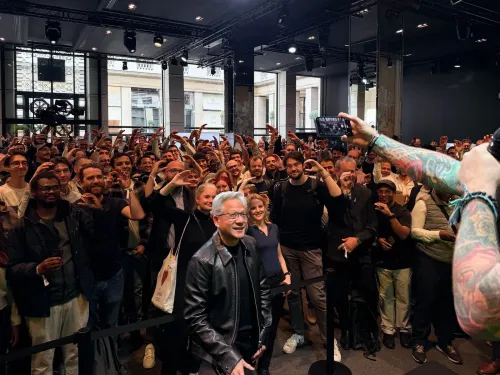
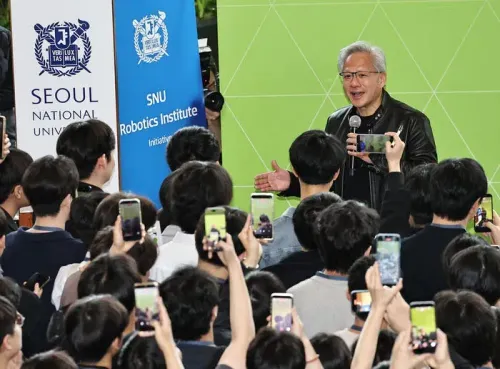
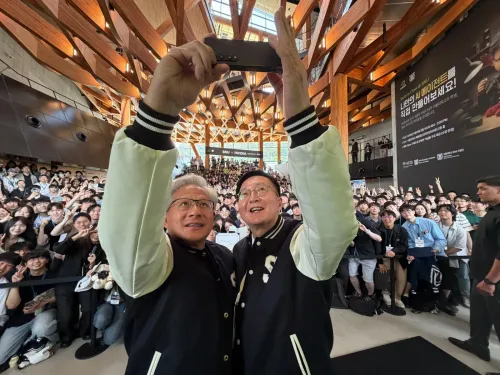
Chip giant Nvidia hosted a hands-on Build-a-Claw workshop at Seoul National University on Monday, June 8, 2026, bringing together students, developers, and AI researchers for a practical session on next-generation AI hardware development.
Context
The event, shared via Nvidia's official X account on Tuesday, June 9, 2026, described participants as 'the next generation of builders' engaging hands-on with AI tools and hardware. The Build-a-Claw format is a practical, project-based workshop format that places participants directly in contact with robotic and embedded AI systems, reflecting a broader industry push beyond cloud-scale model training toward edge robotics and physical AI applications.
Seoul National University is South Korea's flagship research institution, with strong programs in engineering, semiconductor research, computer science, and robotics — making it a natural venue for Nvidia's expanding university outreach in East Asia.
Policy Backdrop
Nvidia has maintained a long-standing global university engagement programme, including its CUDA Research Center and Teaching Center initiatives, which date back to 2008 and are designed to embed GPU-accelerated computing into academic curricula worldwide. The company has intensified this outreach in recent years, particularly across East Asia, as governments race to cultivate domestic AI and semiconductor capabilities.
South Korea is home to global chip manufacturers Samsung Electronics and SK Hynix, and has pursued active national strategies in semiconductors and AI. The country's alignment with US-led export control frameworks on advanced chips has run alongside deepening corporate-academic collaboration, creating fertile ground for partnerships with US technology firms like Nvidia.
Stakeholders and Impact
The direct beneficiaries of the Seoul workshop are university students, independent developers, and AI researchers who gain hands-on exposure to Nvidia's hardware ecosystem early in their careers. For Nvidia, such events serve a strategic purpose: expanding the developer community fluent in its platforms, particularly as demand for AI infrastructure engineers surges globally.
South Korean technology firms also stand to benefit indirectly, as a pipeline of locally trained AI hardware talent strengthens the broader domestic ecosystem. Hands-on workshops of this kind signal an industry emphasis on moving AI application development closer to the physical edge — into robotics, automation, and embedded systems — rather than remaining confined to large cloud-based model training.
What's Next
Nvidia's university outreach in East Asia is expected to continue, with further workshops potentially announced at regional academic institutions or at future editions of the company's flagship GTC conference. As South Korea deepens its national AI strategy and its semiconductor firms expand into advanced packaging and AI-accelerator development, collaborations between Nvidia and Korean academic institutions are likely to grow in both scale and ambition. The Seoul session underscores a wider global pattern: chip and AI infrastructure companies are investing heavily in grassroots developer communities as the competition for AI talent intensifies.
Point of View
Nvidia is seeding long-term platform loyalty at the precise moment Seoul is accelerating its national AI strategy. The timing also reflects a broader industry pivot: as AI competition shifts from model scale to physical-world deployment, hands-on hardware workshops become a front line in the battle for developer mindshare. For India's own AI and semiconductor ambitions, the pattern offers a clear signal of how global chip leaders are shaping the next generation of builders.
NationPress
24 Oct 2026
Frequently Asked Questions
What is the Nvidia Build-a-Claw workshop?
Build-a-Claw is a hands-on, project-based workshop format run by Nvidia that gives students, developers, and AI researchers direct experience with robotics and embedded AI hardware systems.
Where did Nvidia hold its Build-a-Claw event in June 2026?
Nvidia held the Build-a-Claw workshop at Seoul National University in South Korea on Monday, June 8, 2026 .
Why is Nvidia partnering with South Korean universities?
South Korea is a global semiconductor hub home to Samsung Electronics and SK Hynix, and Nvidia is expanding its university outreach in East Asia to grow its developer ecosystem as AI hardware demand surges.
What is Nvidia's university outreach programme?
Nvidia has run the CUDA Research Center and Teaching Center programmes since 2008 , embedding GPU-accelerated computing education into universities worldwide.
What does the Nvidia Seoul workshop mean for AI development in South Korea?
The workshop helps build a local pipeline of AI hardware talent aligned with Nvidia's platforms, supporting South Korea's national AI and semiconductor strategies and strengthening corporate-academic collaboration in the region.