Nvidia Highlights AI Democratising Medical Knowledge Globally

Synopsis
Nvidia's official X account on 7 July 2026 spotlighted a case study on AI democratising medical knowledge globally, reinforcing the chip giant's multi-year push to embed its Clara framework and DGX systems at the heart of healthcare AI — with major implications for under-resourced health systems worldwide.
Key Takeaways
Chip giant Nvidia posted on X on 7 July 2026 highlighting AI's role in democratising medical knowledge globally.
Nvidia launched its Clara healthcare AI framework in 2019 to accelerate medical imaging, genomics and drug-discovery workloads.
The company's CUDA software stack and DGX systems are now de-facto infrastructure for clinical AI deployments worldwide.
Nvidia has expanded hospital and life-science partnerships significantly since 2020 , covering diagnosis support and medical literature analysis.
Regulatory guidance from bodies such as the FDA and WHO on AI-generated medical information remains pending and will shape adoption timelines.
Countries like India , facing acute specialist-doctor shortages, stand to benefit significantly from AI tools that broaden access to medical knowledge.
Chip giant Nvidia on Tuesday, 7 July 2026, shared what it called an 'inspiring success story' on how artificial intelligence is democratising medical knowledge across the world, pointing its global audience to a case study via its official X account.
The post, carrying Nvidia's corporate voice, urged followers to 'read this inspiring success story on how AI is democratising medical knowledge globally.' While the specific case study linked in the post could not be independently verified at the time of publication, the message underscores a sustained strategic push by the Santa Clara, California-based company to position its hardware and software platforms at the centre of global healthcare AI adoption.
Context
Nvidia has been building its healthcare AI footprint since at least 2019, when it launched the Clara framework — a dedicated platform to accelerate medical imaging, genomics, and drug-discovery workloads on its graphics processing units. The framework has since evolved into a broader suite of tools used by hospitals and life-science organisations worldwide.
The company's CUDA software stack and DGX systems have become de-facto infrastructure for institutions seeking to fine-tune or deploy large language models in clinical settings. Co-founder and chief executive Jensen Huang has consistently highlighted enterprise and scientific use cases as central to Nvidia's identity beyond gaming and consumer graphics.
Policy Backdrop
The post arrives amid a wider industry movement toward open or low-cost AI tools aimed at reducing disparities in access to specialist medical knowledge between high-resource and low-resource regions. Organisations operating in countries with acute shortages of trained medical professionals have increasingly looked to AI-assisted tools for triage, diagnosis support, and medical literature analysis.
Regulatory frameworks governing AI-generated medical information remain a live question globally. Bodies such as the US Food and Drug Administration and the World Health Organisation are actively developing guidance on how AI tools may be validated and deployed in clinical and public-health contexts — a process that will shape how platforms built on Nvidia's infrastructure are approved for use.
Stakeholders and Impact
The primary beneficiaries of democratised medical AI include medical researchers, frontline clinicians in under-resourced settings, and global health organisations working to close knowledge gaps across geographies. For India specifically — home to a significant shortage of specialist doctors relative to its population — AI tools that surface medical knowledge at scale carry considerable public-health implications.
Nvidia's partnerships with hospitals and life-science firms, which have expanded markedly since 2020, place the company in a pivotal position as both infrastructure provider and ecosystem architect. Its chips power the servers on which many of these AI models are trained and inferred, giving it leverage across the entire value chain from research to clinical deployment.
What's Next
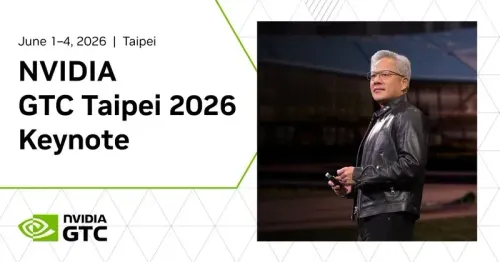
Observers will watch for any new Nvidia healthcare software announcements at future GTC conferences, the company's flagship developer event, where major platform updates have historically been unveiled. Regulatory milestones from the FDA or WHO on AI-generated medical information will also determine the pace at which tools built on Nvidia's infrastructure can be formally adopted in clinical pathways.
As AI continues to reshape access to specialised knowledge, Nvidia's role as the dominant GPU supplier positions it as a key variable in whether the promise of democratised healthcare intelligence translates into measurable outcomes on the ground — particularly in the Global South.
Point of View
Healthcare narratives carry outsized weight. The move also signals to governments in emerging markets, including India, that Nvidia's technology stack is relevant to public-health challenges, not just enterprise computing. Watched alongside pending FDA and WHO AI-medical guidance, this kind of soft-power messaging may well precede harder commercial or policy moves.
NationPress
8 Jul 2026
Frequently Asked Questions
What did Nvidia post about AI and medical knowledge?
Nvidia's official X account on 7 July 2026 shared a case study it described as an 'inspiring success story' about how AI is democratising medical knowledge globally, directing followers to an external link for details.
What is Nvidia's Clara platform?
Nvidia Clara is a healthcare AI framework launched in 2019 designed to accelerate medical imaging, genomics, and drug-discovery workloads on Nvidia GPUs, used by hospitals and life-science organisations worldwide.
How is Nvidia involved in healthcare AI?
Since 2020, Nvidia has expanded partnerships with hospitals and life-science firms, providing its CUDA software stack and DGX systems as infrastructure for training and deploying AI models in clinical settings, including diagnosis support and medical literature analysis.
Can AI really democratise access to medical knowledge in India?
AI tools built on platforms like Nvidia's have the potential to bridge specialist-knowledge gaps in countries like India, where trained specialist doctors are scarce relative to the population, though regulatory approvals and infrastructure access remain key hurdles.
What regulations govern AI in healthcare globally?
Bodies such as the US Food and Drug Administration and the World Health Organisation are actively developing regulatory guidance on AI-generated medical information, which will determine how AI tools deployed on hardware like Nvidia's can be formally validated for clinical use.