OpenAI CEO Sam Altman Backs Rosalind Biodefense Initiative
Synopsis
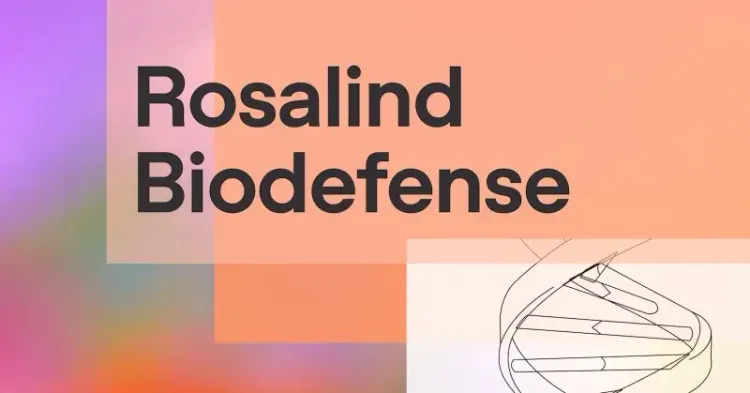
OpenAI chief executive Sam Altman on 31 May 2026 unveiled the Rosalind biodefense initiative, pledging to use AI capabilities to give the world a head start against biological threats. The move extends OpenAI's 2023 Preparedness Framework into an active biosecurity contribution role.
Key Takeaways
Sam Altman announced the Rosalind biodefense initiative on 31 May 2026 via a post on X.
OpenAI's stated goal is to help the world 'get a head start on biodefense' using AI capabilities.
The initiative builds on OpenAI's Preparedness Framework published in 2023 , which evaluated biological and other high-risk AI scenarios.
AI labs have increasingly positioned themselves as contributors to biosecurity following post- COVID-19 emphasis on pandemic preparedness.
Key stakeholders include public health agencies, AI safety researchers, and biosecurity policymakers globally, including in India .
Technical scope and partnership details of the Rosalind programme remain to be confirmed by OpenAI.
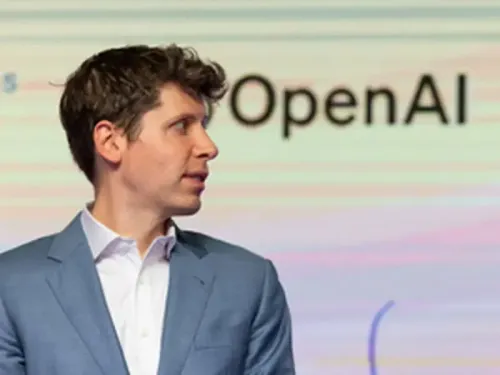
OpenAI chief executive Sam Altman on Sunday, 31 May 2026 announced the company's push into biodefense, sharing a link to a new initiative called Rosalind aimed at helping the world build resilience against biological threats. The post, published on X, stated: 'We want to help the world get a head start on biodefense.'
Context
The announcement points to a dedicated page on OpenAI's website outlining what the company calls 'strengthening societal resilience' through the Rosalind biodefense programme. While the exact technical scope of the project has not been independently confirmed, the initiative appears to position OpenAI's AI capabilities as a tool for detecting, understanding, and responding to biological risks. Altman's framing — 'a head start on biodefense' — signals an intent to act ahead of threats rather than reactively.
OpenAI, headquartered in San Francisco, has previously outlined its approach to high-risk domains through its Preparedness Framework, published in 2023, which established evaluation criteria for biological and other catastrophic misuse scenarios involving frontier AI models. The Rosalind initiative appears to be an extension of that safety-oriented posture into an active contribution role.
Policy Backdrop
The announcement arrives against a backdrop of heightened global attention to pandemic preparedness, accelerated by the COVID-19 pandemic and subsequent policy signals from the United States government on dual-use AI models — those capable of both beneficial and potentially harmful applications. AI laboratories have increasingly sought to demonstrate their value to national security and public health agencies, often through voluntary technical assistance rather than formal regulatory frameworks.
The pattern reflects a broader industry calculation: by proactively engaging biosecurity domains, frontier AI companies can shape the terms of their own oversight while contributing to legitimate public goods. OpenAI's move follows similar positioning by other major technology firms that have offered AI tools to defence and health security agencies.
Stakeholders and Impact
Public health agencies, AI safety researchers, and biosecurity policymakers are the primary audiences for the Rosalind initiative. For India, which has invested heavily in domestic biotechnology and pandemic-response infrastructure through bodies such as the Indian Council of Medical Research, developments in AI-assisted biodefense carry direct relevance — particularly as Indian institutions explore partnerships with global AI platforms.
Civil society groups and dual-use research watchdogs are likely to scrutinise the programme closely. The intersection of advanced AI and biological knowledge is considered one of the most sensitive risk domains in the field, and any tool that lowers barriers to biological understanding carries both protective and proliferation implications that regulators worldwide are still working to address.
What's Next
Attention will now focus on the technical details OpenAI releases about the Rosalind programme — specifically which model capabilities are involved, what safeguards govern access, and whether formal partnerships with government health or defence agencies are announced. Any updates to US or international AI safety guidelines that reference the initiative will also be closely watched. OpenAI's willingness to publish evaluation criteria and partner terms will be a key test of whether the biodefense push represents a substantive safety contribution or primarily a reputational positioning exercise.
Point of View
OpenAI is simultaneously building goodwill with governments and shaping the narrative around dual-use risk. For Indian policymakers navigating their own AI governance framework, this move raises important questions about technology transfer, access equity, and whether global AI biodefense tools will be available to developing nations on equitable terms. The initiative will be judged not by its announcement but by the transparency of its safeguards and the breadth of its partnerships.
NationPress
16 Oct 2026
Frequently Asked Questions
What is OpenAI's Rosalind biodefense initiative?
Rosalind is a biodefense programme announced by OpenAI on 31 May 2026, aimed at using AI capabilities to strengthen societal resilience against biological threats. Full technical details have not yet been publicly confirmed.
Why is Sam Altman focusing on biodefense?
Altman and OpenAI have positioned biodefense as a key safety domain since publishing their Preparedness Framework in 2023. The initiative reflects a broader industry trend of AI companies contributing voluntarily to biosecurity and pandemic preparedness.
What is OpenAI's Preparedness Framework?
OpenAI's Preparedness Framework, published in 2023, outlines how the company evaluates biological and other catastrophic risks associated with its frontier AI models, setting internal thresholds for acceptable capability levels.
How does OpenAI's biodefense push affect India?
India, with its significant biotechnology sector and pandemic-response infrastructure, stands to be directly affected by global AI-assisted biodefense tools. Indian institutions may seek partnerships or access to such platforms as the programme develops.
What should we watch for next with OpenAI's Rosalind programme?
Key developments to watch include the release of technical details about Rosalind, announcements of formal government or public health partnerships, and any updates to US or international AI safety guidelines that reference the initiative.