RGCB study: Young blood cells shield malaria parasites from artemisinin
Synopsis
A study from Thiruvananthapuram's BRIC-RGCB has upended a core assumption in malaria science: drug resistance isn't just about the parasite's genes. Young red blood cells — reticulocytes — can shield malaria parasites from artemisinin by exploiting their own antioxidant defences, putting children and anaemic patients at heightened risk of treatment failure.
Key Takeaways
BRIC-RGCB scientists in Thiruvananthapuram have identified a new mechanism by which malaria parasites survive artemisinin treatment.
Young red blood cells called reticulocytes provide a protective environment by offering natural antioxidant defences to the parasite.
The study challenges the prevailing view that artemisinin resistance is driven solely by genetic mutations within the parasite.
Findings were published as an Editor's Choice article in The Journal of Infectious Diseases .
High-risk groups include children , anaemic patients , and those recovering from blood loss, who naturally have elevated reticulocyte levels.
Future therapies may need to target both the parasite and the host cell environment to improve treatment outcomes.
Scientists at the Rajiv Gandhi Centre for Biotechnology (BRIC-RGCB) in Thiruvananthapuram have identified a previously unknown mechanism through which malaria parasites survive exposure to artemisinin, the world's most widely used anti-malarial drug. The findings, published on 17 June as an Editor's Choice article in The Journal of Infectious Diseases, could reshape how researchers understand — and ultimately counter — drug resistance in malaria.
The Key Discovery
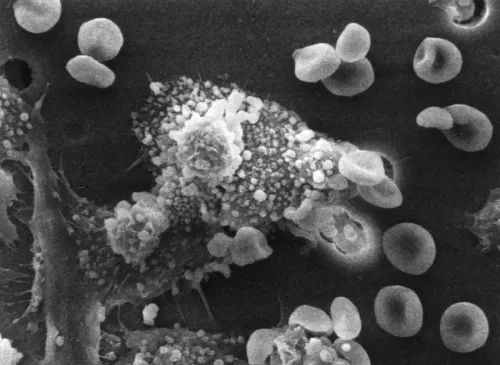
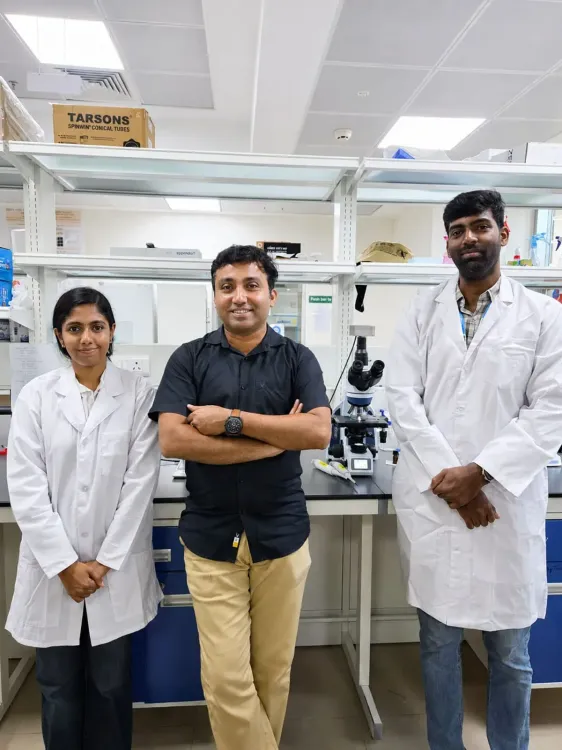
The study, led by Christeen Davis and colleagues at BRIC-RGCB, reveals that young red blood cells — called reticulocytes — create a protective cellular environment that allows malaria parasites to withstand drug-induced stress. Crucially, this mechanism operates independently of genetic mutations within the parasite itself, which had previously been considered the primary driver of artemisinin resistance.
'The biology of the host cell can significantly influence how malaria parasites respond to treatment. The parasite is not acting alone; it exploits the natural antioxidant defences present in young blood cells to protect itself from drug-induced stress,' said Dr Rajesh Chandramohanadas, senior author of the study and Principal Investigator at RGCB.
Why This Challenges Existing Understanding
For years, the scientific consensus held that artemisinin resistance was driven almost entirely by genetic changes within the Plasmodium parasite. This study challenges that assumption by demonstrating that the condition of the host cell — not just the parasite's own genetics — can determine whether treatment succeeds or fails.
Notably, this could explain a longstanding clinical puzzle: why some malaria patients experience delayed parasite clearance or persistent infection even when standard treatment is administered and no known genetic resistance markers are present.
Who Is Most at Risk
The implications are particularly significant for vulnerable groups. Children, anaemic patients, and individuals recovering from blood loss or other infections tend to have elevated reticulocyte levels — meaning their bodies may inadvertently provide malaria parasites with a more hospitable environment to survive drug treatment. This finding adds an important layer of clinical context to treatment planning for these populations.
Collaborators and Institutional Backing
The research was conducted by scientists from BRIC-RGCB — an institution under the Biotechnology Research and Innovation Council (BRIC) — in collaboration with researchers from IISER Thiruvananthapuram, Cosmopolitan Hospital, Thiruvananthapuram, and CSIR-National Chemical Laboratory (NCL), Pune.
Dr Beena Pillai, Director of BRIC-RGCB, said the discovery underscores the importance of studying host-parasite interactions when designing malaria treatment strategies.
What Comes Next
The research team believes future therapies could target not only the parasite but also the cellular environment that enables its survival — a dual-front approach that could significantly improve the efficacy of existing anti-malarial drugs. With malaria continuing to affect hundreds of millions of people globally each year, this host-cell-focused perspective opens a new avenue for tackling one of the world's most persistent infectious diseases.
Point of View
Anaemic patients — are also the most medically fragile, making this not just a research question but an urgent public health one. Indian institutions are increasingly producing globally cited infectious disease research; this Editor's Choice recognition is a marker of that trajectory.
NationPress
17 Sept 2026
Frequently Asked Questions
What did the BRIC-RGCB malaria study find?
Scientists at BRIC-RGCB in Thiruvananthapuram found that young red blood cells, known as reticulocytes, can shield malaria parasites from artemisinin by providing a natural antioxidant-rich environment. This is a non-genetic mechanism of drug resistance not previously documented at this level.
What is artemisinin and why does this discovery matter?
Artemisinin is the world's most widely used anti-malarial drug, forming the backbone of combination therapies recommended by the WHO. This discovery matters because it reveals that treatment can fail even without known genetic resistance markers, which could explain persistent infections in patients receiving standard care.
Who is most vulnerable based on these findings?
Children, anaemic patients, and individuals recovering from blood loss or infections are most at risk, as these groups tend to have higher levels of reticulocytes — the young blood cells that the study found can protect malaria parasites from drug treatment.
Where was the study published and who conducted it?
The study was published as an Editor's Choice article in The Journal of Infectious Diseases. It was led by Christeen Davis and Dr Rajesh Chandramohanadas at BRIC-RGCB, in collaboration with IISER Thiruvananthapuram, Cosmopolitan Hospital Thiruvananthapuram, and CSIR-NCL Pune.
How could this change malaria treatment in the future?
The researchers believe future therapies may need to target both the malaria parasite and the host cell environment that enables its survival. This dual-front approach could improve the effectiveness of existing anti-malarial drugs, particularly for high-risk patient groups.