Can Ivermectin Decrease New Malaria Infections in Children by 26%?
Synopsis
A recent study reveals that Ivermectin can significantly reduce malaria infection rates in children by 26%. This groundbreaking finding offers hope in the continued battle against malaria, especially in light of rising insecticide resistance. Ivermectin could be a game-changer in malaria control strategies.
Key Takeaways
Ivermectin can reduce malaria infections by 26% in children.
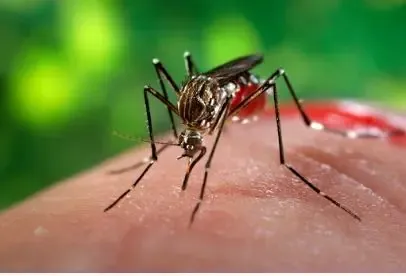
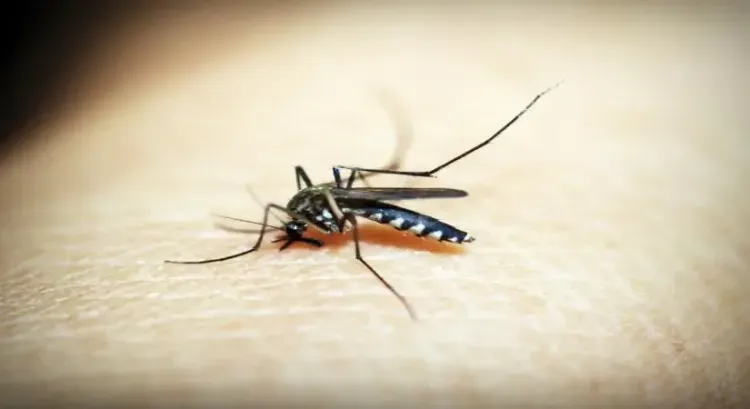
It works by killing mosquitoes that feed on treated individuals.
Research shows a favorable safety profile with no severe side effects.
The study took place in Kwale County, Kenya.
The findings are published in The New England Journal of Medicine.
New Delhi, July 26 (NationPress) A recent study indicates that Ivermectin might serve as an effective method for controlling malaria transmission, revealing that the medication could decrease new malaria infections by 26 percent.
Ivermectin, a medication primarily used to treat neglected tropical diseases like onchocerciasis, which leads to river blindness, and lymphatic filariasis, known for causing elephantiasis, has been demonstrated to reduce malaria transmission by eliminating the mosquitoes that feed on individuals treated with the drug.
With the increasing resistance to standard insecticides, Ivermectin presents a promising alternative strategy for addressing malaria transmission, particularly in areas where traditional control measures have lost their effectiveness, according to researchers from the Barcelona Institute for Global Health (ISGlobal).
"Administering Ivermectin to the entire population significantly diminishes malaria transmission, providing new optimism in combating the disease,” the research team stated.
The study, carried out in Kwale County, Kenya, found that children aged 5–15 who were given Ivermectin experienced a 26 percent reduction in the incidence of malaria infections compared to those who received albendazole, the control medication used in the research.
The published results in The New England Journal of Medicine highlighted that Ivermectin effectively lowered malaria infection rates, especially among children residing farther from cluster borders or in regions where drug distribution proved to be more effective.
Furthermore, the safety profile of Ivermectin was positive, with no severe drug-related adverse events reported, only mild and temporary side effects commonly observed with Ivermectin in campaigns targeting neglected tropical diseases.
“We are excited about these findings,” remarked Carlos Chaccour, co-principal investigator and researcher at ISGlobal.
“Ivermectin has shown significant potential in decreasing malaria transmission and could enhance existing control strategies. Continued research may lead to Ivermectin Mass Drug Administration (MDA) becoming a vital tool for malaria control and potentially aiding in elimination efforts,” added Chaccour, who is currently a researcher at the Navarra Centre for International Development at the University of Navarra.
Malaria continues to pose a global health challenge, with 263 million cases and 597,000 deaths recorded in 2023.
Traditional vector control strategies, such as long-lasting insecticidal nets (LLINs) and indoor residual spraying (IRS), have shown reduced effectiveness due to insecticide resistance and behavioral changes in mosquitoes that prefer to bite outdoors and during twilight hours when individuals are unprotected by these methods.
This highlights the immediate need for innovative solutions in the fight against malaria.
The trials evaluated the safety and efficacy of a single monthly dose of Ivermectin (400 mcg/kg) administered for three consecutive months at the onset of the rainy season to reduce malaria transmission.
Point of View
I view the findings on Ivermectin as a significant advancement in our ongoing battle against malaria. The rising resistance to traditional insecticides calls for innovative solutions. Ivermectin's potential in reducing malaria infections, particularly among children, is a beacon of hope that could transform malaria control strategies worldwide.
NationPress
8 Oct 2026
Frequently Asked Questions
How does Ivermectin work against malaria?
Ivermectin works by killing the mosquitoes that feed on treated individuals, thereby reducing the transmission of malaria.
What was the result of the study conducted in Kenya?
The study found that children aged 5–15 who received Ivermectin had a 26% reduction in malaria infection rates compared to those who received a control drug.
Why is this research important?
With increasing resistance to conventional insecticides, this research highlights a potential new tool in the fight against malaria, which remains a significant global health challenge.