RM Drip and Sprinklers Q2 FY27 profit drops 65% to ₹2 crore despite revenue rise
Synopsis
R M Drip and Sprinklers Systems saw its Q2 FY27 profit collapse by nearly 65% to just ₹2 crore — even as revenue nudged up 3.34% to ₹32 crore. The sharp margin compression at this Nashik-based micro-irrigation manufacturer raises questions about cost pressures weighing on the agri-equipment sector.
Key Takeaways
R M Drip and Sprinklers Systems reported a PAT of ₹2 crore in Q2 FY27 , down 64.78% from ₹5.65 crore in Q2 FY26.
Revenue from operations rose 3.34% year-on-year to ₹32 crore for the July–September 2026 quarter.
Shares closed at ₹19.05 on 9 November 2026 , down 4.99% on the day, but up 12.46% over the past five trading sessions.
The company operates manufacturing facilities in Nashik and Sinnar , with a dealer network spanning 8 states .
Long-term strategy includes capacity expansion and integration of solar infrastructure into operations.
R M Drip and Sprinklers Systems Limited, a Maharashtra-based micro-irrigation equipment manufacturer, reported a steep fall in quarterly earnings on 9 November 2026, with profit after tax (PAT) declining nearly 65% year-on-year even as revenue edged marginally higher. The results, filed with the stock exchanges, highlight a widening gap between topline growth and bottom-line performance for the company in Q2 FY27.
Key Financial Figures
The company posted a PAT of ₹2 crore for the quarter ended September 2026, down 64.78% from ₹5.65 crore in the same quarter last year (Q2 FY26), according to its stock exchange filing. Revenue from operations, however, rose a modest 3.34% year-on-year to ₹32 crore during the July–September 2026 quarter, indicating that while the business continued to grow its sales base, margins came under significant pressure.
Stock Performance
Shares of R M Drip and Sprinklers Systems closed Monday's trading session at ₹19.05, down 4.99% or ₹1 on the day. Despite the single-session decline, the stock has delivered a positive return of 12.46%, or ₹2.11, over the past five trading days, suggesting some near-term investor interest ahead of the results.
About the Company and Its Operations
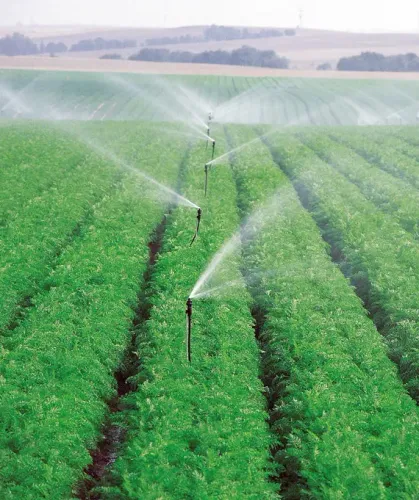
R M Drip and Sprinklers Systems designs, manufactures, and supplies a broad range of micro-irrigation products catering to India's agricultural sector. Its product portfolio includes drip irrigation systems, sprinkler systems, HDPE pipes, filters, and fertigation tanks. The company also provides irrigation system design and installation services to farmers, and operates as an original equipment manufacturer (OEM) supplier.
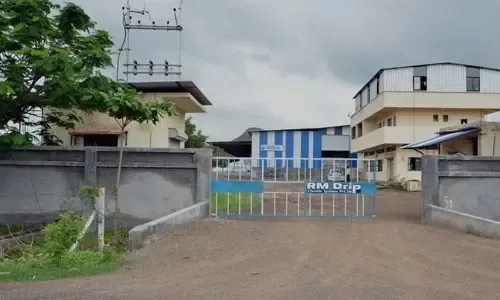
The company runs automated manufacturing facilities in Nashik and Sinnar in Maharashtra, and has established a dealer network across Maharashtra, Madhya Pradesh, Gujarat, Karnataka, Uttar Pradesh, Bihar, Rajasthan, and Jharkhand.
Growth Strategy and Outlook
As part of its long-term growth plan, the company has been pursuing capacity expansion and integrating solar infrastructure into its operations. The micro-irrigation sector, broadly, remains a priority area under various central and state agricultural subsidy schemes, which could support demand recovery in coming quarters. Whether the company can convert revenue growth into improved profitability will be closely watched in the second half of FY27.
Point of View
Not merely a soft quarter. R M Drip and Sprinklers operates in a sector that benefits from government subsidy tailwinds, yet the company is not translating topline expansion into earnings. Without clarity on what drove cost inflation — raw material prices, operating leverage gaps, or distribution investment — the market cannot price the recovery. The five-day stock rally ahead of these results now looks premature.
NationPress
9 Nov 2026
Frequently Asked Questions
What were R M Drip and Sprinklers Systems' Q2 FY27 results?
The company reported a profit after tax of ₹2 crore in Q2 FY27 (July–September 2026), a decline of 64.78% from ₹5.65 crore in the same quarter of the previous year. Revenue from operations rose 3.34% year-on-year to ₹32 crore.
Why did R M Drip and Sprinklers' profit fall so sharply?
The company's stock exchange filing does not provide a detailed breakdown of cost drivers, but the results show that revenue growth of 3.34% was insufficient to offset pressures on profitability, leading to a near-65% drop in PAT. Specific reasons have not been disclosed in the filing.
How did R M Drip and Sprinklers' shares perform on the results day?
Shares closed at ₹19.05 on 9 November 2026, down 4.99% or ₹1 on the day. However, the stock had gained 12.46% over the preceding five trading sessions.
What does R M Drip and Sprinklers Systems do?
The company designs, manufactures, and supplies micro-irrigation equipment including drip irrigation systems, sprinkler systems, HDPE pipes, filters, and fertigation tanks. It also offers OEM services and irrigation system design and installation for farmers across eight states in India.
What is the company's growth strategy going forward?
R M Drip and Sprinklers Systems is focused on capacity expansion at its Nashik and Sinnar facilities and is integrating solar infrastructure into its operations as part of its long-term strategy. The micro-irrigation sector also benefits from central and state agricultural subsidy programmes, which could support demand recovery.