Did South Korea’s Auto Parts Exports to the US Decline for the First Time in Five Years?

Synopsis
In an unexpected turn, South Korea's auto parts exports to the US have dropped for the first time in five years, driven by increased local sourcing amidst rising tariffs. This shift could reshape the landscape of the automotive industry and spark discussions on trade relations.
Key Takeaways
South Korea's auto parts exports to the US fell for the first time in five years.
Exports dropped by 6.7 percent to US$7.67 billion.
Domestic automakers are sourcing more parts locally in response to tariffs.
Tariffs were initially set at 25 percent but later reduced to 15 percent.
This shift could lead to long-term changes in trade dynamics.
Seoul, Feb 8 (NationPress) In 2025, South Korea's auto parts exports to the United States experienced a decline for the first time in five years, as reported on Sunday. This drop is attributed to domestic automakers increasing local sourcing within the U.S. due to tariff regulations.
According to the Korea Auto Industries Cooperative Association, shipments of automotive parts to the U.S. fell by 6.7 percent compared to the previous year, totaling US$7.67 billion for the year. This marks the first annual decrease since 2020, when exports dropped by 11.5 percent, as confirmed by the Yonhap news agency.
Following years of growth, where exports rose from $6.91 billion in 2021 to $8.03 billion in 2022, $8.08 billion in 2023, and $8.22 billion in 2024, this decline is significant.
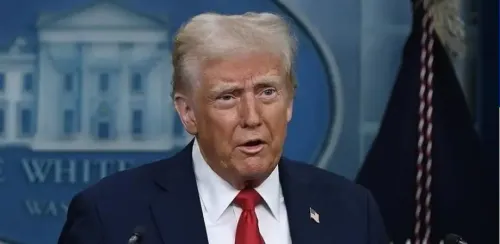
The association noted that the proposed 25 percent tariffs on auto imports during the Donald Trump administration severely impacted South Korea's automotive exports and the overall industry.
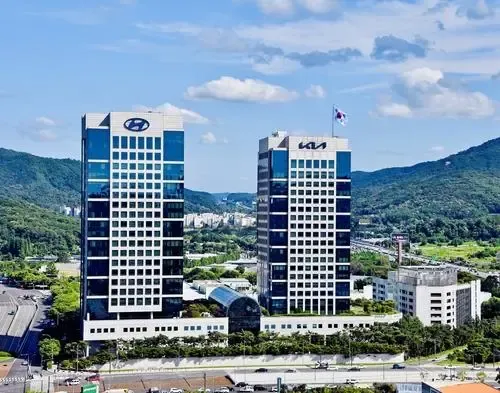
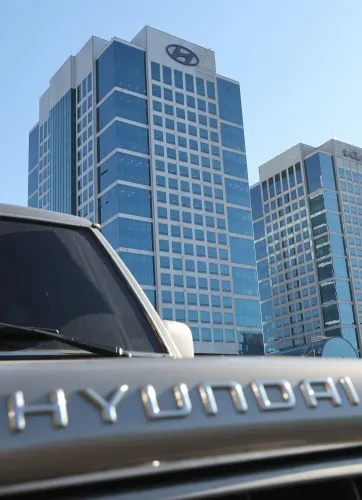
Industry experts indicated that these elevated tariffs led manufacturers, such as Hyundai Motor Co. and Kia Corp., to increase their procurement of local parts in the U.S.
The U.S. initiated a 25 percent tariff on imported auto parts in May of the previous year. However, a subsequent agreement between Seoul and Washington reduced tariffs on South Korean auto parts to 15 percent, retroactively effective from November 1.
Despite this, Trump hinted at the possibility of raising “reciprocal” tariffs on auto, lumber, and pharmaceutical imports from South Korea to 25 percent from 15 percent, citing delays in parliamentary processes regarding a special investment bill that would support a trade deal between the two nations.
This trade agreement commits South Korea to invest US$350 billion in the U.S. and includes other promises, in exchange for the U.S. lowering reciprocal tariffs on South Korean exports to 15 percent from 25 percent, according to the report.
Point of View
It is essential to recognize the complexities surrounding the decline of South Korea's auto parts exports to the U.S. This situation highlights the intricate dynamics of global trade, impacted by tariff policies and local sourcing strategies. While this decline may pose challenges for South Korean manufacturers, it also presents an opportunity for reevaluation and strategic adaptation within the automotive sector.
NationPress
19 Sept 2026
Frequently Asked Questions
What caused the decline in South Korea's auto parts exports to the US?
The decline is primarily due to domestic automakers increasing local sourcing in the US amid tariff measures.
How much did the exports fall by?
Exports fell by 6.7 percent, totaling US$7.67 billion in 2025.
When was the last time exports decreased?
The last decrease occurred in 2020, when exports dropped by 11.5 percent.
What impact did tariffs have on South Korean exports?
Proposed tariffs of 25 percent under the Trump administration significantly affected South Korean automotive exports.
What agreements were made regarding tariffs?
Tariffs on South Korean auto parts were reduced to 15 percent from 25 percent under an agreement between Seoul and Washington.