Shein shares hit post-IPO low after Jefferies 'underperform' rating
Synopsis
Shein's stock has collapsed 25% below its IPO price just two weeks after listing in Hong Kong, with Jefferies setting a HK$26 target — implying another 29% downside — while simultaneous product recalls in Australia and New Zealand pile fresh pressure on the fast-fashion giant.
Key Takeaways
Shein Global Holdings shares closed at HK$36.40 on 14 September 2026 , down 9 per cent on the day and 25 per cent below the IPO price of HK$48.56 .
Jefferies , led by analyst John Chou , initiated coverage with an 'underperform' rating and a target price of HK$26 , implying further downside of approximately 29 per cent from Monday's close.
The Jefferies report identified eroding cost advantages in low-cost parcels, Guangdong supplier density, and supplier-funded experimentation as key structural risks.
Shein is simultaneously managing product safety recalls in Australia and New Zealand , adding regulatory risk to an already pressured post-IPO narrative.
The stock has been in a continuous downward trend since its 1 September 2026 debut on the Hong Kong Stock Exchange , raising questions about IPO valuation and long-term growth assumptions.
Shein Global Holdings saw its stock tumble to its lowest level since listing, falling as much as 10 per cent in Hong Kong trading on Monday, 14 September 2026, battered by a bearish analyst rating and product safety recalls across Australia and New Zealand.
The Selloff in Detail
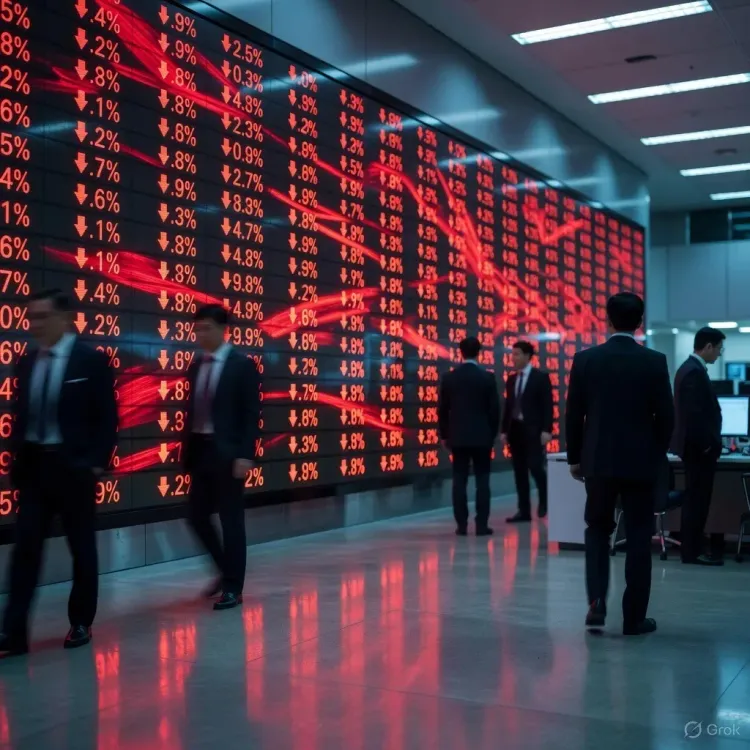
Shein closed down 9 per cent to HK$36.40 on Monday, marking its weakest close since its September 1 debut on the Hong Kong Stock Exchange. The fast-fashion giant's stock has now shed 25 per cent from its initial public offering price of HK$48.56, wiping out a significant portion of the market capitalisation that underpinned one of the year's most closely watched listings.Why It Matters: The Jefferies Call
Jefferies initiated coverage of Shein on Sunday with an 'underperform' rating and a target price of HK$26 — implying the stock has further room to decline from current levels. Jefferies equity analysts, including John Chou, argued in their report that while Shein's competitive advantage lies in what they called 'industrialised newness' — the rapid delivery of new items to consumers — the structural tailwinds underpinning that model are fading. Specifically, the analysts flagged that the advantages of 'low-cost parcels, Guangdong's supplier density, and supplier-funded experimentation' would become more expensive over time.Product Safety Recalls Add Pressure
Compounding the analyst downgrade, Shein is contending with product safety recalls in Australia and New Zealand, according to reports. The recalls have intensified scrutiny of the company's supply chain quality controls at a particularly sensitive moment, coming just weeks after its high-profile public market debut. Regulatory pressure on fast-fashion imports has been mounting across multiple jurisdictions, including the US, EU, and United Kingdom, adding to a challenging operating environment.The Competitive Backdrop
Shein's Hong Kong listing was itself a strategic pivot after regulatory obstacles blocked a planned US IPO, with the company also navigating complex market dynamics in Brazil, Turkey, and other emerging markets where it has expanded aggressively. The Jefferies note surfaces a broader concern in the fast-fashion sector: that the low-cost, high-velocity model built on Guangdong's manufacturing ecosystem faces structural cost inflation as logistics economics shift and geopolitical scrutiny intensifies.What's Next
With the stock now trading 25 per cent below its IPO price and a prominent sell-side firm setting a target 32 per cent below Monday's close, investor confidence in Shein's near-term trajectory appears fragile. Markets will be watching for any management response to the Jefferies report, further regulatory developments on product safety, and whether institutional investors who participated in the IPO begin reducing exposure.Point of View
And both those arbitrages are narrowing simultaneously: de minimis trade exemptions are under assault in the US and EU, while Guangdong manufacturing costs are no longer as suppressed as they were in the pre-tariff era. The product recalls in Australia and New Zealand are a symptom of the same root issue — speed-to-market at scale creates quality-control exposure that regulators in multiple jurisdictions are increasingly willing to act on. Investors most exposed are those who anchored to the IPO price of HK$48.56 as a floor; with a credible sell-side target of HK$26 now in the market, that floor has effectively been removed.
NationPress
16 Sept 2026
Frequently Asked Questions
Why did Shein shares drop on 14 September 2026?
Shein shares fell as much as 10 per cent on 14 September 2026 after Jefferies initiated coverage with an 'underperform' rating and a target price of HK$26 , combined with product safety recalls in Australia and New Zealand . The stock closed down 9 per cent at HK$36.40 .
What is Jefferies' target price for Shein stock?
Jefferies set a target price of HK$26 for Shein Global Holdings , implying the stock has significant further room to fall from its 14 September 2026 closing price of HK$36.40 . Analyst John Chou led the initiation report published on Sunday, 13 September 2026 .
How has Shein performed since its Hong Kong IPO?
Shein has declined 25 per cent from its IPO price of HK$48.56 since its 1 September 2026 debut on the Hong Kong Stock Exchange . The stock has been on a continuous downward trend since listing, with Monday's close representing its lowest point since the IPO.
What did Jefferies say about Shein's business model?
Jefferies analysts, including John Chou , said Shein 's competitive advantage — described as 'industrialised newness' — relies on 'low-cost parcels, Guangdong 's supplier density, and supplier-funded experimentation,' all of which would become more expensive over time. The report framed this structural cost inflation as a core reason for the bearish outlook.
What products did Shein recall in Australia and New Zealand?
Shein issued product safety recalls in Australia and New Zealand , according to reports, though specific product details beyond the recall events were not disclosed in available information. The recalls added regulatory pressure to the company at a sensitive moment, just two weeks after its Hong Kong stock market debut.