Himachali cuisine enters Rashtrapati Bhavan's diplomatic menu via guchhi
Synopsis
Himachali mountain cuisine — from the rare guchhi morel mushroom to the communal dham feast — has entered Rashtrapati Bhavan's diplomatic dining room after President Murmu's own secretariat invited a Himachal government chef to train her kitchen staff. The President reportedly loved the guchhi dish most, putting one of the world's priciest wild mushrooms on India's elite diplomatic table.
Key Takeaways
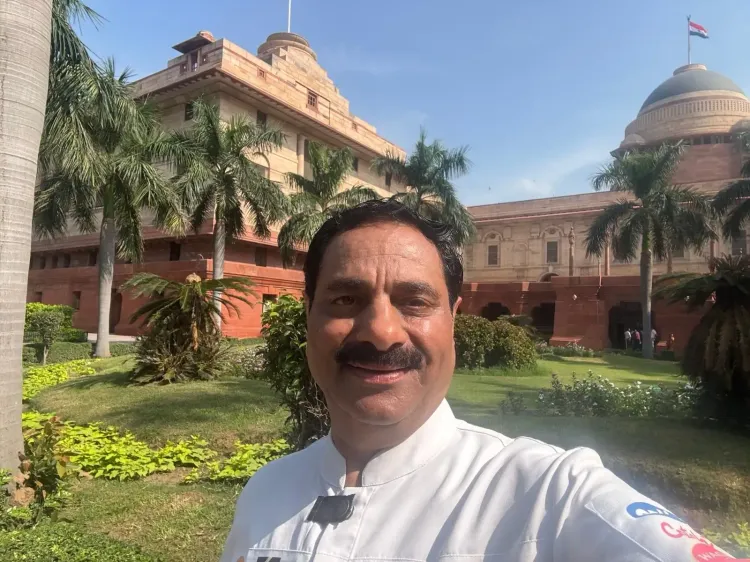
Chef Nand Lal Sharma of the Himachal Chef Association completed a week-long culinary training at Rashtrapati Bhavan , introducing authentic Himachali dishes to its diplomatic menu.
The President's Secretariat formally invited Sharma via a letter dated 16 July to the Himachal Pradesh Tourism Development Corporation .
President Droupadi Murmu reportedly favoured the guchhi mushroom dish most; she also enjoyed bathu ki kheer and sepu vadi .
Sharma trained four cooks , including one personal chef of the President, in traditional Kangri and Mandiali cuisines.
Guchhi (Morchella Esculenta) grows in dense deodar forests across Shimla , Chamba , Kullu , and Mandi districts and is classified as 'minor forest produce.' Food was served on traditional pattals (leaf plates) in keeping with hill custom; utensils used for cooking are traditionally made of copper or brass .
Traditional cuisines from Himachal Pradesh are set to grace the diplomatic dining table at Rashtrapati Bhavan, with mountain delicacies — including the rare and globally prized guchhi morel mushroom — now being introduced to the menu served to visiting dignitaries and elite guests, following a week-long culinary training programme conducted by Himachal Pradesh's acclaimed government chef Nand Lal Sharma.
How It Came About
The President's Secretariat formally invited Sharma, Consultant (Food and Beverage) with Himachal Tourism and President of the Himachal Chef Association, to train cooks at Rashtrapati Bhavan in authentic Himachali preparations. The invitation followed a letter dated 16 July from the President's office to the Himachal Pradesh Tourism Development Corporation Managing Director, requesting Sharma's deputation. The missive noted that during President Droupadi Murmu's recent visit to Mashobra, Shimla, her office had found Sharma to possess 'great expertise in local cuisines' and that the President had been 'highly appreciative' of his cooking.
Sharma confirmed the assignment, calling it 'a profound honour and a truly humbling experience to showcase our food cultures that will help connect communities across the Himalayan state.'
What Was Cooked and Served
During his week-long stay at Rashtrapati Bhavan, Sharma prepared dishes from the Kangra and Mandi regions — locally referred to as Kangri and Mandiali cuisines — using local ingredients, slow-cooking techniques, and recipes rooted in generational tradition. Food was served on pattals (broad leaf plates), with rice presented first, followed by successive rounds of other dishes, in keeping with hill customs.
The traditional Mandiali spread included rajmah, kale chane ka khatta, maa ki dal cooked with generous amounts of desi ghee, karahi, sepu vadi, kaddu ka mitha, and rice. The Kangra Valley multi-course meal featured mandra, mahni, maah, chana dal, budane ka mitha, rainthla, and meethe chawal — the region's signature sweet-spiced fragrant rice dessert.
Sharma also trained four cooks at Rashtrapati Bhavan, including one personal chef of President Murmu. The President, who follows a strict vegetarian diet without onion or garlic, was particularly taken with bathu ki kheer — a dessert made from chenopodium seeds grown at high altitude — and sepu vadi, urad dal dumplings simmered in curd gravy. The guchhi recipe, however, was reportedly her favourite.
The Guchhi: A Himalayan Delicacy on the World Stage
Guchhi, scientifically known as Morchella Esculenta, is a morel mushroom variety that grows naturally on snowy slopes across dense deodar forests in the interiors of Shimla, Chamba, Kullu, and Mandi districts. It ranks among the world's most prized and expensive mushrooms. Villagers are permitted by the Forest Department to collect it as 'minor forest produce', though its trade remains unregulated, making overall production estimates unavailable.
The Dham Tradition
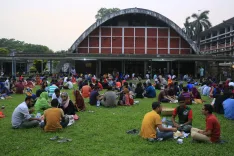
Central to Himachali culinary identity is the dham — a traditional, multi-course saatvik (purely vegetarian) feast served on special occasions such as weddings and festivals. Diners sit on the ground together and eat without cutlery, in a communal setting. Dham is prepared by Bhotis, the Brahmin cook community that has safeguarded this tradition for generations, using vessels made predominantly of copper or brass.
'For us, Himachali food is soul-rooted in Himalayan cultures,' Sharma said, adding that preserving its authenticity while 'showcasing culinary diversity of the mountain communities on the diplomatic table' was the purpose of his visit. Sharma, formerly chief chef at Hotel Holiday Home in Shimla, brings both institutional expertise and deep familiarity with the region's food heritage to the role. The introduction of Himachali cuisine at Rashtrapati Bhavan marks a meaningful step in India's cultural diplomacy, placing the Himalayan state's food traditions in front of the country's most distinguished international guests.
Point of View
Collected by villagers under a Forest Department permit, and entirely unquantified in trade data. Its appearance on the Rashtrapati Bhavan menu may prompt a long-overdue conversation about sustainably managing — and economically capturing — one of the Himalayan region's most valuable natural assets.
NationPress
16 Sept 2026
Frequently Asked Questions
Why is Himachali cuisine being introduced at Rashtrapati Bhavan?
The President's Secretariat invited Himachal government chef Nand Lal Sharma to train Rashtrapati Bhavan's kitchen staff in authentic Himachali dishes after President Droupadi Murmu was impressed by his cooking during her visit to Mashobra, Shimla. The move is aimed at bringing mountain culinary heritage to India's diplomatic dining table.
What is guchhi and why is it considered special?
Guchhi, or Morchella Esculenta, is a rare morel mushroom that grows naturally on snowy slopes and in dense deodar forests across Shimla, Chamba, Kullu, and Mandi districts of Himachal Pradesh. It is ranked among the world's most prized and expensive wild mushrooms, collected by villagers as 'minor forest produce' under Forest Department permission.
Which Himachali dishes were prepared at Rashtrapati Bhavan?
Chef Sharma prepared dishes from the Kangra and Mandi regions, including rajmah, sepu vadi, maa ki dal, kaddu ka mitha, mandra, rainthla, meethe chawal, bathu ki kheer, and guchhi preparations. President Murmu, who follows a vegetarian diet without onion or garlic, reportedly liked the guchhi recipe and bathu ki kheer most.
What is the traditional Himachali dham feast?
Dham is a multi-course saatvik (vegetarian) feast served on special occasions like weddings and festivals in Himachal Pradesh. Diners sit on the ground together and eat without cutlery from pattals (leaf plates); it is prepared by Bhotis, the Brahmin cook community that has maintained this tradition across generations using copper and brass utensils.
Who is chef Nand Lal Sharma?
Nand Lal Sharma is a Consultant (Food and Beverage) with Himachal Tourism and President of the Himachal Chef Association, formerly the chief chef at Hotel Holiday Home in Shimla. He was formally deputed by the Himachal Pradesh Tourism Development Corporation to train cooks at Rashtrapati Bhavan following a request from the President's office dated 16 July.