Has South-East Asia Really Achieved 15 Years of Being Polio-Free?
Synopsis
Discover the remarkable journey of South-East Asia as it celebrates 15 years of being polio-free. This significant milestone, achieved through unwavering commitment and innovative health strategies, showcases the region's dedication to public health. Dive into the details of vaccination efforts and the importance of continued vigilance against poliovirus.
Key Takeaways
15 years without wild poliovirus in South-East Asia.
High immunization coverage remains above 90% .
Robust surveillance systems are in place to monitor poliovirus.
Environmental surveillance targets high-risk populations.
Continued vigilance is essential as polio exists globally.
New Delhi, Jan 13 (NationPress) The South-East Asia Region, which is home to a quarter of the global population, has celebrated 15 years since its last occurrence of wild poliovirus, as reported by the World Health Organization (WHO) on Tuesday.
This region has not only maintained its polio-free status but has also leveraged innovations and insights from the polio initiative to enhance overall public health advancements, according to the global health organization.
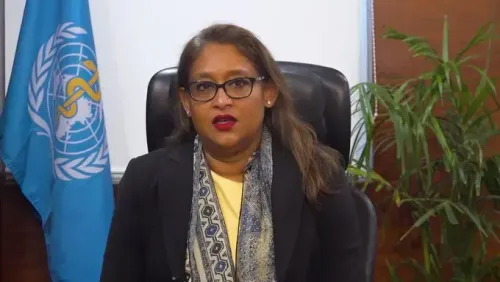
“This remarkable success stemmed from unmatched efforts and illustrates what can be achieved and preserved through steadfast government leadership, a committed health workforce, and robust collaborations, including with community members,” expressed Dr. Catharina Boehme, Officer-in-Charge, WHO South-East Asia Region.
“The transition from polio endemicity to a sustained polio-free status showcases that ambitious public health objectives are indeed attainable,” Boehme continued.
The last documented case of wild poliovirus in the South-East Asia Region was an 18-month-old girl who was paralyzed in Howrah, West Bengal, on January 13, 2011.
This case prompted an exhaustive response, leading to the WHO declaring the region polio-free on March 27, 2014.
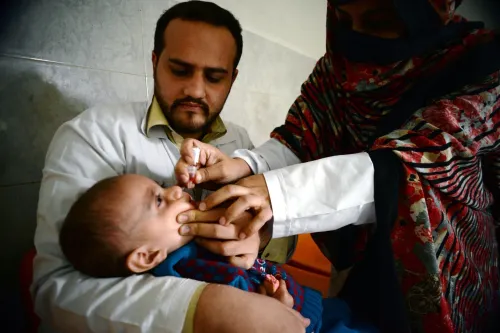
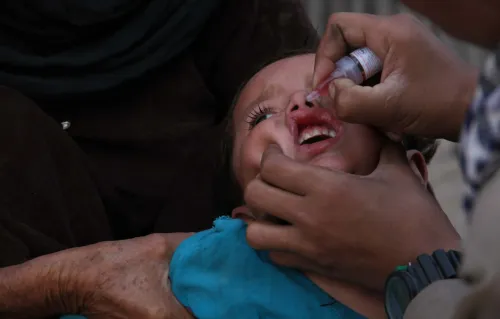
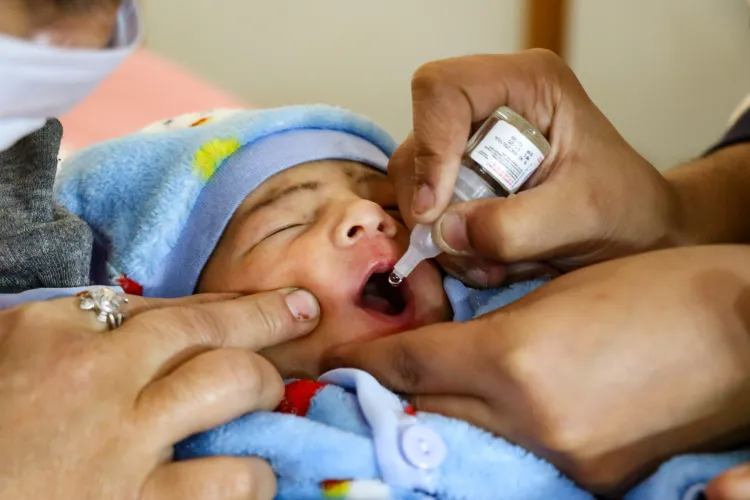
The organization emphasized that vigilance against the importation of poliovirus remains essential, and children continue to be safeguarded through vaccination against a disease that once led to widespread paralysis and fatalities.
In 2025, over 50,000 stool samples were collected and tested throughout the region via a network of 13 WHO-accredited laboratories, including national, regional, and global references. Surveillance efforts continue to surpass the criteria needed for maintaining polio-free certification.
Environmental surveillance is also being conducted at 93 sites targeting high-risk populations across five nations.
Vaccination coverage, including the bivalent oral polio vaccine and at least one dose of inactivated polio vaccine, has consistently remained above 90% for several years.
“As long as polio persists anywhere on the planet, the threat of importation remains. Countries must uphold high immunization rates, sensitive surveillance, and rapid response capabilities for polio and other vaccine-preventable diseases,” Boehme warned.
“WHO is dedicated to assisting nations in ensuring every child is protected through robust routine immunization systems and advancing disease elimination across the region,” she added.
Point of View
I view the milestone of 15 years of a polio-free South-East Asia as a testament to the region's resilience and commitment. This achievement reflects the dedication of health workers and communities, highlighting the importance of sustained efforts in vaccination and public health initiatives. Our responsibility now is to maintain this status and ensure the safety of future generations.
NationPress
24 Sept 2026
Frequently Asked Questions
What is the significance of being polio-free for 15 years?
Being polio-free for 15 years demonstrates the success of vaccination programs and public health initiatives in preventing the disease, showcasing the capability of communities and governments to sustain health efforts.
How does the WHO ensure the region stays polio-free?
The WHO maintains strict surveillance and vaccination programs, testing over 50,000 stool samples annually and conducting environmental surveillance at high-risk sites to prevent any resurgence of poliovirus.
What can be done to maintain the polio-free status?
To maintain the polio-free status, countries must sustain high immunization coverage, effective surveillance systems, and rapid response capabilities to tackle any potential outbreaks.