South Korea's Job Market: 206,000 New Positions Added in March

Synopsis
In March, South Korea added 206,000 jobs, continuing a trend above 200,000 for the second month. Despite this growth, challenges remain, particularly in youth employment and the manufacturing sector. Discover what these trends mean for the economy.
Key Takeaways
206,000 jobs added in March, marking sustained growth.
Challenges persist in youth employment, with a 41-month decline.
Health care sector leads job growth with significant increases.
Manufacturing sector continues to struggle, losing jobs for 21 months.
Retail faces challenges due to shifts in consumer behavior .
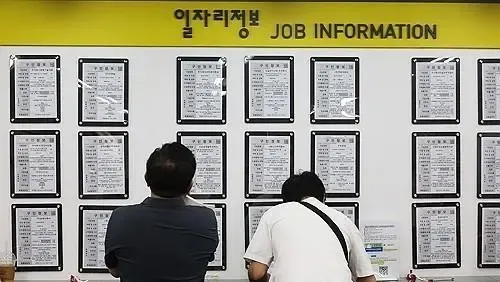
Seoul, April 15 (NationPress) In March, South Korea saw an increase of 206,000 jobs, surpassing the 200,000 mark for the second consecutive month. However, the data released on Wednesday highlighted ongoing challenges in youth employment and the manufacturing sector. The total number of employed individuals rose by 0.7 percent compared to the previous year, reaching 28.79 million as reported by the Ministry of Data and Statistics, according to Yonhap news agency.
After experiencing two months of reduced job growth, the figures rebounded in February, achieving the 200,000 range.
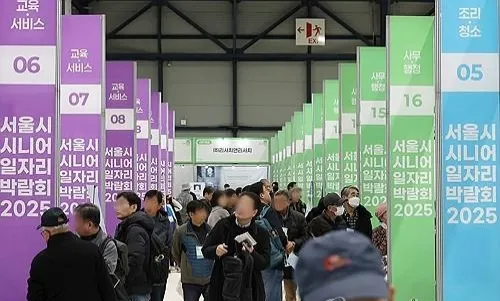
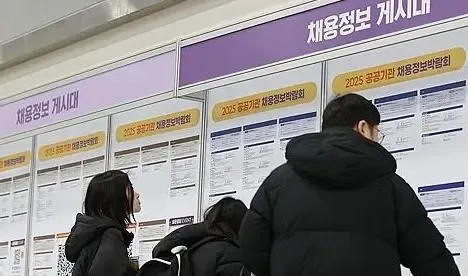
Looking at age demographics, employment for those aged 15 to 29 dropped by 147,000 in March, marking the 41st consecutive month of decline in this category, as stated by the ministry.
The youth employment rate also saw a decrease for the 23rd consecutive month, falling by 0.9 percentage points from the previous year to 43.6 percent in March.
“The decline in youth employment is evident in sectors such as lodging and food services, information and communications, and manufacturing,” noted Bin Hyun-joon, a ministry official. He emphasized that this trend reflects a preference for experienced candidates and an increase in rolling recruitment strategies.
Conversely, the employment figures for individuals aged 60 and above rose by 242,000.
Among industries, the health care and social welfare sector led job creation with an addition of 294,000 positions, showing a 9.4 percent increase year-on-year. The transportation and warehousing sector gained 75,000 jobs, while the arts, sports, and leisure-related services sector added 44,000 jobs.
In stark contrast, the manufacturing sector, a critical component of South Korea's economy, lost 42,000 jobs, extending its downturn for the 21st consecutive month.
The construction sector recorded a decline of 16,000 jobs, continuing its streak of losses for 23 months.
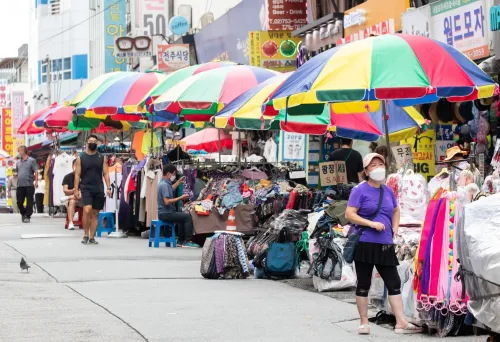
Additionally, employment in the wholesale and retail sector fell by 18,000, marking its first year-on-year decline since April last year. According to the ministry, this reduction is attributed to structural changes, including the rise of online shopping and increased automation, which have negatively impacted retail job opportunities.
The accommodation and food service sector experienced a loss of 2,000 jobs, remaining in negative territory for the fifth consecutive month since November. The four sectors—manufacturing, construction, retail, and accommodation—are viewed as key indicators of domestic demand, the ministry pointed out.
Furthermore, the professional, scientific, and technical services sector saw a decrease of 61,000 jobs, marking four months of consecutive declines primarily due to the impact of artificial intelligence (AI), as reported by the ministry.
The number of economically inactive individuals rose by 69,000 from the previous year, totaling 16.27 million. Notably, the number of people indicating they were not working due to rest increased by 31,000 to 2.55 million, according to ministry data.
Point of View
The latest employment figures from South Korea indicate a complex job market, with significant growth in several sectors while also highlighting ongoing issues, particularly among younger workers and in manufacturing. This duality reflects broader economic trends that policymakers must address to ensure sustainable growth.
NationPress
19 Sept 2026
Frequently Asked Questions
What was the job growth in South Korea for March?
South Korea added 206,000 jobs in March, marking the second consecutive month above 200,000.
How has youth employment changed in South Korea?
Youth employment decreased by 147,000 in March, continuing a 41-month decline.
Which sector saw the largest job growth?
The health care and social welfare sector added 294,000 jobs, representing a 9.4 percent increase compared to last year.
What is the employment trend in manufacturing?
The manufacturing sector lost 42,000 jobs in March, extending its downturn to 21 consecutive months.
What factors are affecting retail employment?
Retail employment is declining due to structural changes like the rise of online shopping and increased automation.