Tesla Q1 2026 Revenue Surges 16% on FSD Subscriptions Boom
Synopsis
Tesla's Q1 2026 earnings delivered a 16% revenue surge to $22.38 billion, but the real headline is FSD subscriptions soaring 51% to 1.28 million — signalling Tesla's quiet transformation from an EV company into an AI software giant, even as deliveries missed Wall Street targets.
Key Takeaways
Tesla Q1 2026 revenue rose 16 per cent year-on-year to $22.38 billion , up from $19.3 billion in Q1 2025.
Full Self-Driving (FSD) subscriptions surged 51 per cent YoY to 1.28 million active subscribers, marking Tesla's fastest-growing revenue segment.
Net income increased to $477 million from $409 million in Q1 2025, aided by warranty and tariff-related one-time benefits.
Vehicle deliveries of 3,58,023 units missed analyst estimates of ~3,68,000, while production of 4,08,386 vehicles significantly outpaced deliveries.
Tesla CFO Vaibhav Taneja flagged negative free cash flow for the rest of 2026, with capex planned at $25 billion — nearly 3x historical levels.
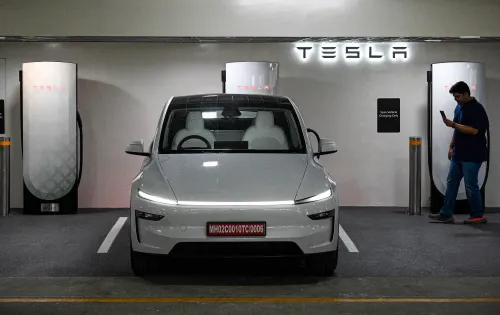
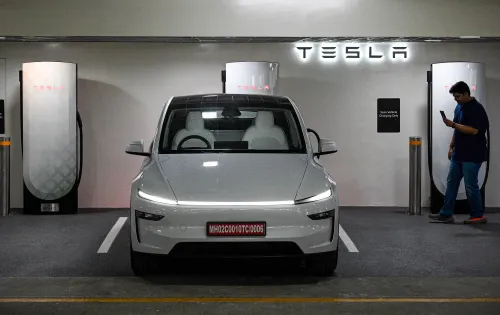
Tesla launched the six-seater Model Y L in India with bookings open and deliveries expected from June 2026 at experience centres in Mumbai, Delhi, and Gurugram.
Tesla posted a strong financial performance in the first quarter of calendar year 2026, with total revenue climbing 16 per cent year-on-year to $22.38 billion, powered by surging subscriptions to its Full Self-Driving (FSD) supervised system, higher average vehicle prices, and expanding services revenue. The results, released on April 23, 2026, sent Tesla shares up 4 per cent in after-hours trading, signalling renewed investor confidence in the EV and AI giant.
Revenue and Profit Highlights
Automotive revenue rose to $16.2 billion in Q1 2026, compared with $13.96 billion in the same quarter of 2025, reflecting stronger average selling prices and a richer product mix. Overall revenue of $22.38 billion comfortably beat the prior-year figure of $19.3 billion.
Net income came in at $477 million, up from $409 million in Q1 2025, partly aided by one-time automotive benefits linked to warranty adjustments and tariff-related gains. Free cash flow more than doubled year-on-year to $1.44 billion, a figure that underscores improving operational efficiency even as the company navigates a costly strategic pivot.
FSD Subscriptions: The Growth Engine
Active subscriptions to Tesla's Full Self-Driving system surged 51 per cent year-on-year, reaching 1.28 million by the end of the quarter. This is arguably the most strategically significant data point in the earnings release, as recurring software revenue carries far higher margins than hardware sales.
The FSD subscription model represents Tesla's transition from a pure-play electric vehicle manufacturer to an AI and software company — a shift that CEO Elon Musk has described as both necessary and painful. Analysts note that if FSD subscriber growth continues at this pace, software revenue could eventually rival automotive revenue within a few years, fundamentally re-rating Tesla's valuation on Wall Street.
Deliveries Miss Estimates; Production Outpaces Sales
Despite the revenue beat, vehicle deliveries for Q1 2026 totalled 3,58,023 units, falling short of analyst consensus estimates of approximately 3,68,000 units. Production, however, reached 4,08,386 vehicles during the period — significantly exceeding deliveries and pointing to a growing inventory build that could weigh on future quarters if demand does not accelerate.
The delivery miss is a reminder that Tesla's demand environment remains uneven globally, even as its software and services segments outperform. Notably, macroeconomic headwinds, rising competition from Chinese EV makers, and ongoing geopolitical uncertainty around tariffs continue to create friction in key markets.
Cash Flow Warning and Capital Expenditure Plans
Tesla CFO Vaibhav Taneja issued a candid forward guidance, warning that the company expects negative free cash flow for the remainder of 2026. The company plans to spend approximately $25 billion in capital expenditure during the full year — nearly three times its historical annual capex — as it accelerates investments in AI infrastructure, robotics, and manufacturing expansion.
This level of spending signals that Tesla is betting aggressively on its next phase of growth, even at the cost of near-term cash generation. The investments are expected to fund Gigafactory expansions, the Optimus humanoid robot programme, and the buildout of its AI compute clusters — all critical to Musk's vision of Tesla as an autonomous systems company rather than just an automaker.
Tesla Expands India Footprint with Model Y L Launch
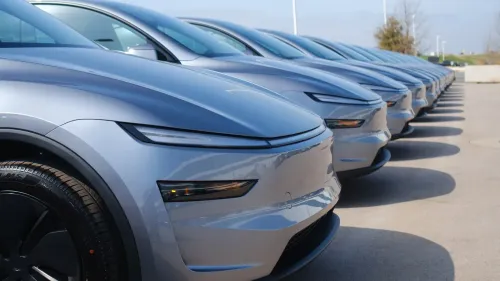
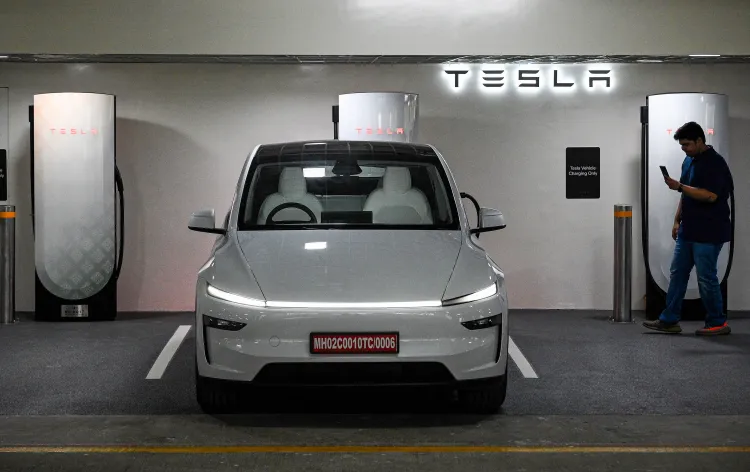
On the India front, Tesla this week unveiled the new six-seater Model Y L — a family-focused electric SUV designed for space, comfort, and performance — expanding its local portfolio. Online bookings opened immediately on Tesla's official website, with deliveries expected from June 2026 across India.
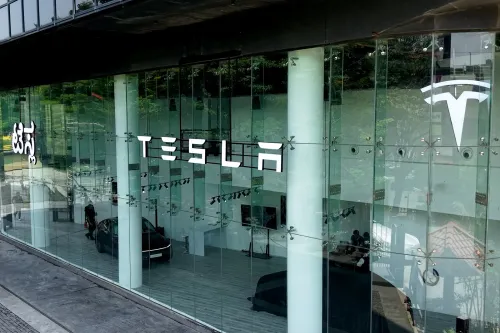
The Model Y L will be available for public viewing from April 23, 2026, at Tesla's experience centres in Bandra Kurla Complex, Mumbai; Aerocity, Delhi; and Gurugram. The India expansion is strategically timed as the government continues to offer incentives for premium EV imports, and as domestic EV adoption accelerates among urban consumers.
This comes amid intensifying competition in India's premium EV segment from BMW, Mercedes-Benz, and homegrown players like Tata Motors and Mahindra, making Tesla's pricing and charging infrastructure strategy critical to its Indian ambitions. With FSD subscriptions not yet available in India, the local revenue model remains hardware-dependent for now — but the groundwork being laid today could unlock significant software revenue as regulatory approvals evolve.
Looking ahead, all eyes will be on whether Tesla can convert its production surplus into actual deliveries, sustain FSD subscription growth, and manage its unprecedented capex cycle without straining its balance sheet through the rest of 2026.
Point of View
But the more consequential narrative is the 51 per cent surge in FSD subscriptions — a metric that reveals Tesla is quietly becoming a recurring-revenue software business disguised as a car company. The irony is sharp: even as deliveries missed analyst targets and Musk warns of painful transitions and negative cash flows ahead, the market rewarded the stock 4 per cent — because investors are pricing in the AI and robotics future, not the present. India's Model Y L launch adds another layer: Tesla is planting its flag in one of the world's fastest-growing EV markets precisely when competition is fiercest, betting that brand cachet and software differentiation will win over price-sensitive Indian consumers.
NationPress
19 Sept 2026
Frequently Asked Questions
What was Tesla's revenue in Q1 2026?
Tesla reported total revenue of $22.38 billion in Q1 2026, a 16 per cent increase from $19.3 billion in Q1 2025. Automotive revenue alone rose to $16.2 billion from $13.96 billion in the same period last year.
How many FSD subscriptions does Tesla have in 2026?
Tesla's Full Self-Driving (FSD) active subscriptions reached 1.28 million by Q1 2026, representing a 51 per cent year-on-year increase. This rapid growth in software subscriptions is being seen as a key driver of Tesla's long-term profitability.
Why did Tesla shares rise after Q1 2026 earnings?
Tesla shares rose 4 per cent following the Q1 2026 earnings release due to better-than-expected revenue, a doubling of free cash flow to $1.44 billion, and strong FSD subscription growth. Investor optimism around Tesla's AI and robotics transition also contributed to the rally.
What is Tesla Model Y L and when will it launch in India?
The Tesla Model Y L is a new six-seater electric SUV designed for families, offering enhanced space, comfort, and performance. It was unveiled in India this week with online bookings already open, and deliveries are expected to begin from June 2026 across major Indian cities.
Will Tesla have negative cash flow in 2026?
Yes, Tesla CFO Vaibhav Taneja warned that the company expects negative free cash flow for the remainder of 2026. This is primarily due to a planned capital expenditure of approximately $25 billion for the full year — nearly three times Tesla's historical annual spending — directed at AI, robotics, and manufacturing expansion.