Is Thyroid Health a National Priority? Minister Pushes for Awareness and Research Partnerships

Synopsis
Union Minister Dr. Jitendra Singh stresses the need for enhanced awareness and research partnerships regarding thyroid health in India. With millions affected, he calls for decisive action to combat this hidden epidemic that threatens national productivity and demographic health.
Key Takeaways
Thyroid disorders are a significant health concern in India.
Over 42 million Indians are affected by thyroid issues.
Hypothyroidism impacts 11% of adults , often going undiagnosed.
Early detection can prevent severe health consequences.
Multidisciplinary collaboration is essential for addressing thyroid health comprehensively.
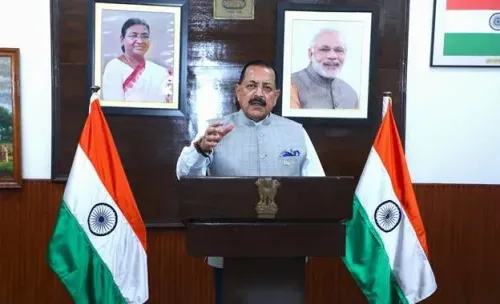
Mumbai, Feb 9 (NationPress) Union Minister Dr. Jitendra Singh emphasized on Monday that thyroid disorders present a significant national issue, intricately tied to productivity, demographics, and the overall development of the nation.
He called upon the Indian Thyroid Society and the broader medical community to enhance awareness, foster collaborative research, and prioritize early detection, as stated in an official release.
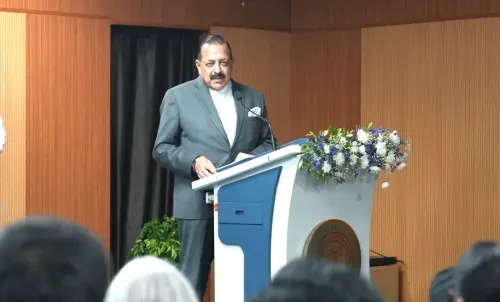
During a conference with endocrinologists, Dr. Singh noted that undiagnosed thyroid conditions, especially hypothyroidism, can diminish energy levels, reduce workforce efficiency, and ultimately impact the long-term productivity of a nation with over 70% of its population below 40 years of age.
With approximately 42 million Indians affected by thyroid disorders, Singh highlighted the need for a robust research focus and public health response to tackle this challenge effectively.
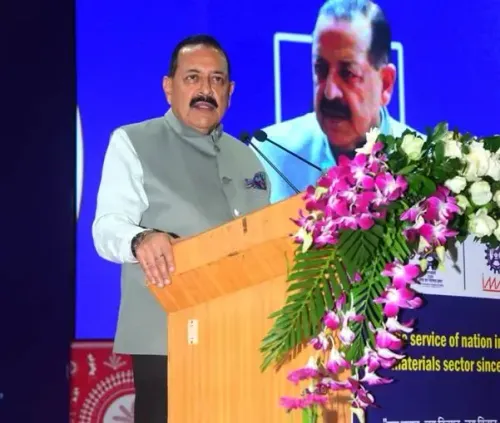
He advocated for enhanced multidisciplinary cooperation among life sciences, medical sciences, and related sectors to comprehensively address thyroid disorders. He insisted that such significant medical issues cannot be relegated to a single domain but require broader societal knowledge and institutional collaboration.
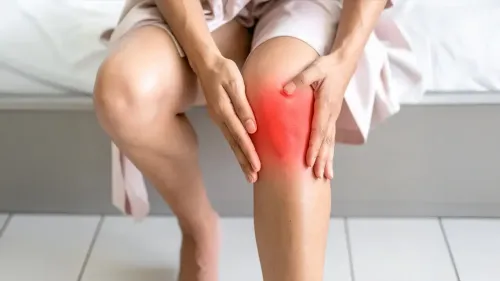
Hypothyroidism impacts nearly 11% of the adult population, and many cases go undiagnosed. Undetected hypothyroidism during pregnancy can lead to congenital hypothyroidism and irreversible neurodevelopmental damage in children.
Furthermore, the minister spotlighted the Biopharma Shakti Mission, India’s advances in biotechnology, and the establishment of the Anusandhan National Research Foundation, along with a Rs 1 lakh crore framework for Research Development and Innovation to bolster research through private and philanthropic involvement.
He referenced India’s advancements in biotechnology, such as the development of the nation’s first indigenously-produced antibiotic effective against resistant infections, successful gene therapy trials for haemophilia, and the deployment of the DNA vaccine during the COVID-19 pandemic.
Point of View
It is essential to align with the nation's approach to health issues. The emphasis on thyroid health by Union Minister Dr. Jitendra Singh underscores the importance of a comprehensive response to a growing health concern affecting millions. The call for research and awareness is vital for the future productivity and well-being of our population.
NationPress
19 Sept 2026
Frequently Asked Questions
What are thyroid disorders?
Thyroid disorders are medical conditions affecting the thyroid gland, which regulates metabolism, energy levels, and overall health.
How many people in India suffer from thyroid disorders?
Approximately 42 million Indians are currently living with thyroid disorders.
What is hypothyroidism?
Hypothyroidism is a condition where the thyroid gland does not produce enough thyroid hormones, impacting energy levels and overall health.
Why is early detection important?
Early detection of thyroid disorders is crucial to prevent long-term health issues, including productivity loss and developmental problems in children.
What initiatives are being taken to address thyroid health?
The Biopharma Shakti Mission and the establishment of the Anusandhan National Research Foundation aim to enhance research and awareness surrounding thyroid health.