Does the New WHO SEARO Building Reflect a Collective Commitment to Global Health?
Synopsis
The new WHO SEARO building inaugurated by PM Modi and Dr. Tedros marks a significant step in global health cooperation. Health Minister Nadda emphasizes India's commitment to regional collaboration in tackling shared public health challenges, showcasing the importance of traditional medicine in contemporary healthcare.
Key Takeaways
The WHO SEARO building represents a unified commitment to global health.
Inaugurated by PM Modi and Dr.
Tedros , it highlights international cooperation.
India's integration of traditional medicine into health policy is pivotal.
The facility aims to improve health outcomes for nearly half a billion people .
Collective action is essential for tackling public health challenges.
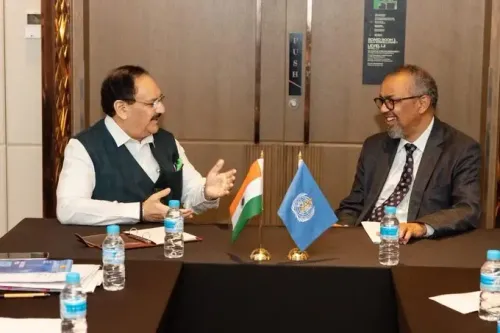
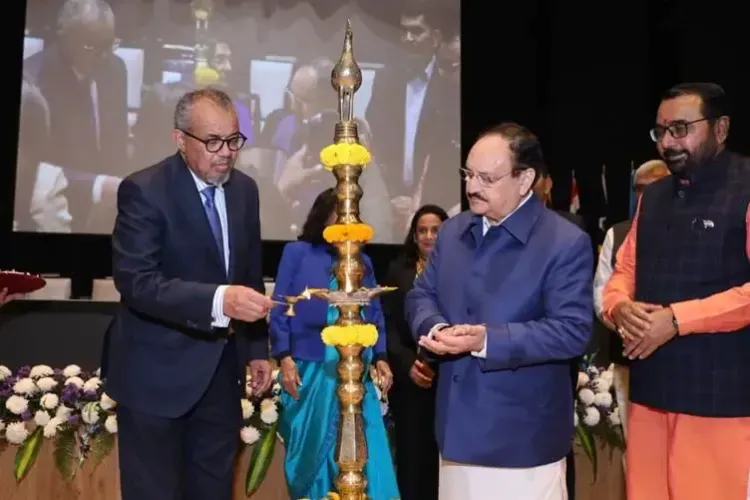
New Delhi, Dec 20 (NationPress) The newly inaugurated WHO South East Asia Regional Office (SEARO) building stands as a powerful testament to the united commitment towards global health, according to Union Minister for Health and Family Welfare JP Nadda.
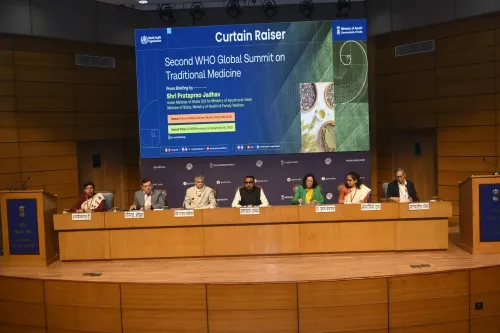
This modern facility was officially opened by Prime Minister Narendra Modi alongside Dr. Tedros Adhanom Ghebreyesus, the Director-General of the World Health Organization (WHO), during the closing ceremonies of the second WHO Global Summit on Traditional Medicine held at Bharat Mandapam.
During his visit, Nadda emphasized India's steadfast dedication to enhancing both regional and global health collaborations. He pointed out that the pressing public health challenges we face necessitate a unified, coordinated, and ongoing effort among countries.
“The WHO SEARO building transcends being just a physical structure; it symbolizes the shared aspirations and determination of the South-East Asia Region’s populace,” the Union Health Minister remarked.
He added that this facility embodies the spirit of unity and cooperation in promoting public health and well-being, impacting nearly half a billion individuals across the region.
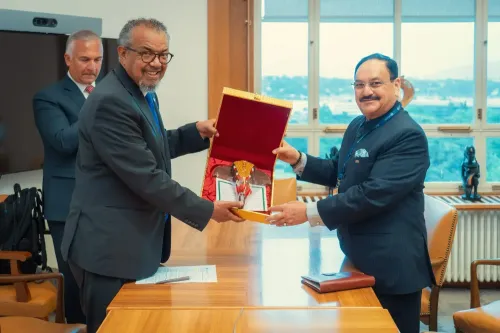
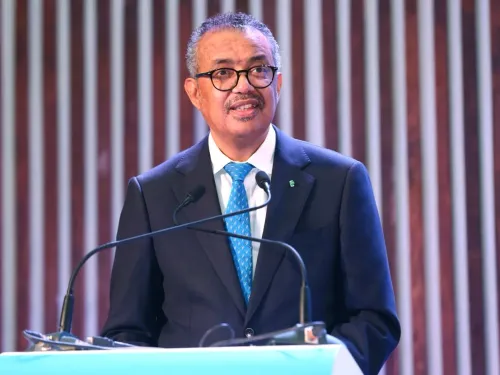
On the same occasion, the WHO Director-General characterized the WHO SEARO building as a strong emblem of collective purpose and dedication to serving humanity.
“This new establishment signifies the long-standing and trusted partnership between the World Health Organization and the Government of India in promoting public health at both regional and global scales,” Dr. Tedros noted.
In his remarks at the Summit, the WHO leader praised India's contributions to integrating traditional medicine within the global health framework.
“From the inception of a dedicated Ministry of Ayush to the establishment of the WHO Global Traditional Medicine Centre in Jamnagar, India has demonstrated that tradition and innovation, heritage and science can progress in tandem. Through its ancient Ayush systems, India has illustrated that traditional wisdom and modern science can coexist harmoniously,” Dr. Tedros stated.
He noted that traditional medicine holds the potential to tackle numerous health threats prevalent in today's world, including the rising incidence of noncommunicable diseases, unequal access to healthcare services, and the challenges posed by climate change.
Point of View
The inauguration of the WHO SEARO building is a pivotal development in the realm of global health. It not only underscores India's role in international health cooperation but also reflects the growing emphasis on integrating traditional medicine into modern healthcare strategies. This facility is a beacon of hope for millions, and its establishment signals a concerted effort towards enhancing health outcomes across the region.
NationPress
18 Sept 2026
Frequently Asked Questions
What is the significance of the WHO SEARO building?
The WHO SEARO building symbolizes a collective commitment to global health, emphasizing the importance of collaboration among nations in addressing public health challenges.
Who inaugurated the WHO SEARO building?
The building was inaugurated by Prime Minister Narendra Modi and WHO Director-General Dr. Tedros Adhanom Ghebreyesus.
How does the building reflect India's commitment to health?
It showcases India's dedication to strengthening regional health cooperation and integrating traditional medicine into contemporary healthcare.
What role does traditional medicine play in global health?
Traditional medicine can address numerous health threats, including noncommunicable diseases and unequal access to health services, thereby complementing modern healthcare practices.
What is the potential impact of the WHO SEARO building?
The facility is expected to serve nearly half a billion people and enhance public health across the South-East Asia region.