How is India Advancing Traditional Medicine through Research and Global Collaboration?

Synopsis
India is at the forefront of enhancing traditional medicine, combining ancient wisdom with modern science. With upcoming global summit discussions and partnerships with the WHO, learn how India is paving the way for a healthier future through integrative health approaches.
Key Takeaways
India is strengthening traditional medicine through enhanced research and quality frameworks.
Global collaboration with WHO highlights the importance of integrating modern and traditional practices.
The upcoming WHO Global Summit will focus on advancing traditional medicine.
Traditional medicine is recognized as vital for achieving Health for All .
India's role in shaping global frameworks for traditional medicine is increasingly significant.
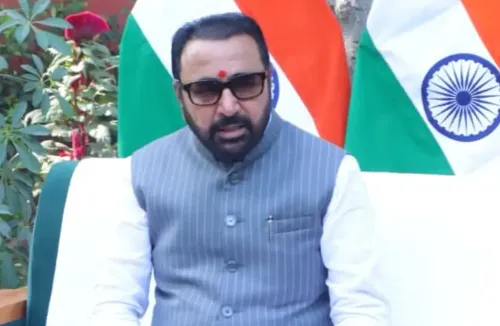
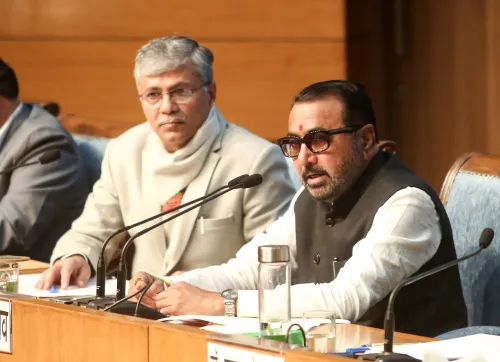
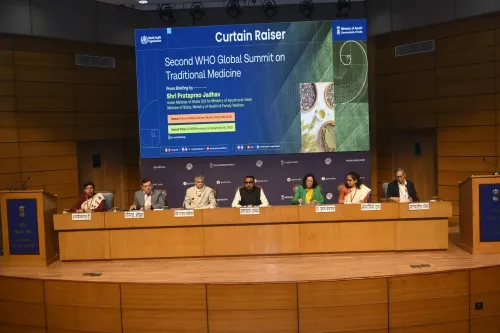
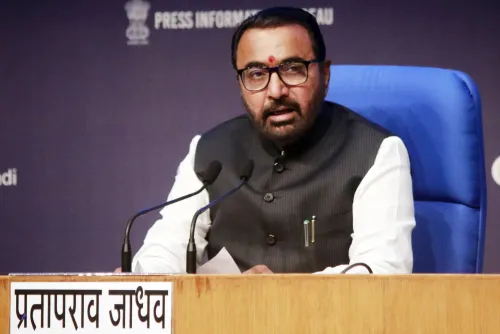
New Delhi, Nov 10 (NationPress) India is making significant strides in the field of traditional medicine by reinforcing research efforts, fostering global partnerships, and improving quality and safety protocols, stated Union Minister Prataprao Jadhav on Monday.
Jadhav emphasized that traditional medicine embodies a wealth of cultural heritage, community insights, and humanity's collective understanding of wellness and nature. The global community is increasingly recognizing the importance of integrative health methods that synergize traditional knowledge with contemporary medical practices.
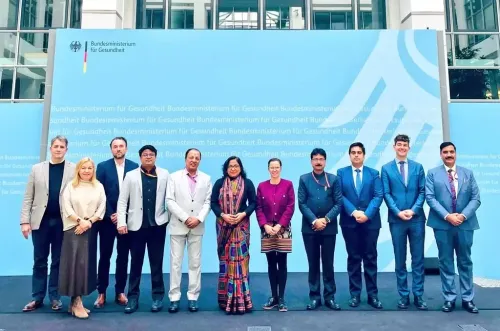
“By collaborating closely with the WHO and the Global Centre for Traditional Medicine located in Jamnagar, our objective is to bolster research initiatives, elevate quality and safety benchmarks, and ensure that the advantages of traditional medicine are accessible to everyone,” the minister underscored.
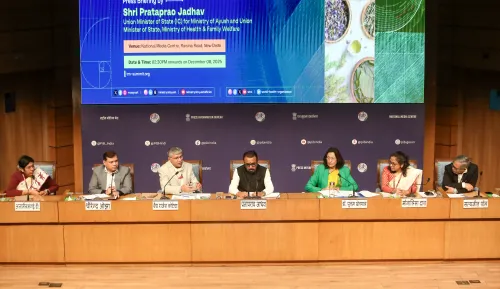
The Ministry of Ayush, in collaboration with the World Health Organization (WHO), hosted an Ambassadors’ Reception in New Delhi as a lead-up to the ‘2nd WHO Global Summit’ on Traditional Medicine set for December 17–19 in the city.
This high-profile event briefed ambassadors, high commissioners, and diplomatic envoys on the summit's vision, its significance for global health, and the potential for collaborative efforts in promoting evidence-based traditional medicine.
Vaidya Rajesh Kotecha, Secretary of the Ministry of Ayush, remarked that India, in partnership with WHO and international stakeholders, is dedicated to enhancing standards, advancing research, and guaranteeing quality assurance. “We believe that this global dialogue will encourage substantial international collaboration,” he stated.
Dr. Poonam Khetrapal, Regional Director Emeritus of WHO for the South-East Asia Region and Senior Advisor on Traditional Medicine to the WHO Director-General, affirmed, “Traditional medicine plays a crucial role in realizing the goal of Health for All.”
With 170 member states reporting its utilization and advancements in global frameworks, the momentum for this sector is unprecedented.
Ambassador Sibi George, Secretary (West) of the Ministry of External Affairs, highlighted India's pivotal role in shaping global frameworks for traditional medicine and the international importance of the Summit.
In framing the context for the Summit, Dr. Shyama Kuruvilla, Director of the WHO Global Traditional Medicine Centre, stated that the Summit aims to propel a global initiative to restore equilibrium for individuals and the planet, built on the foundations of Traditional Medicine.
Point of View
I believe India is demonstrating a strong commitment to traditional medicine, blending cultural heritage with scientific advancements. The government's collaboration with global entities like the WHO not only enhances healthcare standards but also reinforces the nation's position on the world stage. This initiative holds the potential to create impactful changes in global health approaches.
NationPress
30 Sept 2026
Frequently Asked Questions
What is the role of WHO in advancing traditional medicine in India?
The WHO collaborates with India to enhance research, quality standards, and safety protocols in traditional medicine, ensuring its benefits are widely accessible.
When is the 2nd WHO Global Summit on Traditional Medicine scheduled?
The 2nd WHO Global Summit on Traditional Medicine is scheduled for December 17-19 in New Delhi.
Why is traditional medicine important for global health?
Traditional medicine is essential for promoting integrative health approaches, combining ancient wisdom with modern medical science to improve health outcomes for all.
How many countries report the use of traditional medicine?
Currently, 170 member states report the use of traditional medicine, reflecting its global significance.
What is the significance of the Ambassadors’ Reception hosted by the Ministry of Ayush?
The Ambassadors’ Reception aimed to inform diplomatic representatives about the vision and opportunities related to the upcoming WHO Summit on Traditional Medicine.