Atal's 111 powers Afghanistan to historic draw vs Bangladesh in Abu Dhabi Test
Synopsis
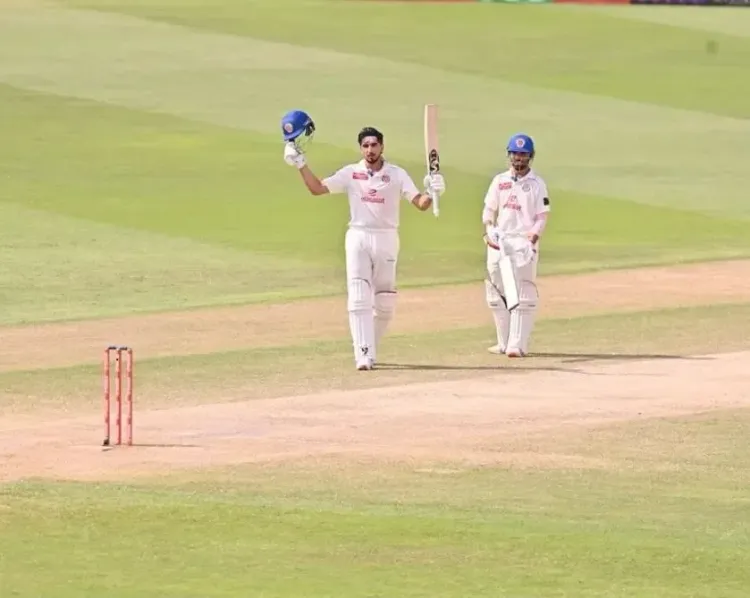
Sediqullah Atal batted for over eight hours to score Afghanistan's first-ever fourth-innings Test century, and a defiant last-wicket stand from Qais Ahmad and Zia-ur-Rehman denied Bangladesh what had seemed a certain win. Set 479 to win, Afghanistan survived 142 overs for a 346/8 draw — a result that Bangladesh, who missed run-outs and dropped catches, will rue for a long time.
Key Takeaways
Sediqullah Atal scored 111 off 332 balls — the first century by an Afghan batter in the fourth innings of a Test match.
Afghanistan batted 142 overs to finish on 346/8 , falling well short of the 479-run target but securing the draw.
Atal's innings lasted 8 hours 34 minutes — the seventh longest knock in the fourth innings of a Test in history.
Qais Ahmad was unbeaten on 49 off 80 balls , while Zia-ur-Rehman Akbar blocked out 12 balls without scoring to seal the result.
Bangladesh missed key chances including a drop by Hasan Mahmud and two run-out opportunities in the final session.
The draw is a landmark result for Afghanistan, who played their first Test only in 2018 .
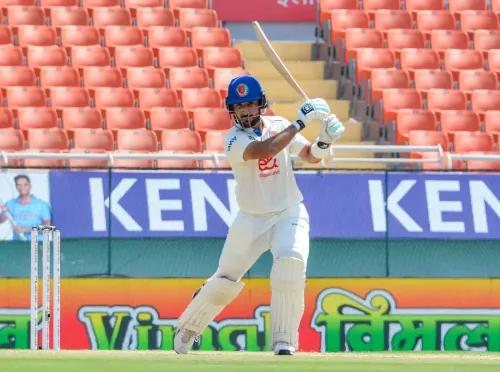
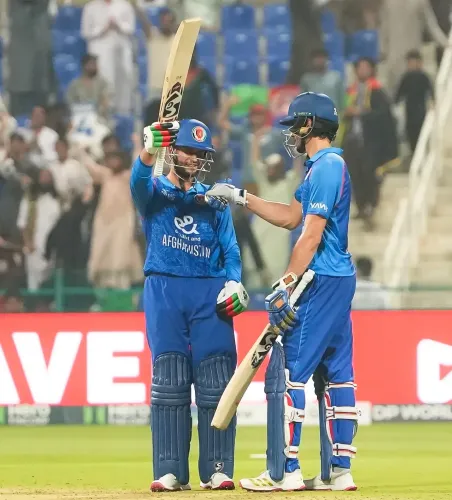
Sediqullah Atal's monumental 111 off 332 balls and a defiant lower-order rearguard from Yamin Ahmadzai, Qais Ahmad, and Zia-ur-Rehman Akbar helped Afghanistan secure a famous draw against Bangladesh in their one-off Test at the Sheikh Zayed Stadium in Abu Dhabi on Tuesday, 13 October 2026. Set an improbable target of 479, Afghanistan finished on 346/8, batting through 142 overs to deny Bangladesh a victory that had seemed inevitable at multiple points during the final day.
Atal's Defining Knock
Sediqullah Atal batted for an extraordinary eight hours and 34 minutes, anchoring Afghanistan's survival bid in what is already being described as a career-defining innings. His century is the first by an Afghan player in the fourth innings of a Test, and his innings ranks as the seventh longest knock recorded in the fourth innings of a Test match in history. Atal reached his fifty off 166 balls and survived a missed stumping by Litton Das on 70 — a let-off that ultimately proved decisive for the result.
He was eventually dismissed in the first hour of the final session for 111, leaving Afghanistan at 281/7 with roughly 22 overs still to play and only three wickets in hand. At that point, a Bangladesh win looked the likeliest outcome.
Lower-Order Heroics Seal the Draw
With the match on a knife-edge, the Afghan lower order produced a remarkable show of grit. Yamin Ahmadzai contributed 19 before being caught brilliantly by Mominul Haque at short fine leg to leave Afghanistan eight down. But Qais Ahmad — who also required hamstring treatment in the closing overs — held firm, finishing unbeaten on 49 off 80 balls, while Zia-ur-Rehman Akbar blocked out 12 balls without scoring a single run to ensure the match ended level.
Bangladesh Let Chances Slip
Bangladesh were unable to convert a dominant position into victory, with several missed opportunities proving costly. Hasan Mahmud dropped Qais at mid-wicket, while the fielding side also missed a couple of run-out chances in the crucial final session. These errors collectively allowed Afghanistan's tail to survive long enough to complete the draw. This is the kind of passage of play that can define a team's Test development — and for Bangladesh, it will be a session to forget.
How the Match Unfolded
Afghanistan resumed the final day on 132/3 with Atal and captain Hashmatullah Shahidi at the crease. Shahidi was forced to retire hurt early in the first session after a throw from a deep fielder struck his knee, disrupting the Afghan batting order. Ikram Alikhil provided a 33-run partnership with Atal before being dismissed just before lunch — glancing a pull that Litton Das pouched one-handed — leaving Afghanistan at 203/4 at the interval.
In the second session, Ismat Alam played a patient four runs off 60 balls in a 40-run stand with Atal before Mehidy Hasan Miraz ended his resistance. Shahidi returned from injury but was dismissed for 36 before tea, leaving Afghanistan in trouble at 265/6 heading into the final session.
Brief Scores
Bangladesh 346 (Tanzid 83, Shadman 67; Saleem 4-82) and 372/7 (Litton 102, Shanto 82, Saleem 2-69) drew with Afghanistan 240 (Rahmat 105, Malik 62, Mahmud 5-55) and 346/8 (Atal 111, Rahmat 51, Qais 49*; Ebadot 3-50).
This draw marks a significant milestone in Afghanistan's growing Test pedigree — a team that only played its first-ever Test in 2018. The result will serve as a benchmark for the programme as it bids to secure more bilateral Test cricket on the international calendar.
Point of View
With barely a decade of Test exposure, produced it. Bangladesh, meanwhile, face uncomfortable questions about their inability to close out a match in which they had every advantage: a 239-run first-innings lead, a generous declaration, and the last two Afghan wickets in their sights with time to spare. Missed run-outs and a dropped catch at that stage are not small errors; they are the difference between a series win and a draw that the opposition will celebrate for years.
NationPress
13 Oct 2026
Frequently Asked Questions
What was the result of the Afghanistan vs Bangladesh one-off Test in Abu Dhabi?
The match ended in a draw on 13 October 2026 at the Sheikh Zayed Stadium in Abu Dhabi. Set an improbable 479 to win, Afghanistan finished on 346/8, batting through 142 overs to deny Bangladesh victory.
How significant was Sediqullah Atal's century in this Test?
Atal's 111 off 332 balls is the first century scored by an Afghan player in the fourth innings of a Test match. His knock of 8 hours 34 minutes is also recorded as the seventh longest innings in the fourth innings of a Test in history.
How did Afghanistan's lower order seal the draw?
Qais Ahmad finished unbeaten on 49 off 80 balls and Zia-ur-Rehman Akbar faced 12 balls without scoring to ensure no further wickets fell. Qais also took a hamstring treatment in the closing overs but held firm to complete the draw.
Why did Bangladesh fail to take the final two wickets?
Bangladesh missed a couple of run-out opportunities and Hasan Mahmud dropped a chance to dismiss Qais Ahmad at mid-wicket. These errors in the crucial final session proved decisive, allowing Afghanistan's tail to survive.
What does this draw mean for Afghanistan's Test cricket history?
It is one of Afghanistan's most celebrated Test results, coming against a side ranked above them and requiring a record-breaking defensive performance. Afghanistan only played their first Test in 2018, making this draw a significant marker of the programme's growth.