BCCI directs member bodies to back differently-abled cricketers; DCCI hails 'inclusive' push
Synopsis
For the first time, the BCCI has formally directed its state member associations to support differently-abled cricketers — a move the DCCI calls a landmark shift toward inclusive cricket. Stemming from the 95th BCCI AGM, the initiative could reshape grassroots access for players with disabilities across India, though its real impact depends on how concretely state bodies act on an advisory communication.
Key Takeaways
BCCI secretary Devajit Saikia issued a directive on 26 October 2026 asking all member associations to support differently-abled cricketers.
The move follows a consensus at the 95th BCCI Annual General Meeting held in Mumbai on 18 September 2026 .
DCCI secretary Ravi Kant Chauhan welcomed the initiative, calling it 'a significant step towards making cricket more inclusive.' DCCI joint secretary Abhay Pratap Singh urged state associations to translate the communication into concrete grassroots action.
The BCCI directive is advisory in nature; its real-world impact depends on uptake by individual state cricket bodies.
The Board of Control for Cricket in India (BCCI) has formally directed all its member associations to undertake meaningful initiatives supporting differently-abled cricketers, in what the Differently Abled Cricket Council of India (DCCI) has described as a landmark step toward inclusive cricket in the country. The directive, issued on 26 October 2026, follows a consensus reached at the 95th BCCI Annual General Meeting held in Mumbai on 18 September 2026.
The BCCI Directive
BCCI secretary Devajit Saikia wrote to all member associations requesting them to adopt concrete measures for the welfare, development, and advancement of differently-abled cricketers across India. The communication calls on state bodies to provide encouragement, assistance, and structured opportunities so that players with disabilities can grow within the game. The move follows deliberations at the AGM where the need to formally support this segment of cricketers was discussed and agreed upon.
DCCI's Response
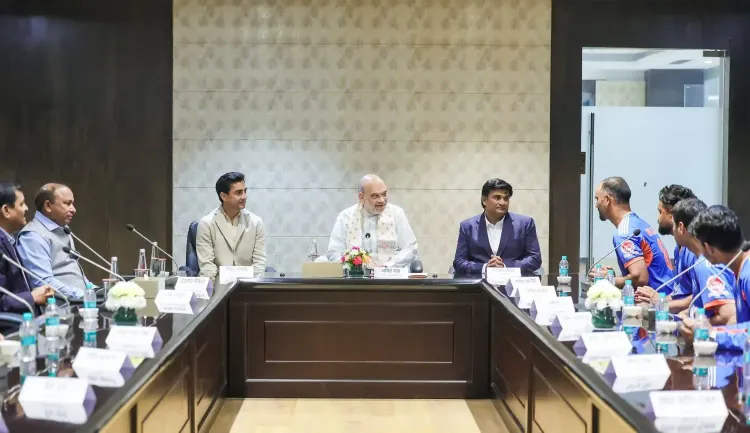
DCCI secretary Ravi Kant Chauhan and joint secretary Abhay Pratap Singh both welcomed the decision, expressing gratitude to the BCCI for recognising the importance of inclusive cricket.
'This gesture is a significant step towards making cricket more inclusive and providing our players with greater recognition and opportunities to showcase their talent. Such support strengthens our resolve to nurture emerging talent, promote equal opportunities in sports, and help our cricketers represent the nation with pride. We hope this association will pave the way for greater collaboration and a brighter future for differently-abled cricket in India,' said Ravi Kant Chauhan.
Abhay Pratap Singh added: 'The BCCI's communication to its member associations reflects a positive commitment to strengthening differently-abled cricket in India. We hope this initiative will inspire associations across the country to take concrete measures to support these cricketers and help them reach their full potential.'
Why This Matters
Differently-abled cricket has long operated at the margins of institutional support in India, with players often relying on private bodies like the DCCI for training access and competitive opportunities. The BCCI's formal involvement — even at the advisory level — signals a shift in how the country's most powerful cricket body views its responsibilities beyond the mainstream game. Notably, this is among the first instances of the BCCI explicitly directing its state units toward disability-inclusive cricket infrastructure.
What Happens Next
The DCCI has expressed hope that the directive will translate into measurable action at the state association level — including improved access to facilities, player development programmes, and wider competitive opportunities. The effectiveness of the initiative will ultimately depend on how actively state bodies respond to the BCCI's appeal, given that the communication is advisory rather than mandated policy. Sustained grassroots effort, according to the DCCI, is the key to building a lasting ecosystem for differently-abled cricketers in India.
Point of View
But signals alone have a poor track record in Indian sports governance. The communication is non-binding, and state bodies have historically varied widely in how they implement centrally encouraged welfare measures. The DCCI's cautious optimism — 'we hope this will translate into meaningful action' — reflects an awareness that the gap between institutional intent and ground-level delivery is where most inclusion efforts in Indian sport have stalled. For this to be more than a goodwill gesture, the BCCI will need to follow up with monitoring mechanisms, funding earmarks, or at minimum, a reporting framework from member associations.
NationPress
27 Oct 2026
Frequently Asked Questions
What has the BCCI announced for differently-abled cricketers?
The BCCI has directed all its member associations to take meaningful initiatives for the welfare, development, and advancement of differently-abled cricketers in India. The directive was issued by BCCI secretary Devajit Saikia on 26 October 2026, following discussions at the 95th BCCI Annual General Meeting in Mumbai on 18 September 2026.
What is the DCCI and how has it responded?
The Differently Abled Cricket Council of India (DCCI) is the apex body governing cricket for players with disabilities in India. DCCI secretary Ravi Kant Chauhan and joint secretary Abhay Pratap Singh both welcomed the BCCI's initiative, calling it a significant step toward inclusive cricket and expressing hope that it would inspire concrete action at the state level.
Is the BCCI's directive mandatory for state associations?
The communication is advisory in nature, requesting state associations to undertake appropriate measures rather than mandating specific actions or timelines. The DCCI has expressed hope that associations will respond with sustained, meaningful efforts rather than symbolic gestures.
Why is this initiative significant for Indian cricket?
Differently-abled cricket has historically received limited institutional support in India, with players largely dependent on the DCCI for competitive opportunities. The BCCI's formal involvement marks one of the first instances of India's most powerful cricket body explicitly directing its state units to build inclusive cricket infrastructure.
What does the DCCI hope will happen next?
The DCCI hopes the directive will lead to improved access to training facilities, structured player development programmes, and expanded competitive opportunities for differently-abled cricketers at the grassroots level across all states.