Could BCCI Contracts Indicate a Major Shift in Indian Cricket?
Synopsis
The latest BCCI contracts herald a significant transformation in Indian cricket, showcasing a new generation stepping into leadership roles. With veterans transitioning to support positions and emerging talents rising, the landscape of Indian cricket is evolving rapidly. How will this impact the future of the game?
Key Takeaways
Generational shift in Indian cricket's leadership.
Emerging talents like Shubman Gill are now in Grade A.
Veterans Kohli and Rohit transition to support roles .
Grade C highlights India's white-ball depth .
Women’s cricket is experiencing rapid expansion .
New Delhi, Feb 9 (NationPress) Indian cricket has just unveiled a preview of its future, featuring new names in prominent positions.
The Board of Control for Cricket in India's 2025–26 annual player contracts extend beyond mere retainers and grades. They signify a larger narrative: a generational transition is clearly underway.
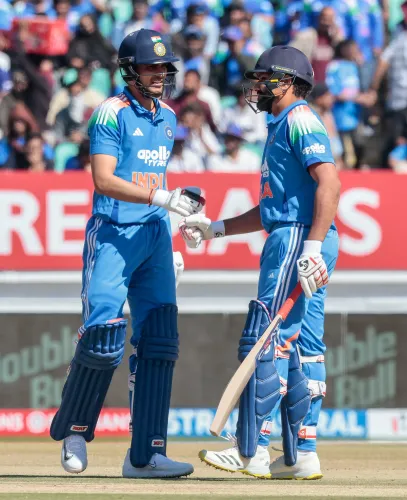
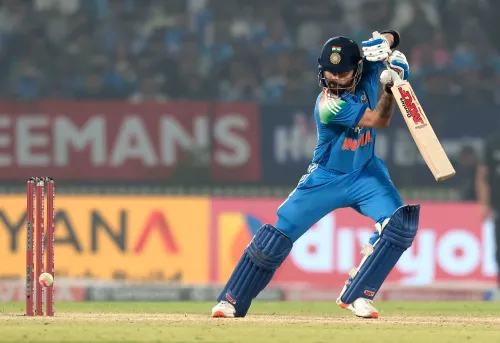
Historically, Indian cricket has been anchored by the dual forces of Virat Kohli and Rohit Sharma. Currently, while both are still centrally contracted, their shift to Grade B marks a transition from automatic leadership roles to positions of experienced support.
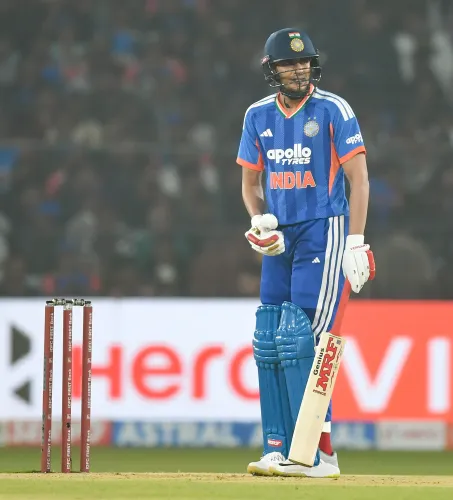
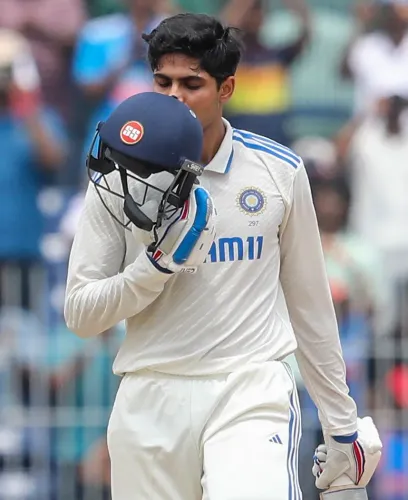
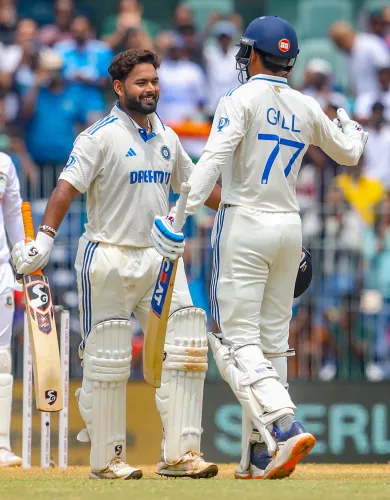
In Grade A, we now find: Shubman Gill – officially recognized as the face of India’s batting future; Jasprit Bumrah – the spearhead of the bowling attack and the only fast bowler in the elite tier; and Ravindra Jadeja – the consistently reliable all-rounder.
Gill's elevation is emblematic. The elegant opener has evolved from being merely “promising” to a “cornerstone,” and the board has confirmed this belief in writing.
Bumrah's position in the premier tier reaffirms that India's pace strategy hinges on his health and prowess. Jadeja continues to embody cricket's ultimate utility player, excelling with bat, ball, and in the field.
Being placed in Grade B does not diminish the significance of Kohli or Rohit; rather, it transforms it.
They now share this tier with vital multi-format players like: KL Rahul, Mohammed Siraj, Hardik Pandya, and Rishabh Pant.
This level now resembles an experienced engine room—players still capable of clinching victories but no longer viewed as the long-term blueprint.
Grade C boasts the longest list, which is exactly what the selectors aim for.
Names like Rinku Singh, Tilak Varma, Ruturaj Gaikwad, and Arshdeep Singh showcase India’s expanding depth in white-ball cricket, while emerging talents like Dhruv Jurel and Sai Sudharsan are being nurtured as future investments.
This is no longer merely a backup pool—it represents a parallel production line.
Women’s Contracts: Stability at the top, expansion below
In the women's segment, the leadership remains robust in Grade A: Harmanpreet Kaur, Smriti Mandhana, Jemimah Rodrigues, and Deepti Sharma.
However, what stands out is the growing middle tier. Players like Shafali Verma and Richa Ghosh exemplify India’s bold, fearless new batting approach, while numerous newcomers entering the contract list highlight the rapid widening of the women’s talent pool.
This is more about rapid expansion than mere transition.
This year’s contract list is not just administrative—it’s directional. India is planning beyond legends. Youth has shifted from “emerging” to “established.” Depth is now a strategy rather than a luxury.
The message from the BCCI is unmistakably clear: the next era of Indian cricket is not on the horizon.
It’s already here.
Point of View
It is essential to recognize that these changes in BCCI contracts are not merely administrative; they represent a pivotal moment in Indian cricket. The transition to a younger and more dynamic squad is a strategic move that could redefine the sport's future in India. We must remain committed to providing unbiased insights while celebrating the growth of our cricketing talent.
NationPress
19 Sept 2026
Frequently Asked Questions
What does the new BCCI contract signify?
The new BCCI contracts represent a significant generational shift in Indian cricket, indicating the rise of new talent and a transition for established players.
Who are the key players in Grade A?
Grade A includes Shubman Gill, Jasprit Bumrah, and Ravindra Jadeja, highlighting their importance in the future of Indian cricket.
How does this impact Kohli and Rohit?
Kohli and Rohit moving to Grade B signifies a shift from primary leadership to experienced support roles, reflecting their evolving contribution to the team.
What does the Grade C list indicate?
The Grade C list showcases India's growing depth in white-ball cricket, featuring young talents prepared to step up as future stars.
What about women's cricket contracts?
The women’s contracts show both a solid leadership core and a rapidly expanding pool of talent, indicating a strong future for women's cricket in India.