CAF reverses AFCON to two-year cycle; 2027 edition set for East Africa
Synopsis
CAF has scrapped its four-year AFCON cycle after just one year, restoring the biennial format by unanimous vote. The 2027 edition — hosted by Kenya, Tanzania and Uganda, the first three-nation co-host in AFCON history — returns the tournament to East Africa for the first time since 1976, with Bayern Munich and Ajax headlining the stadium inauguration in Nairobi.
Key Takeaways
CAF Executive Committee unanimously voted to restore the AFCON to a two-year cycle , reversing last year's four-year decision.
The 2027 AFCON will be co-hosted by Kenya , Tanzania , and Uganda — the first three-nation hosting in tournament history.
It will be AFCON's first return to East Africa since Ethiopia hosted in 1976 .
The tournament will feature 24 teams , running from 19 June to 17 July 2027 .
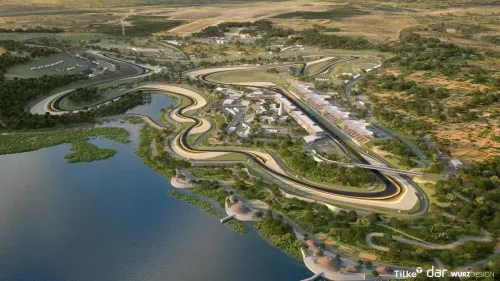
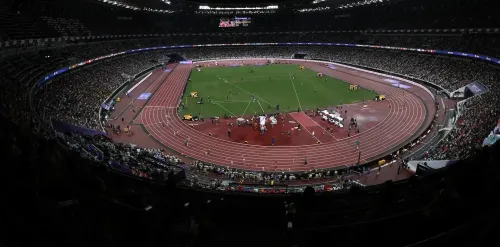
Kenya's 60,000-seat Raila Odinga International Stadium in Nairobi is set for inauguration on 5 January 2027 , with Bayern Munich and Ajax playing a pre-tournament friendly.
Future editions are slated for 2028 , 2031 , and 2033 , with 2030 skipped due to the FIFA World Cup .
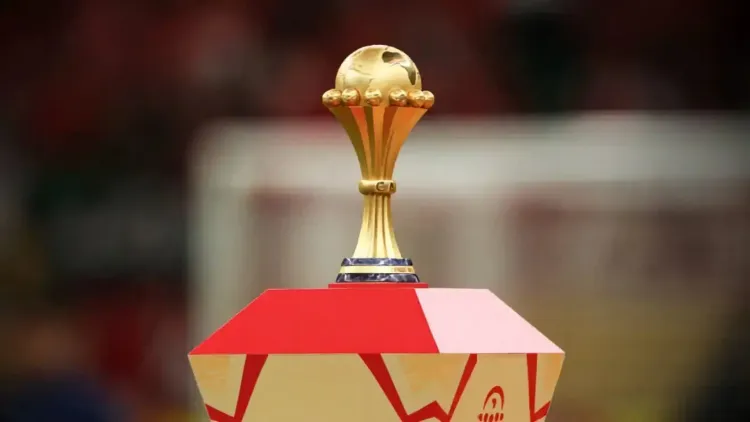
The Confederation of African Football (CAF) has unanimously decided to restore the Africa Cup of Nations (AFCON) to a two-year cycle, reversing a previous resolution that would have moved the continent's premier football tournament to a four-year schedule. The announcement was made on 30 October 2026 from October City, Egypt, marking a significant policy reversal for African football governance.
The Decision and What Drove It
The CAF Executive Committee voted unanimously to reinstate the biennial format. In an official statement, CAF said the move was aimed at 'advancing, protecting and promoting the interest of African Football and CAF's 54 member associations, as well as the interest of African players employed by football clubs outside Africa.'
CAF President Patrice Motsepe had earlier signalled the reconsideration at the CAF Strategy Conference held in Cabo Verde from 7 to 9 October, where he told delegates that last year's four-year cycle decision would be reassessed. The unanimous EXCO vote formalised that signal into binding policy.
2027 AFCON: A Historic East African Edition
The next AFCON will be held in 2027, co-hosted by Kenya, Tanzania, and Uganda — marking the first time three nations have jointly staged the tournament and the competition's first return to East Africa since Ethiopia hosted it in 1976. The expanded edition will feature 24 national teams, with the tournament scheduled to kick off on 19 June and culminate in a final on 17 July 2027.
Kenya will formally inaugurate the new 60,000-seat Raila Odinga International Stadium in Nairobi on 5 January 2027. As part of the pre-tournament build-up, Bayern Munich and Ajax are reportedly set to play a high-profile friendly at the venue ahead of the competition.
Future AFCON Schedule and World Cup Caveat
Following the 2027 edition, subsequent AFCONs are provisionally scheduled for 2028, 2031, and 2033. Notably, the gap between 2028 and 2031 reflects a World Cup year exception: CAF confirmed that, in line with FIFA tradition, the AFCON and other confederation national team competitions will not be held in a FIFA World Cup year — with the next World Cup scheduled for 2030.
Context and Significance
The reversal ends a short-lived experiment that had drawn criticism from player unions and African football stakeholders, who argued a four-year gap would reduce the tournament's commercial value and limit opportunities for African players to represent their nations on the continental stage. The biennial format has historically been a point of tension with European club football, which loses players for several weeks every two years. However, CAF's decision signals that the interests of African nations and players have taken precedence in this instance. This is not the first time AFCON's scheduling has been debated — the tournament was itself moved from January to June–July in recent editions to reduce mid-season disruption to European clubs, a compromise that now coexists with the restored two-year cycle.
Point of View
Swift self-correction in continental sports governance — and a telling one. The four-year experiment lasted barely a year before unanimous pressure from member associations and player welfare concerns forced a reversal, suggesting the original decision lacked adequate consultation. The deeper tension, however, remains unresolved: a biennial AFCON still pulls Africa's best players out of European club football for weeks every other year, and European clubs will keep lobbying against it. The 2027 East African edition, the first in nearly five decades, also places enormous infrastructure and logistical demands on three developing football markets simultaneously. How Kenya, Tanzania and Uganda manage that challenge will set the template for multi-nation AFCON hosting for years to come.
NationPress
30 Oct 2026
Frequently Asked Questions
Why did CAF reverse the AFCON four-year cycle decision?
CAF's Executive Committee unanimously decided to restore the biennial format to protect and advance the interests of African football, its 54 member associations, and African players based at clubs outside Africa. CAF President Patrice Motsepe had flagged the reconsideration at the CAF Strategy Conference in Cabo Verde in early October 2026.
When and where will AFCON 2027 take place?
AFCON 2027 will be co-hosted by Kenya, Tanzania, and Uganda, running from 19 June to 17 July 2027. It will be the first AFCON jointly hosted by three nations and the tournament's first return to East Africa since Ethiopia hosted in 1976.
What is the Raila Odinga International Stadium and when does it open?
The Raila Odinga International Stadium is a new 60,000-seat venue in Nairobi, Kenya, set to be officially inaugurated on 5 January 2027. Bayern Munich and Ajax are reportedly scheduled to play a high-profile friendly there ahead of AFCON 2027.
When are the next AFCON editions after 2027 scheduled?
After the 2027 tournament, subsequent AFCONs are provisionally set for 2028, 2031, and 2033. The gap between 2028 and 2031 accounts for the 2030 FIFA World Cup year, during which CAF has confirmed the AFCON will not be held, in line with FIFA tradition.
How many teams will participate in AFCON 2027?
AFCON 2027 will feature 24 national teams competing for the continental title, making it one of the largest editions of the tournament.