Cricket Scotland limits Afghanistan ties to ICC events over Taliban women's ban
Synopsis
Cricket Scotland has formally cut bilateral and tri-series ties with Afghanistan, citing the Taliban's treatment of women and girls — joining Cricket Australia and the ECB in a growing boycott. The only remaining contact will be ICC-mandated fixtures, which the board insists carry no endorsement of the Afghan regime. The question now is how long the ICC can hold the line on Afghanistan's full membership.
Key Takeaways
Cricket Scotland will not schedule bilateral or tri-series matches against Afghanistan Men , effective from its 10 November 2026 statement.
Engagement is limited strictly to ICC competition fixtures , with participation carrying no endorsement of the Taliban government .
Pre-tour training camps, practice matches, and warm-up fixtures involving Afghanistan men outside ICC events are also banned.
George Munsey is the only Scottish player in the APL draft ; an NOC will be issued only if the league receives ICC sanction .
The policy will be reviewed annually or after any significant ICC decision or material change in circumstances.
The decision aligns Cricket Scotland with Cricket Australia and the ECB , which have already suspended bilateral ties with Afghanistan.
Cricket Scotland has formally announced that its men's team will only face Afghanistan in fixtures governed by ICC competition regulations, ruling out bilateral series and tri-series engagements citing the Taliban government's treatment of women and girls. The decision, confirmed in an official statement on 10 November 2026 from Edinburgh, marks a significant policy shift by the Scottish board and brings it into alignment with stances already taken by Cricket Australia and the England and Wales Cricket Board (ECB).
What Cricket Scotland Has Decided
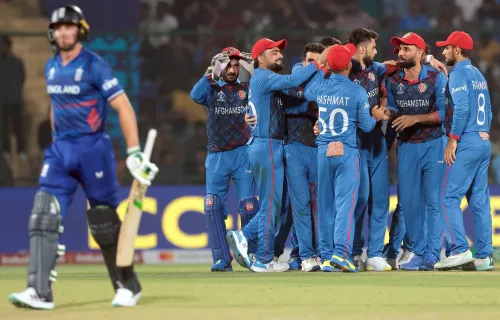
The board confirmed it will not proactively schedule bilateral series or participate in tri-series involving Afghanistan Men. It will also refrain from hosting or participating in pre-tour training camps, practice matches, or warm-up fixtures involving Afghanistan men outside of ICC events. The only exception is ICC-mandated fixtures, which Cricket Scotland says it will continue to participate in as required by tournament regulations.
Cricket Scotland was explicit that participation in those ICC fixtures 'should not be interpreted as an endorsement of the current Afghan regime or its policies.'
The ACB Approach That Prompted the Review
The policy announcement follows an approach made by the Afghanistan Cricket Board (ACB) in July, when it requested training facilities in Scotland ahead of a fixture against Ireland. The ACB also reached out regarding the Afghanistan Premier League (APL). Cricket Scotland declined the training camp request, citing 'operational restrictions' and the need to formally assess its position before responding.
The board's executive subsequently conducted what it described as 'detailed analysis' covering several factors: the humanitarian situation in Afghanistan, the Taliban administration's restrictions on women and girls, Cricket Scotland's own strategic commitment to growing women's cricket, consultations with government, and the positions of other major cricket governing bodies.
Player NOC and the Afghanistan Premier League
The statement also addressed the participation of Scottish players in the APL. George Munsey was the only Scottish cricketer selected in last week's APL draft. Cricket Scotland indicated it would issue him a No Objection Certificate (NOC) pending the league receiving an ICC sanction.
The board was careful to add that any such NOC and the resulting participation 'must not be interpreted as an endorsement by Cricket Scotland of the current Afghan regime or its policies.' This carve-out seeks to protect players' contractual rights while maintaining the board's principled stance on the wider issue.
When the Policy Will Be Revisited
Cricket Scotland stated the policy will be reviewed annually, or earlier if there is a 'significant ICC decision or material change in circumstances.' The suspension of bilateral ties will remain in place 'unless there is a material change in the circumstances surrounding Afghanistan women's cricket and wider human rights considerations.'
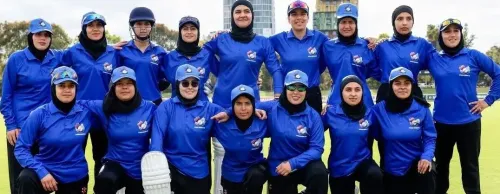
Notably, this positions Cricket Scotland alongside two of cricket's most prominent governing bodies. Cricket Australia and the ECB have both previously suspended bilateral engagements with Afghanistan on similar grounds, reflecting a growing consensus among cricket boards that the near-total exclusion of Afghan women from the sport is incompatible with the values major cricketing nations espouse. The ICC itself has so far stopped short of suspending Afghanistan's membership, drawing continued pressure from multiple member boards.
How the ICC responds in future tournament cycles — particularly regarding full-member obligations to field teams against Afghanistan — will shape how Cricket Scotland and other boards navigate their conditional participation going forward.
Point of View
Yet has not moved to suspend or sanction the Afghan board. That passivity grows harder to defend with each new national board that formalises a boycott. The real policy question is whether the ICC will continue to mandate that dissenting boards face Afghanistan in its own tournaments, effectively forcing contact that those boards publicly describe as not an endorsement — a legal fiction that is becoming structurally awkward for everyone involved.
NationPress
10 Nov 2026
Frequently Asked Questions
Why has Cricket Scotland stopped playing bilateral matches against Afghanistan?
Cricket Scotland has suspended bilateral and tri-series fixtures with Afghanistan citing the Taliban government's treatment of women and girls, which it says conflicts with its own commitment to growing women's cricket and equality. The policy will remain until there is a material change in Afghanistan women's cricket and broader human rights conditions.
Will Cricket Scotland ever face Afghanistan in any cricket match?
Yes — Cricket Scotland will continue to play Afghanistan in fixtures governed by ICC competition regulations, such as ICC World Cup qualifiers or tournaments. However, the board stressed that such participation does not constitute an endorsement of the Taliban regime or its policies.
What is the status of George Munsey's Afghanistan Premier League participation?
George Munsey was the only Scottish cricketer selected in the APL draft. Cricket Scotland has said it will issue him a No Objection Certificate, but only if the APL receives an official ICC sanction. His participation, if it occurs, would not represent an endorsement of the Afghan government by Cricket Scotland.
How does Cricket Scotland's decision compare to other cricket boards?
Cricket Scotland's stance aligns with both Cricket Australia and the England and Wales Cricket Board, which have previously suspended bilateral ties with Afghanistan on similar grounds relating to the Taliban's ban on women's cricket. The ICC has not yet taken equivalent action against Afghanistan's membership.
When will Cricket Scotland review this Afghanistan policy?
Cricket Scotland will review the policy annually or following any significant ICC decision or a material change in circumstances surrounding Afghanistan women's cricket and wider human rights considerations.