ICC backs Afghan refugee women cricketers, sets 2030 qualification roadmap
Synopsis
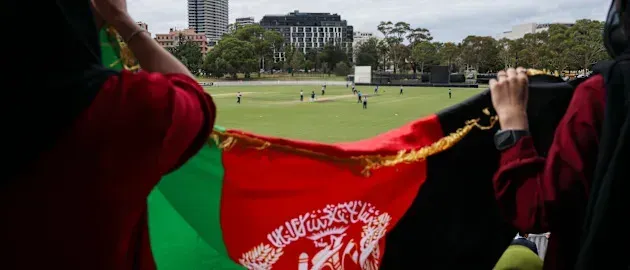
The ICC has moved beyond symbolic support for Afghan refugee women cricketers — endorsing a structured Development Pathway Programme and setting a concrete 2030 deadline for ICC qualification eligibility. With a reconstituted Task Force now including independent and chief-executive-level voices, the governing body is framing this as a long-term governance commitment, not a one-off humanitarian gesture.
Key Takeaways
The ICC Board endorsed the continuation of the Development Pathway Programme for Afghan refugee women cricketers at its Annual Conference in Edinburgh on 13 July .
The Special Task Force has been reconstituted and tasked with developing a roadmap for the players to enter ICC qualification pathways by 2030 .
New Task Force members include Dr.
Ros Rivaz (ICC Independent Director) and Sarah Keane (ICC Chief Executives' Committee), joining existing members from BCCI , Cricket Australia , and ECB .
Players based in Australia , England , and Canada will be integrated into local cricket environments, with game time increasing in a phased manner.
Collective touring opportunities — similar to tours to India and England in the past year — will continue and be scaled up strategically.
The governing board of the International Cricket Council (ICC) has endorsed the continuation of the Development Pathway Programme for Afghan refugee women cricketers and reconstituted its Special Task Force, assigning it the mandate to chart a roadmap for the players to enter ICC qualification pathways by 2030. The decision was taken at the ICC Annual Conference in Edinburgh and announced on 13 July.
Key Developments from the ICC Board
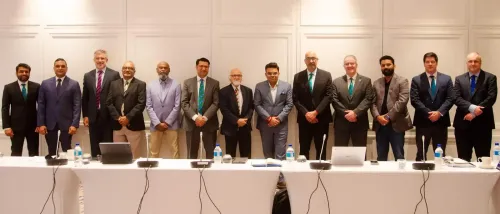
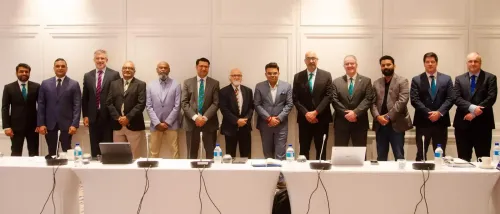
The ICC Board approved the appointment of two new members to the Special Task Force: Dr. Ros Rivaz, ICC Independent Director, and Sarah Keane, ICC Chief Executives' Committee member. They join existing Task Force representatives from the Board of Control for Cricket in India (BCCI), Cricket Australia, and the England & Wales Cricket Board (ECB). The expanded body will oversee the programme with a focus on balancing exposure, representation, and competitive standards for the players.
What the Programme Involves
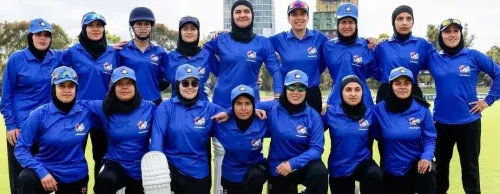
The programme provides Afghan refugee women cricketers with continued access to cricket and strength-and-conditioning coaches, as well as physiotherapy support in their home locations. Players currently based in Australia, England, and Canada will continue to be integrated into local cricket environments. Game time will be increased in a phased manner, with collective training and touring opportunities — similar to tours facilitated to India and England over the past year — planned against opposition strategically chosen to accelerate development toward ICC qualification events.
What the Task Force Members Said
Dr. Ros Rivaz said: 'I am honoured to join the ICC Special Task Force and contribute to this important initiative. The Task Force has been entrusted with developing a clear and sustainable roadmap that supports the continued development of Afghan refugee women cricketers through structured coaching, meaningful competitive opportunities, and appropriate high-performance pathways. This programme reflects the ICC's commitment to fostering opportunity through cricket, and I look forward to working alongside my fellow Task Force members and delivery partners to ensure it is delivered with purpose, integrity, and long-term sustainability.'
Mel Jones, former Australia international and co-founder of It's Game On, said: 'The continued support for these remarkable women, alongside a clear roadmap towards ICC qualification pathways by 2030, represents an important commitment to their future. It sends a powerful message that talent and determination deserve opportunity.'
Voices from the Players
Nahida Sapan, one of the Afghan refugee women cricketers in the programme, said: 'This programme has already made a real difference to us, not only by helping us continue playing cricket, but by enabling us to come together and play as a team. We appreciate the recognition that we have the same rights and opportunities as players of other countries.'
Firooza Afghan, another participant, said: 'Over the past year, the opportunities to come together as a group and tour India and England have provided us with some of the most memorable experiences in our lives. A long-term view of participation in ICC qualification pathways gives us a clear goal to work towards, and we are determined to make the most of every opportunity along that journey.'
Significance and What Comes Next
The initiative comes amid the broader exclusion of Afghan women from organised sport under the Taliban administration, which seized control of Afghanistan in 2021. The ICC's structured, long-term commitment — with a concrete 2030 target — marks a step beyond humanitarian gesture toward genuine sporting integration. The phased increase in competitive exposure, combined with the reconstituted Task Force, signals that the ICC intends to treat this as a governance priority rather than a peripheral programme. How quickly the players can bridge the competitive gap with established ICC member nations will be the defining test of the roadmap's ambition.
Point of View
Chief executives, and three major boards, which broadens accountability; the risk is that a larger committee also diffuses it. The deeper question is competitive: Afghan refugee players have had limited high-performance exposure, and the gap between development tours and ICC qualification-standard cricket is substantial. The roadmap's credibility will hinge on the quality and frequency of opposition the players face between now and 2030, not just the institutional architecture around them.
NationPress
12 Oct 2026
Frequently Asked Questions
What is the ICC Development Pathway Programme for Afghan refugee women cricketers?
It is an ICC-backed initiative that provides Afghan refugee women cricketers with structured coaching, physiotherapy, competitive opportunities, and collective touring experiences. The programme was endorsed for continuation at the ICC Annual Conference in Edinburgh on 13 July, with a new mandate to develop a roadmap for ICC qualification pathway participation by 2030.
What is the ICC Special Task Force for Afghan women cricketers?
The Special Task Force is a reconstituted ICC body now comprising Dr. Ros Rivaz, Sarah Keane, and representatives from BCCI, Cricket Australia, and ECB. It is responsible for developing a clear, sustainable roadmap to support Afghan refugee women cricketers in reaching ICC qualification pathways by 2030.
Where are the Afghan refugee women cricketers currently based?
Players are currently based in Australia, England, and Canada, where they are integrated into local cricket environments for training and playing opportunities. They also receive coaching and physiotherapy support in their home locations.
Why does this programme matter for Afghan women in cricket?
Afghan women have been effectively excluded from organised sport under the Taliban administration that took control of Afghanistan in 2021. The ICC programme offers a structured alternative pathway, allowing these cricketers to continue playing, develop competitively, and work toward formal ICC qualification — providing both sporting opportunity and international representation.
What competitive opportunities are planned under the programme?
The programme plans a phased increase in game time, including collective training camps and tours against strategically selected opposition to build competitive readiness. Tours to India and England have already taken place over the past year, and similar opportunities will be scaled up as the players progress toward the 2030 qualification target.